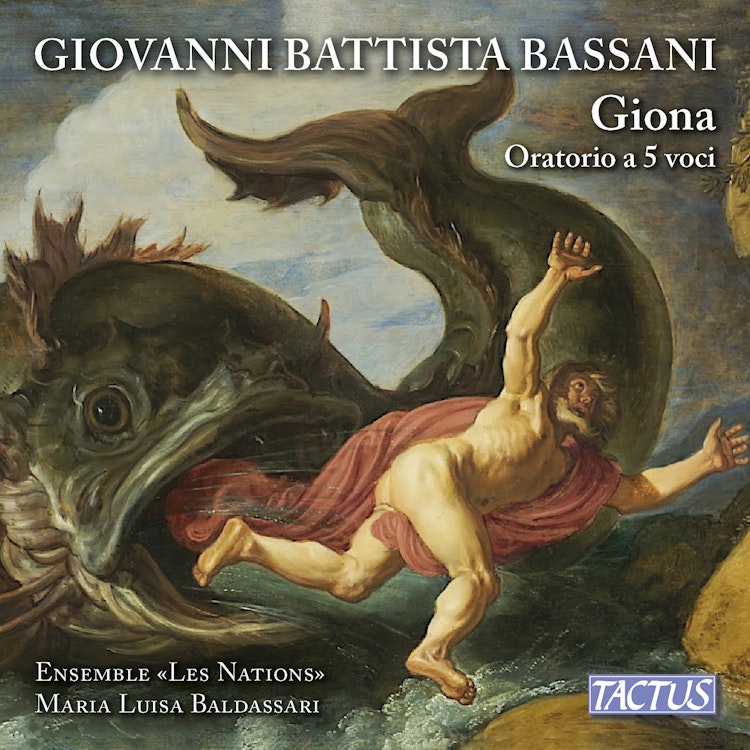
The oratorios performed in Modena in 1689, including Giona, subtly reflected the political events of the 'Glorious Revolution' in England, which led to the exile of Francesco II d'Este's sister, Maria Beatrice d'Este, and her husband, James II Stuart.
Interpretation
The role of Giona in the oratorio features simple writing and a linear cantabile quality, contrasting with the more virtuosic parts for other characters.
Composer Biography
Giovanni Battista Bassani, born around 1650 in Padua, spent most of his career in Ferrara as an organist and maestro di cappella before moving to Bergamo in 1712.
Historical Context
The 1689 Lenten season at the court of Francesco II d'Este, Duke of Modena and Reggio, was the richest in oratorio performances during his rule, featuring thirteen works.
Composition History
Bassani's Giona marked his debut as an oratorio composer at the court of Francesco II d'Este, Duke of Modena and Reggio.
Composition History
Giovanni Battista Bassani's oratorio Giona was one of two different oratorios with the same title performed in Modena in 1689, both based on the biblical Book of Jonah.
Compositional Technique
The oratorio Giona features a substantial instrumental accompaniment, with most pieces including a five-part ensemble of two violins, two violas, and basso continuo.
You might also enjoy...
Händel: Belshazzar (Opera)
Handel: Israel in Egypt, HWV 54
Handel: Messiah
Messiah, HWV 56 (Highlights)
Handel: Messiah
Haydn: The Creation
Messiah
Handel: Samson
Reader's Digest Music: Handel's Messiah
Marc Antonio Ziani: La morte vinta (Sepolcro, Wien, 1706)