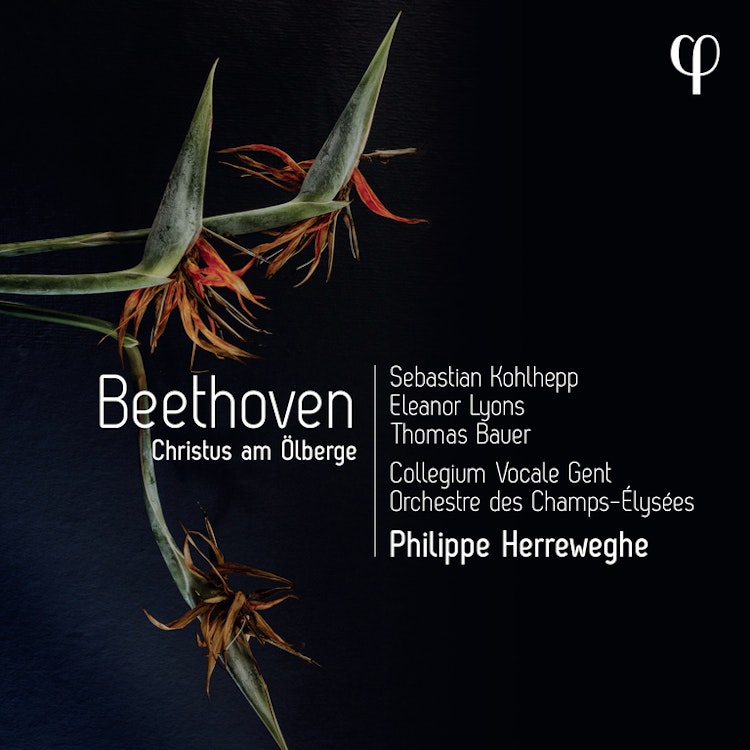
Contemporary critics criticized the oratorio for its 'operatic character' and for not appealing to religious sentiments, yet it was frequently performed during Beethoven's lifetime and decades later.
Composer's Artistic Vision
The dramatic characterization of Christ in the oratorio may reflect Beethoven's personal crisis of 1801/02, triggered by his hearing loss, as expressed in the Heiligenstadt Testament.
Composition History
Christus am Ölberge was Beethoven's first composition on a religious subject and his first multi-movement vocal work since his two 'imperial cantatas' of 1790.
Composer's Artistic Vision
The portrayal of Christ in the oratorio, with heroic and suffering characteristics, is seen as a precursor to Florestan in Beethoven's opera Fidelio.
Composition History
Beethoven composed his oratorio Christus am Ölberge (Christ on the Mount of Olives) in just 'a fortnight, amid all sorts of tumult and other unpleasant and alarming events in my life'.
Notable Performances
Christus am Ölberge premiered at a benefit concert for Beethoven at the Theater an der Wien on April 5, 1803, marking his debut as a vocal composer in Vienna.
Cultural Impact
The oratorio was popular outside German-speaking regions, with translations into English and Italian, and was performed in London in 1814 as The Mount of Olives and adapted in 1842 as Engedi, or, David in the Wilderness.
You might also enjoy...
Haydn: Die Schöpfung/The Creation
De Fesch: Joseph
Händel/Mozart: Der Messias
Handel: Israel in Egypt, HWV 54 (Arr. F. Mendelssohn)