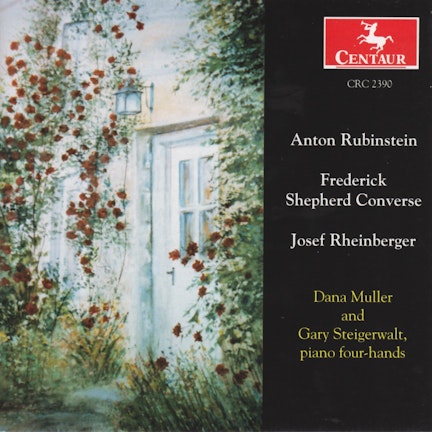
Keyboard duets, or four-hand playing, became a fashionable social activity in the 19th century, especially in prosperous homes, as the piano became the preeminent instrument.
Cultural Impact
Piano transcriptions were crucial for the newly literate musical public to experience and play prominent new works, often being the only way to hear a composition without professional orchestras.
Composition History
Beethoven's works, including his complete symphonies, string quartets, chamber works, and the opera Fidelio, were widely available in four-hand piano arrangements due to high demand.
Composer's Artistic Vision
Leon Fleisher, a renowned pianist and teacher, encouraged his students to study Beethoven's string quartets in four-hand format to discover aspects of Beethoven beyond his 32 iconic piano sonatas.
Interpretation
Hugo Ulrich, a prolific transcriber, thinned out dense textures in his Beethoven String Quartet transcriptions to achieve keyboard transparency while preserving Beethoven's original intentions.
Compositional Technique
Nineteenth-century transcribers adapted a vast range of music for piano four-hands, including symphonies, string quartets, opera overtures, and even a cappella choruses.
Composer Biography
Publishing companies employed 'in-house' transcribers like Hugo Ulrich, who was one of the most notable and prolific, to meet the demand for duet arrangements.
You might also enjoy...
Korusa Plays Beethoven: The Complete Piano Duets
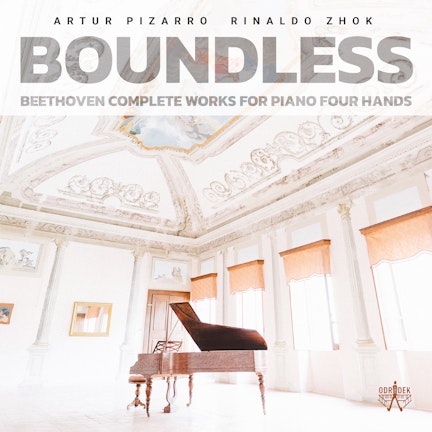
Boundless: Beethoven Complete Works for Piano Four Hands
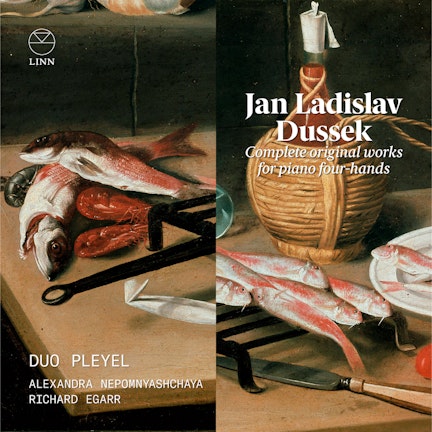
Dussek: Complete Original Works for Piano Four-Hands
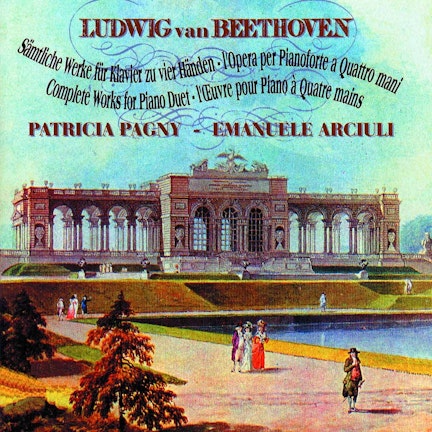
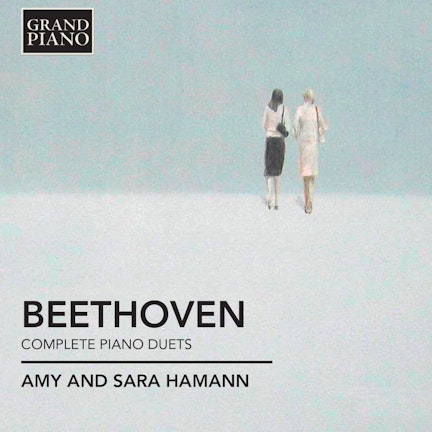
Beethoven: Complete Works for Piano Duet
Beethoven and His Teachers
Ludwig van Beethoven: Works for Piano Duet
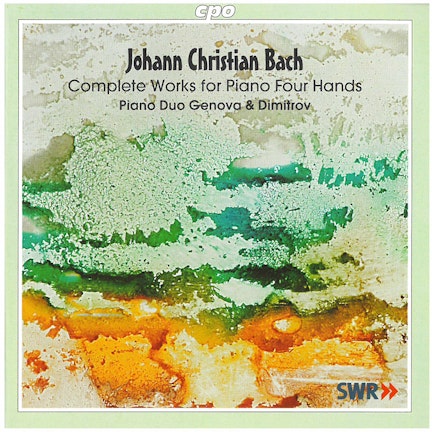
J.C. Bach: Complete Works for Piano 4 Hands
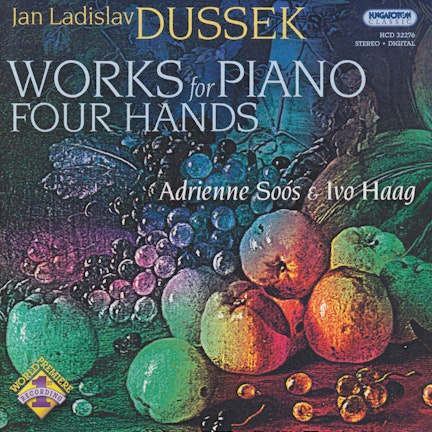
Dussek, J.L.: Works for Piano 4 Hands
Beethoven: Complete Works for 4-Hand Piano
Originals and Beyond
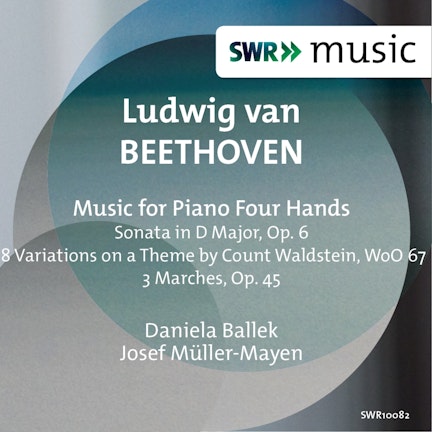
Beethoven: Music for Piano Four Hands
Rubinstein, A.: Sonata for Piano 4 Hands in D Major / Converse, F.S.: Valzer Poetici