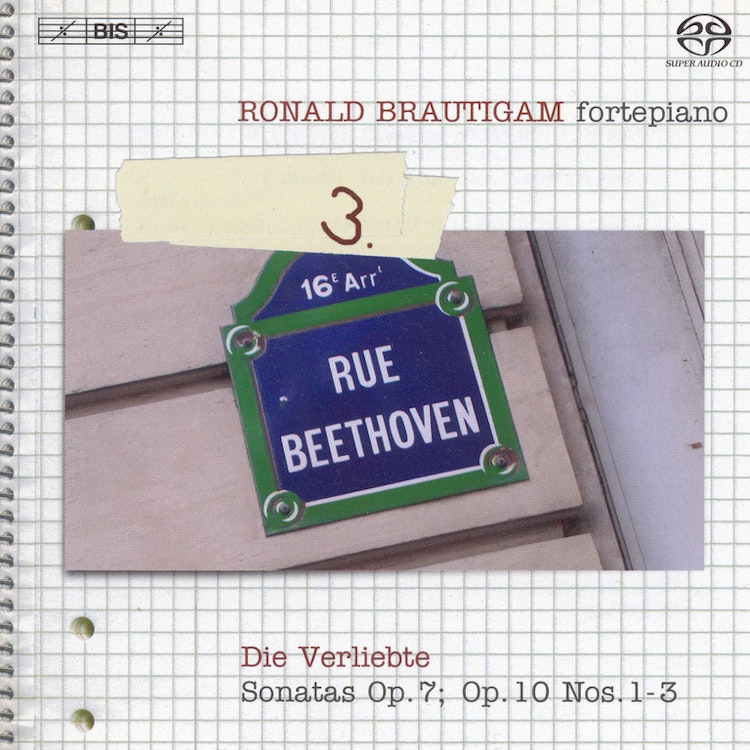
Beethoven, L. Van: Piano Works (Complete), Vol. 3 - Sonatas Nos. 4-7
7/1/2006, 14 Tracks, 1:21:36
Featuring
Ronald Brautigam
Ludwig van Beethoven
Did you know?
1/7
Composition History
Beethoven's Sonata No. 4 in E flat major, Op. 7, was the first of his sonatas to be published on its own, not as part of a collection.
Compositional Technique
Beethoven's sketchbooks reveal that he often wrote down improvisations and ideas, with themes intended for one work sometimes appearing in another, such as a theme for Op. 7 ending up in Op. 10 No. 3.
Instruments
Ronald Brautigam performs on a fortepiano made by Paul McNulty in 2001, which is modeled after an instrument by Walter & Sohn from around 1802.
Composer Biography
Beethoven, who settled in Vienna in 1792, was a successful networker among the Viennese aristocracy, who loved music and often had private orchestras.
Composer's Artistic Vision
Beethoven's Op. 7 sonata is considered his first Romantic work because of its focus on emotional effect and the psychological manipulation of listeners through musical means.
Performer Biography
Ronald Brautigam, one of Holland's leading musicians, is known for his virtuosity, musicality, and eclectic interests, having studied with Jan Wijn, John Bingham, and Rudolf Serkin.
Composer Biography
Countess Anna Margarete von Browne, to whom the Op. 10 sonatas are dedicated, was the wife of one of Beethoven's early patrons who once gifted him a horse that his friends had to rescue from starvation.
You might also enjoy...
Beethoven, L. Van: Piano Works (Complete), Vol. 2 - Sonatas Nos. 1-3, 19, 20
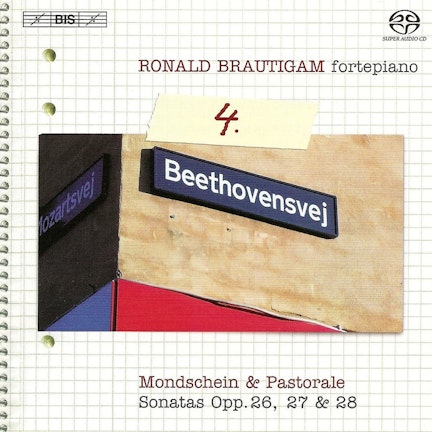
Beethoven, L. Van: Piano Works (Complete), Vol. 4 - Sonatas Nos. 12-15
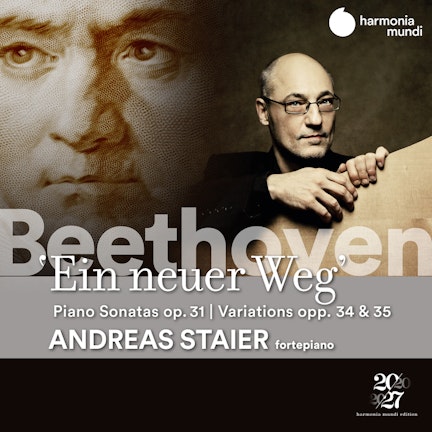
Beethoven: Ein neuer Weg
Beethoven: Kurfürsten Sonatas
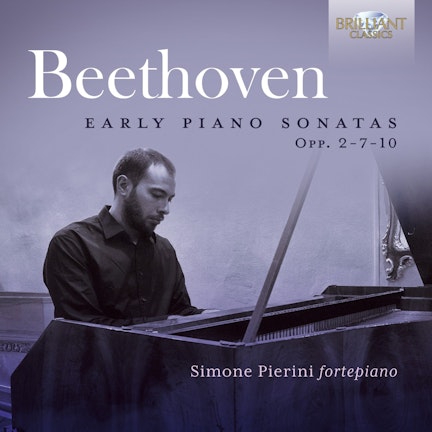
Beethoven: Early Piano Sonatas Opp. 2-7-10
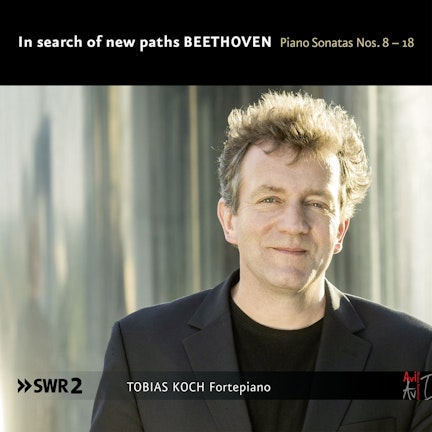
Beethoven: Piano Sonatas Nos. 8-18 "On search of new paths"
Beethoven: Piano Sonatas Nos. 8-18 "On search of new paths"