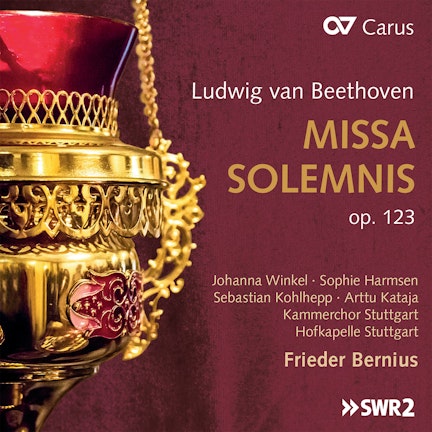
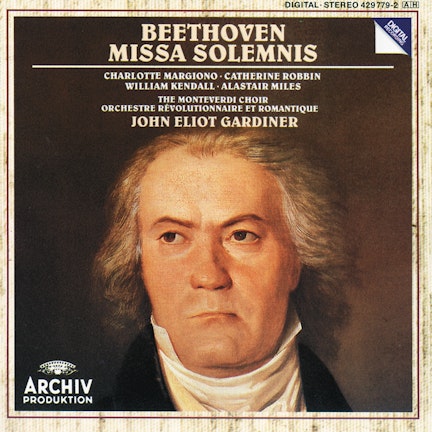
The Missa Solemnis features a deliberate archaism, incorporating old forms and formulas like the Palestrina style in the 'Kyrie' and powerful Baroque fugal architectures in the 'Gloria' and 'Credo'.
Composer's Artistic Vision
Beethoven considered the Missa Solemnis his greatest work, stating, "As hard as it is for me to talk about myself, I still consider it my greatest work."
Compositional Technique
Beethoven used musical symbolism extensively in the Missa Solemnis; for example, in the 'Kyrie', entries are on the third beat, symbolizing the Holy Trinity.
Recording & Production
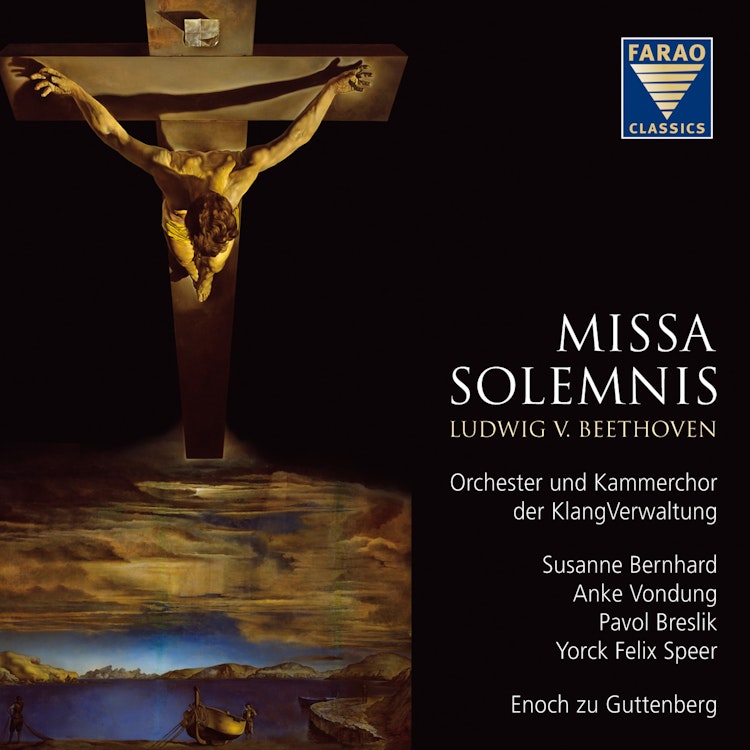
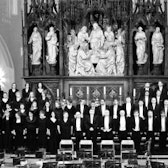
The KlangVerwaltung, the orchestra on this recording, was founded in 1997 by violinists Andreas Reiner and Josef Kröner to realize the musical concepts of conductor Enoch zu Guttenberg.
Instruments
The KlangVerwaltung orchestra members play exceptional instruments by famous masters such as Stradivari, Guarneri, Bergonzi, Guadagnini, and Gofriller.
Compositional Technique
In the 'Agnus Dei', Beethoven abruptly introduces war drums and trumpets during a 'plea for inner and outer peace', suggesting the intrusion of a godless outside world into the sacred space.
Composition History
Beethoven initially intended to compose the Missa Solemnis for Archduke Rudolph of Habsburg's installation as Archbishop of Olmütz in March 1820, but he couldn't finish it in time.
You might also enjoy...
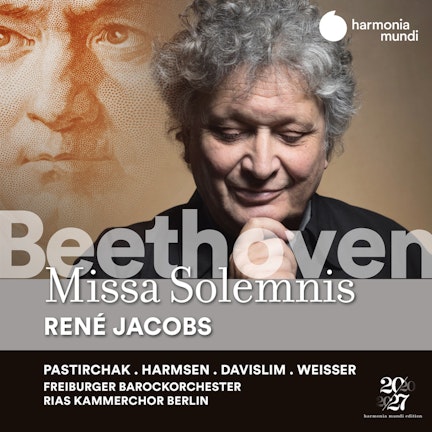
Beethoven: Missa solemnis, Op. 123
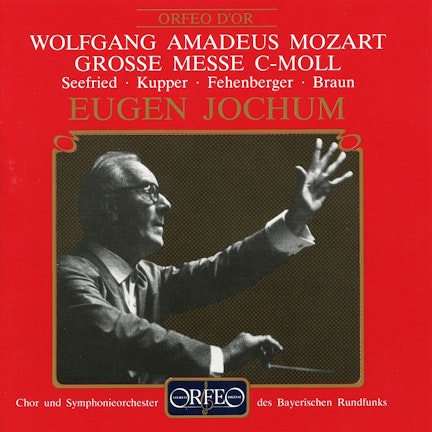
Mozart: Mass in C Minor, K. 427 "Great"
Cherubini: Messa Solenne
Mozart: Mass in C Minor, K. 427 "Great" (Reconstr. H. Eder) [Live]
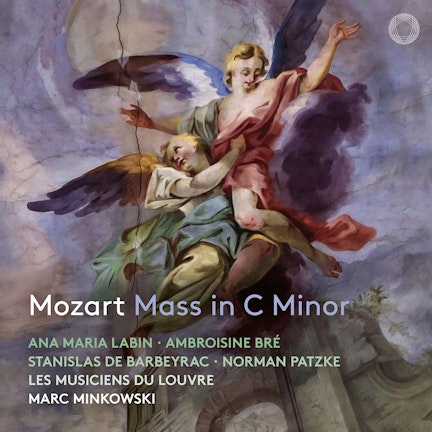
Mozart: Mass in C minor
Mozart: Mass in C Minor, K. 427 "Great" (Reconstr. C. Kemme)