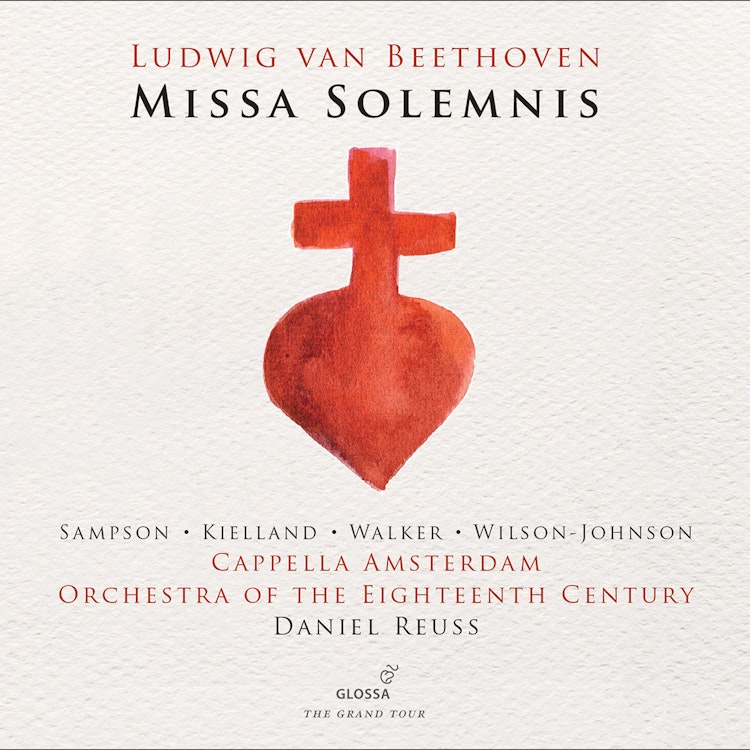
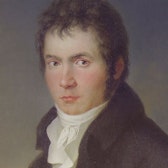
Beethoven's image of God was not based solely on traditional Christian teaching but drew from diverse influences, including Classical antiquity and oriental religions.
Composer's Artistic Vision
Beethoven's ambition was to write "authentic church music," leading him to study Gregorian chant and Handel's choral works, whose influence is heard in the Missa Solemnis.
Composer's Artistic Vision
Beethoven intended the Missa Solemnis to be a highly personal gift to humanity, not merely a conventional exercise in devotion, and wrote "From the heart, may it return to the heart" above its first section.
Composition History
Beethoven worked on his Missa Solemnis for nearly five years, from 1818 to 1823, including extensive revisions, making it the composition that demanded more of his time than any other.
Historical Context
In 1824 Vienna, religious music was not officially allowed in concert halls, so fragments of the Missa Solemnis were preventatively titled "hymns" to avoid censorship and confusion.
Composition History
The Missa Solemnis was originally intended for the 1820 ordination of Beethoven's former student and friend, Archduke Rudolph, as archbishop of Olmütz, but it expanded beyond this purpose.
Recording & Production
This recording of Beethoven's Missa Solemnis was made in October 2016 in Utrecht, the Netherlands, at Tivoli/Vredenburg.
You might also enjoy...
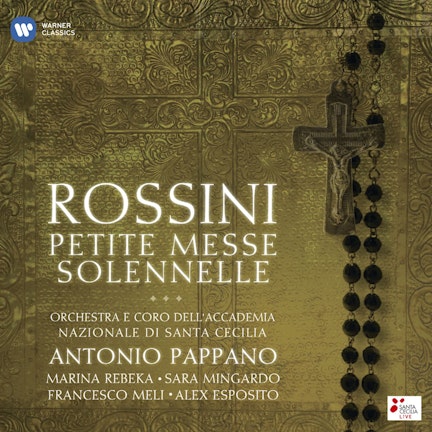
Rossini : Petite messe solennelle
Rossini: Petite messe solennelle
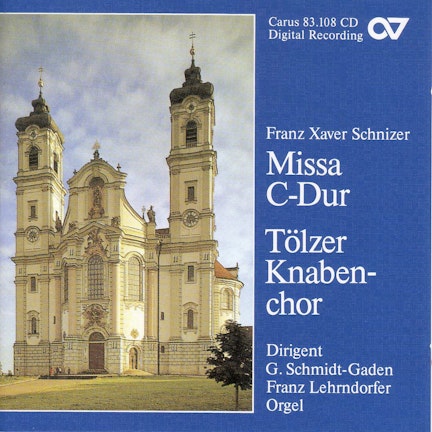
Schnizer: Missa in C Major
Lux Stellarum
Rossini: Petite Messe Solennelle
Gioacchino Rossini: Petite messe solennelle
Donizetti: Messa da Requiem
Schnizer: Mass in C Major
Gregory W. Brown: Missa Charles Darwin (As Featured in the Novel "Origin" by Dan Brown)