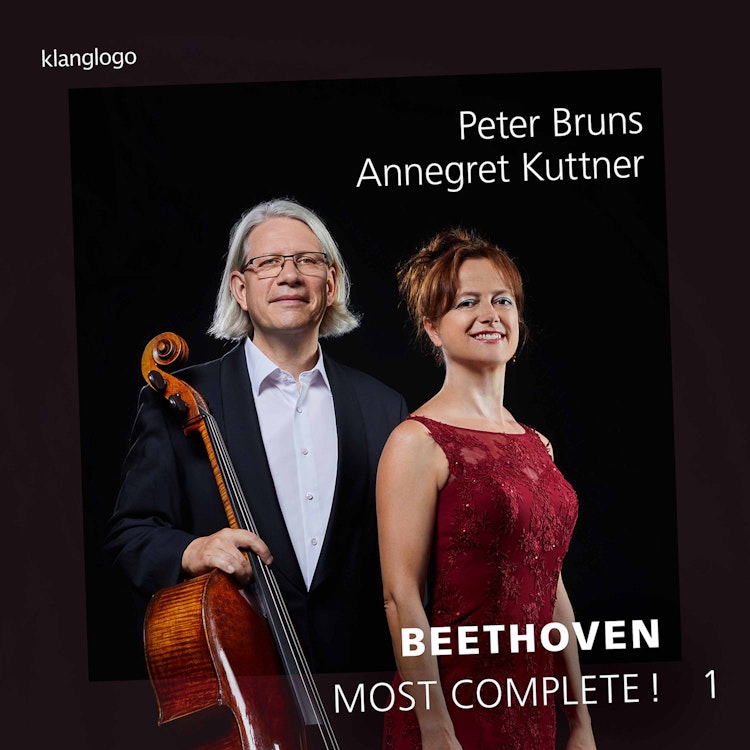
The album features an arrangement of Beethoven's String Trio in E-flat major, Op. 3, for cello and piano, which was rediscovered by cellist Dimitry Markevitch.
Album & Artwork
This album is part of a three-part series titled 'Beethoven – Most Complete', which aims to present a comprehensive collection of Beethoven's works for cello and piano.
Composition History
The album includes lesser-known works for cello and piano, such as the Horn Sonata, Op. 17, for which Beethoven himself provided a cello part in its initial publication.
Composer's Artistic Vision
Beethoven was the first composer to give the cello an independent, written voice in sonatas, dedicating himself to the cello and piano combination throughout his career.
Instruments
Peter Bruns, the cellist on this recording, plays an instrument made by Carlo Tononi in Venice in 1730, which previously belonged to the legendary cellist Pablo Casals.
Historical Context
The emancipation of the cello as a solo instrument, moving beyond its basso continuo function, can be largely attributed to Beethoven's innovative approach.
Composition History
Carl Czerny, Beethoven's former student and piano teacher, transcribed the famous 'Kreutzer' Violin Sonata, Op. 49, for cello, taking into account the cello's capabilities as a bass instrument.
You might also enjoy...
Beethoven: Cello Sonatas & Variations
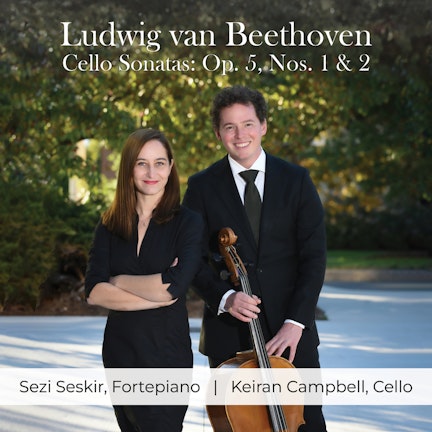
Beethoven: Cello Sonatas, Op. 5, Nos. 1 & 2
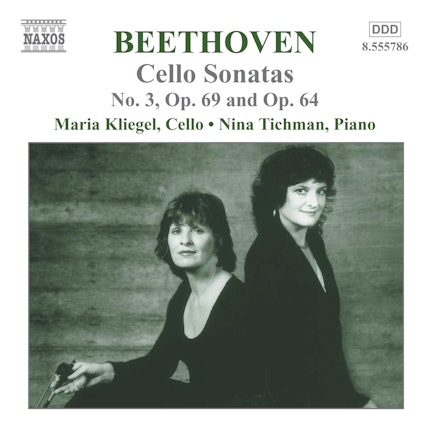
Beethoven: Cello Sonatas No. 3, Op. 69 and Op. 64
Beethoven: Most Complete, Vol. 3
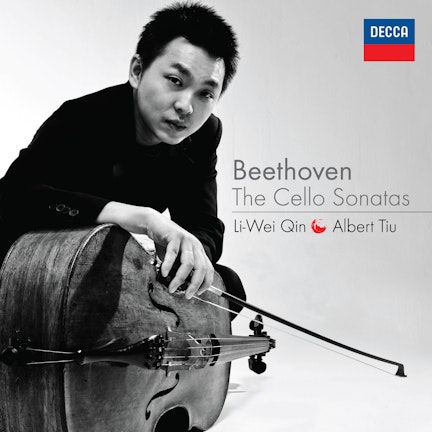
Beethoven: The Cello Sonatas
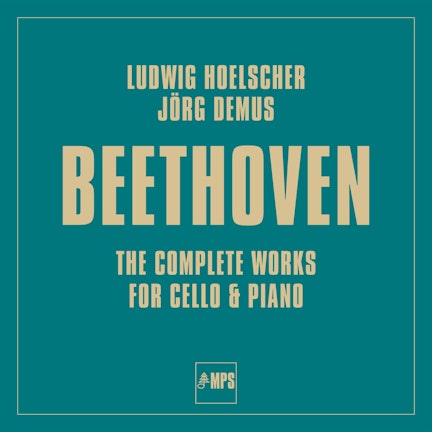
Beethoven: The Complete Works for Cello & Piano
Beethoven: Cello Sonatas & Variations (Live)
Beethoven: The Complete Works for Cello and Fortepiano
Beethoven: Complete Music for Piano and Violoncello
Beethoven: Cello Sonatas & Variations
Beethoven: Complete Sonatas and Variations for Piano and Cello
Beethoven: Sonatas For Forte Piano and Cello, Vol. 2