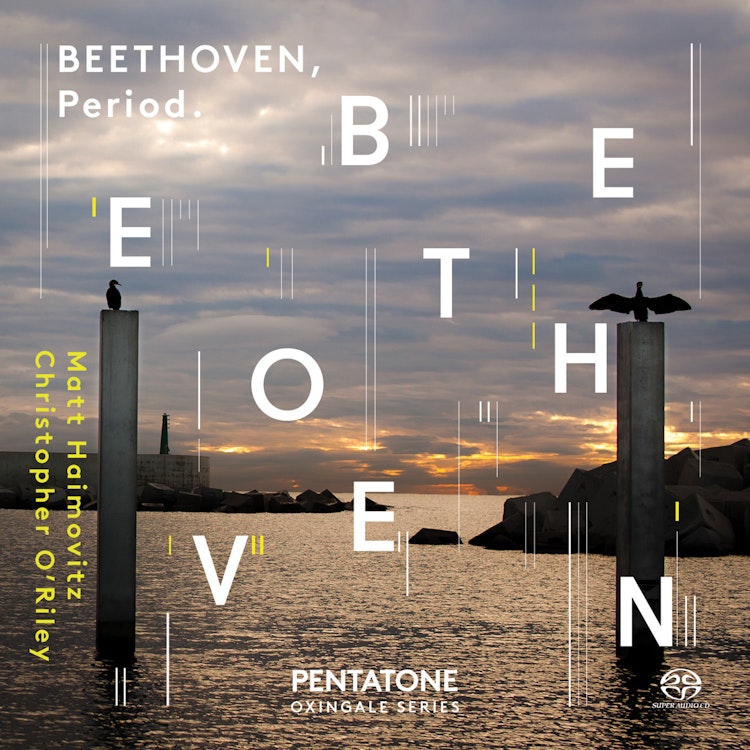
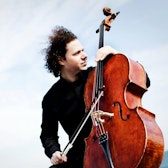
The performers on this album use period instruments, with cellist Matt Haimovitz playing a Gofriller cello from 1710 and pianist Christopher O'Riley using an original Broadwood fortepiano from 1823.
Composer Biography
Beethoven's Op. 102 Sonatas were a product of a time marked by personal and creative crisis, following his unanswered 'Immortal Beloved' letter and his brother's illness.
Composition History
Beethoven composed his two Op. 5 Sonatas for cellist Jean-Louis Duport and himself to premiere for Friedrich Wilhelm II, the cello-playing King of Prussia, in 1796.
Composition History
Beethoven's Op. 69 Sonata was likely composed for its dedicatee, Ignaz von Gleichenstein, a patron and cellist, during a highly productive period in 1808 that also saw work on the Fifth and Pastoral Symphonies.
Interpretation
The instruments on this recording are tuned to A=430 Hz, a microtone lower than modern tuning, and the fortepiano is not tuned in equal temperament.
Composer's Artistic Vision
Beethoven was the first to establish the cello and piano sonata as a genre, returning to this combination three times across his early, middle, and late periods.
Critical Reception
Beethoven's late Op. 102 Sonatas sounded so modern that they were likely incomprehensible to most listeners of his time, and the first publisher to whom they were offered rejected them.