The Rondo of Beethoven's Piano Concerto No. 2 was finished the day before its premiere, with Beethoven writing it while suffering from colic pains, and copyists receiving pages as they were completed.
Compositional Technique
The opening of Beethoven's Piano Concerto No. 4 was highly unusual for its time, as the soloist, not the orchestra, begins the work alone, a rare occurrence in Viennese classical tradition.
Composer Biography
Ludwig van Beethoven, though an acceptable violin and viola player in his youth, considered the piano his true instrument.
Interpretation
At a rehearsal for his Piano Concerto No. 2, Beethoven had the orchestra tune to B flat instead of A, and played his own part a semitone higher than written, because the piano was tuned a semitone lower than the woodwind.
Composer Biography
Beethoven's deafness began to cause problems in concerts with orchestral accompaniment, leading him to write to his friend Franz Wegeler in 1801 about his inability to hear high notes and voices.
Compositional Technique
The second movement of Beethoven's Piano Concerto No. 4 is unusually constructed, with composer Robert Schumann comparing its piano and orchestra dialogue to Orpheus taming the Furies in Hades.
Composition History
Beethoven's Piano Concerto No. 2 in B flat major, Op. 19, was the first of his five official piano concertos to be written, composed for his public debut as a pianist in Vienna in 1795.
You might also enjoy...
Beethoven, L. van: Piano Concertos Nos. 1 and 3
Beethoven: Piano Concertos Nos. 1 & 2
Beethoven: Piano Concertos Nos. 1 & 4
Beethoven: Piano Concerto N°3 & 4
Beethoven: Piano Concertos Nos. 1 & 2
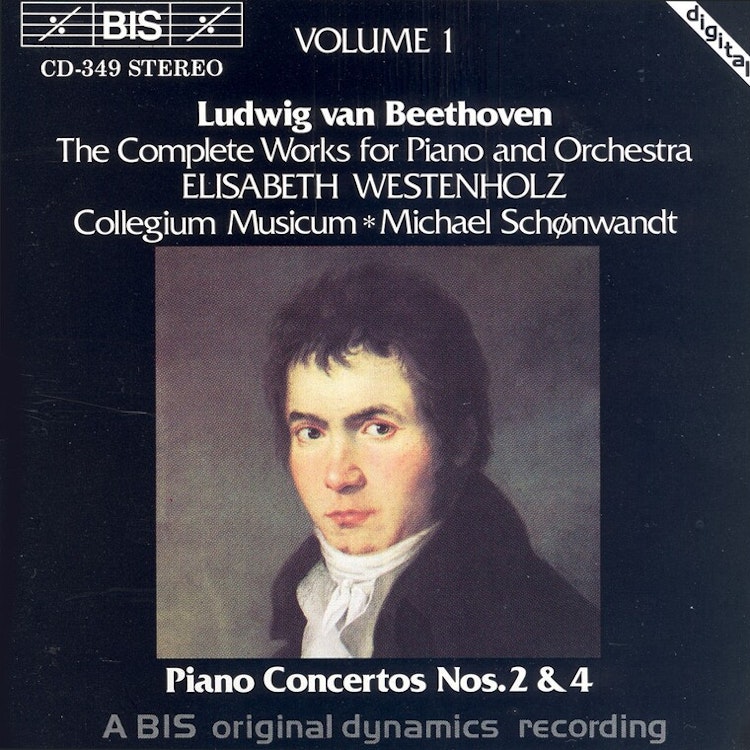
Beethoven: Piano Concertos Nos.2 & 4
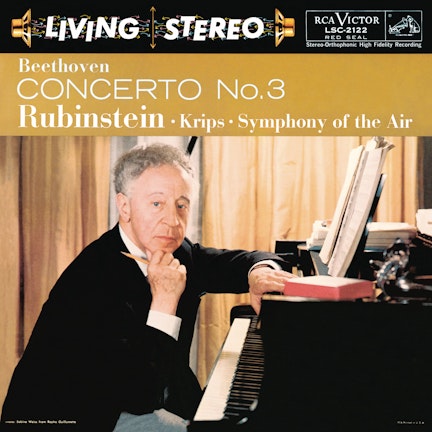
Beethoven: Piano Concerto No. 3 in C Minor, Op. 37
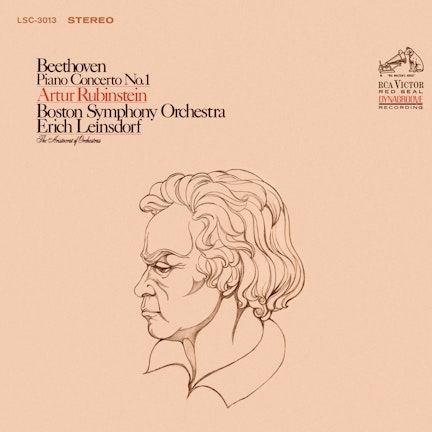
Beethoven: Piano Concerto No. 1 in C Major, Op. 15
Beethoven: Piano Concertos Nos. 1 & 2 (Live)
Beethoven: Piano Concerto No. 1 in C Major, Op. 15
Beethoven: Piano Concertos Nos. 1 & 2
Beethoven, L. Van: Piano Concertos, Vol. 2 (Biret) - Nos. 3, 4