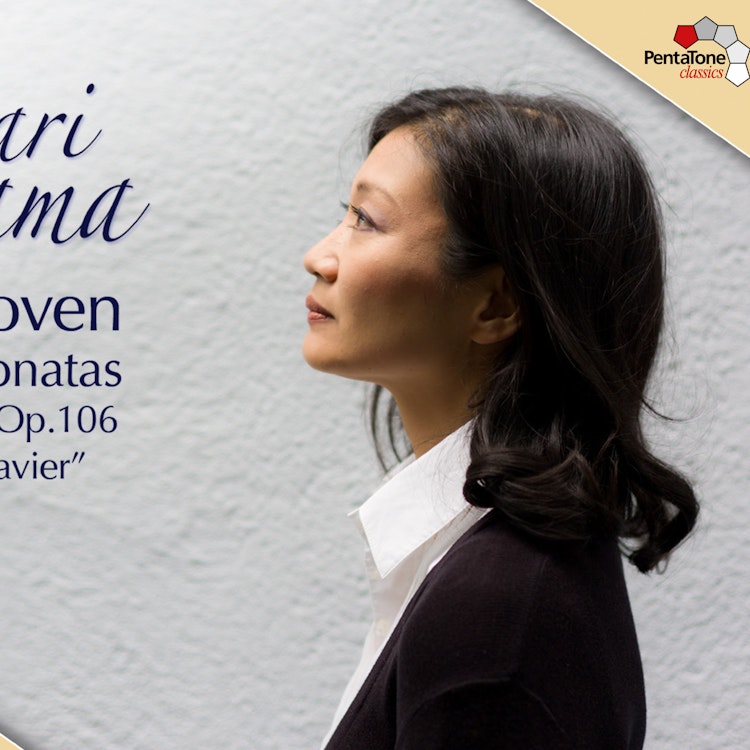
Beethoven: Piano Sonatas Op. 101 & Op. 106, 'Hammerklavier'
8/27/2013, 8 Tracks, 1:00:13
Featuring
Mari Kodama
Ludwig van Beethoven
Did you know?
1/7
Compositional Technique
In his late sonatas, Beethoven expands and even 'disintegrates' the well-established sonata form, creating a new 'sonata domain' and world of expression.
Performer Biography
This recording is the final release in Mari Kodama's integral Beethoven cycle, which is now available.
Critical Reception
The 'Hammerklavier' Sonata, Op. 106, was a 'compositional utopia' that "hopelessly overwhelmed" audiences and pianists of its time, with few exceptions.
Composer Biography
Beethoven's personal situation, including social isolation, various illnesses, personal problems, and increasing deafness, significantly marked his late compositions and style.
Composition History
Beethoven urgently needed money while composing the 'Hammerklavier' Sonata, Op. 106, and sent it to his publisher predicting it would be played in 50 years.
Composer's Artistic Vision
Beethoven's late piano sonatas, including Op. 101 and Op. 106, are described as bursting open known boundaries and challenging both the listener and the pianist.
Instruments
Beethoven's Sonata in A major, Op. 101, is the first to explicitly include 'for the fortepiano' in its title, referring to the instrument with strings struck by small hammers.
You might also enjoy...
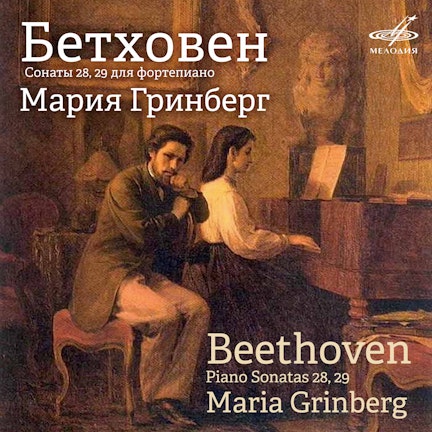
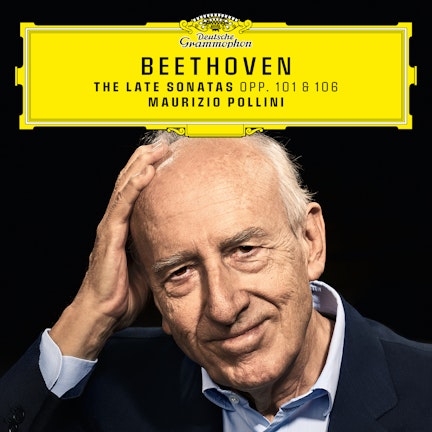
Beethoven: Piano Sonatas Nos. 28 & 29
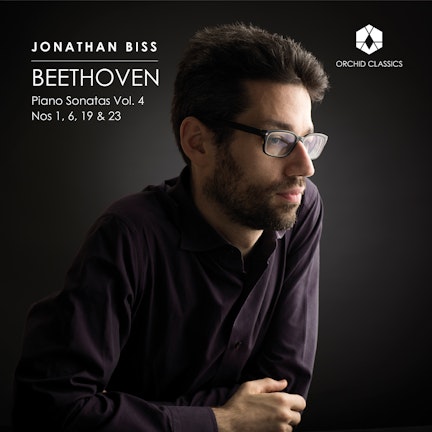
Beethoven: Piano Sonatas, Vol. 4
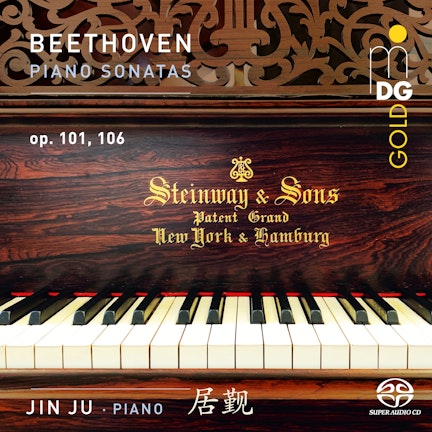
Beethoven: Piano Sonatas Opp. 101 & 106
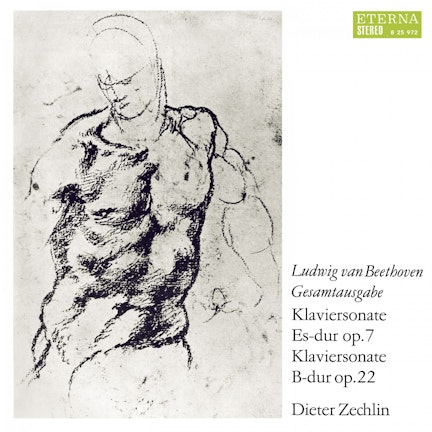
Beethoven: Klaviersonaten No. 4 & 11
Sviatoslav Richter 100, Vol. 22 (Live)
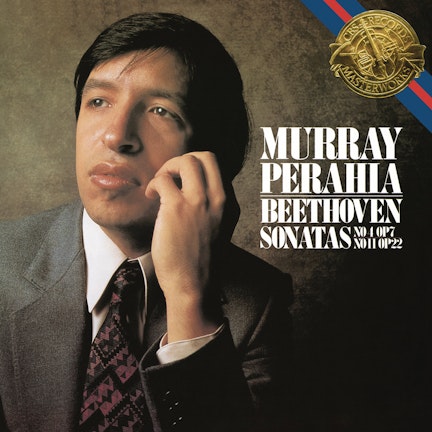
Murray Perahia: Beethoven Sonatas Nos. 4 & 11
Beethoven: Piano Sonatas
Beethoven: The Piano Sonatas, Volume I
Beethoven: Piano Sonatas, Opp. 90, 101, 109 & 110
Beethoven: Piano Sonatas, Vol. 5
Beethoven: Sonatas for Piano No. 14, 8, & 23 - Expanded Edition