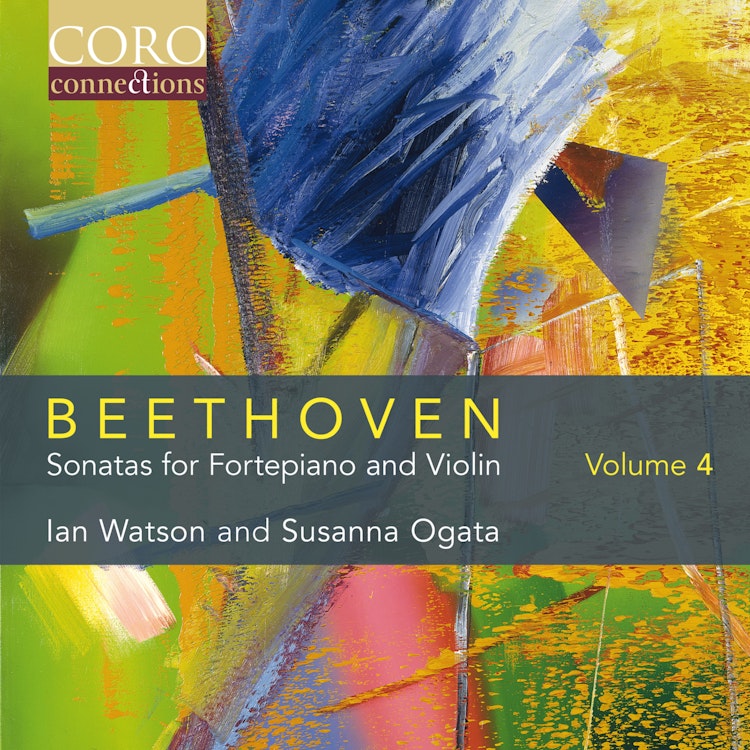
Beethoven: Sonatas for Fortepiano and Violin Volume 4
6/1/2018, 9 Tracks, 56:30
Featuring
Ian Watson
Susanna Ogata
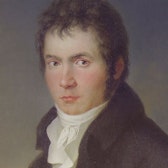
Ludwig van Beethoven
Did you know?
1/7
Instruments
The fortepiano used on this recording is a Paul McNulty instrument from 2000, modeled after the Walter and Sohn pianos, a type praised by Mozart and played by Beethoven.
Critical Reception
An early critic in 1799 found Beethoven's Op. 12 sonatas bizarre and singular, complaining of a 'striving for strange modulations' and a 'heaping up of difficulties'.
Instruments
The violin used by Susanna Ogata was built in 1772 by Joseph Klotz, from a highly regarded family of instrument makers, and Mozart likely performed on a Klotz family instrument.
Historical Context
By the late 18th century, violin sonatas were popular, often billed as 'sonatas for harpsichord or fortepiano, with the accompaniment of a violin,' implying the violin had a secondary role.
Composition History
Beethoven's Op. 12 Sonatas for Fortepiano and Violin were among his first compositions in this genre, written in the winter and early spring of 1797-98.
Performer Biography
Susanna Ogata, the violinist, serves as Assistant Concertmaster for the Handel and Haydn Society and has received accolades for her performances and recordings.
Performer Biography
Ian Watson, the fortepiano player, won a scholarship to the Junior School of the Royal Academy of Music at age 14 and was later honored with an Associateship of the Royal Academy of Music.
You might also enjoy...
Beethoven: Violin Sonatas Nos. 1, 2, 5 "Spring" And 8
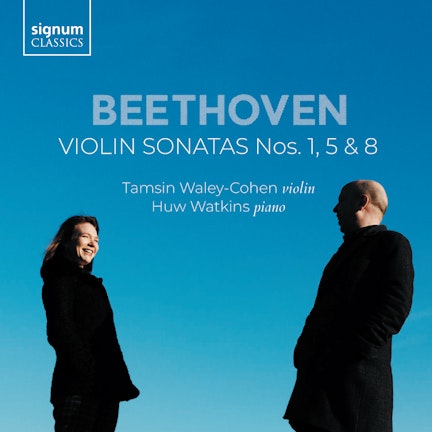
Beethoven: Violin Sonatas Nos. 1, 5 & 8
Mozart & Beethoven: Sonates pour pianoforte & violon
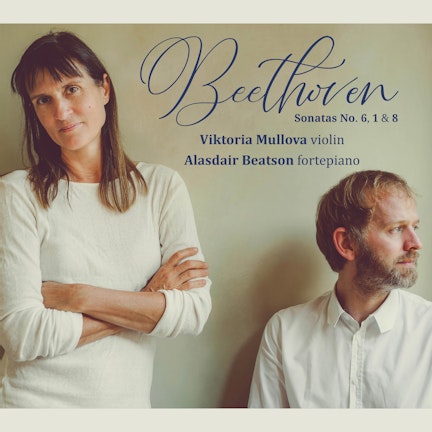
Beethoven Violin Sonatas Nos. 6, 1 and 8
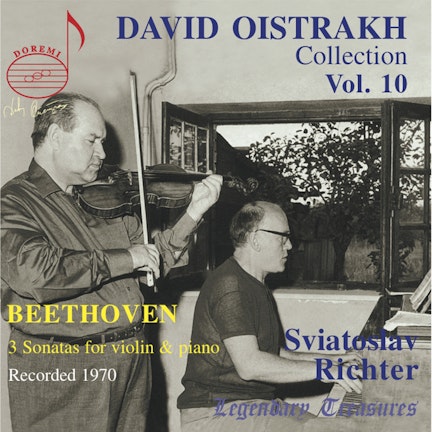
Oistrakh Collection, Vol. 10: Beethoven with Richter
Beethoven: Live from the 1998 International Violin Competition of Indianapolis
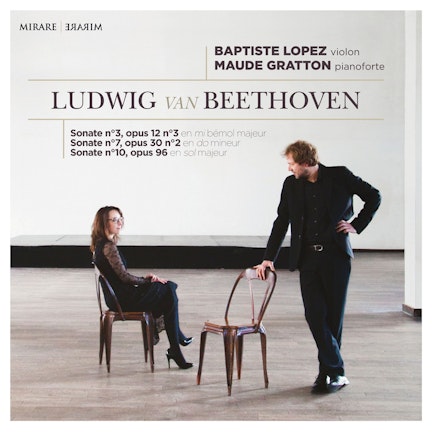
Ludwig van Beethoven: Sonatas No. 3, No. 7 & No. 10
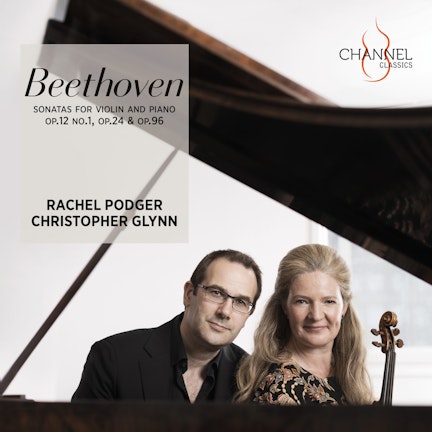
Beethoven: Sonatas for Violin and Piano Op. 12 No. 1, Op. 24 & Op. 96