Beethoven's Ninth Symphony is unusually long for its time, with its two concluding movements responsible for its exceptional duration, as symphonies in the early 19th century rarely exceeded half an hour.
Composer's Artistic Vision
Beethoven described the famous melody in the Finale of his Ninth Symphony as 'a melody anyone can sing,' representing an ideal rooted in humanity and the 'People'.
Composition History
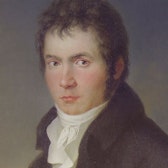
Beethoven completed his Ninth Symphony in 1824, twelve years after his Eighth, a significant gap due to his total deafness, a custody battle for his nephew, and the Viennese public's shift away from his 'heroic style'.
Performer Biography
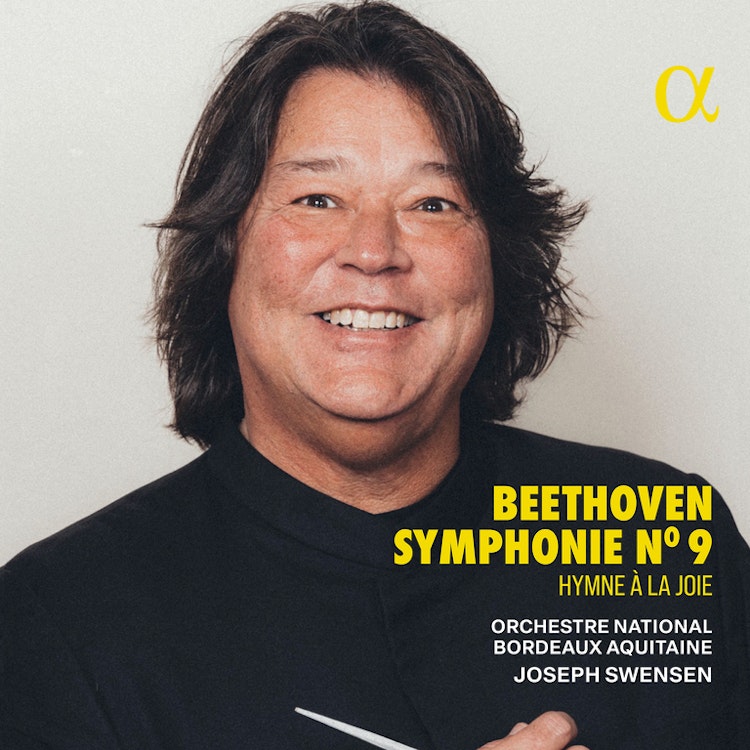
Joseph Swensen, the conductor, is an American of Norwegian and Japanese descent, born in Hoboken, New Jersey, and raised in Harlem, New York.
Cultural Impact
Beethoven's Ninth Symphony, particularly the melody from the 'Ode to Joy', has had a profound cultural impact, being used in ballet, cinema, and adopted as the anthem of the European Union.
Compositional Technique
For the first time in a symphony, Beethoven incorporated solo voices, chorus, and orchestra in the final movement, drawing inspiration from vocal genres like cantata, oratorio, and opera, which was unprecedented for a purely instrumental form.
Performer Biography
Joseph Swensen, the conductor, is also an active composer and orchestrator, with original compositions including 'Shizue' (1995), dedicated to his aunt who was a victim of the Hiroshima bombing.
You might also enjoy...
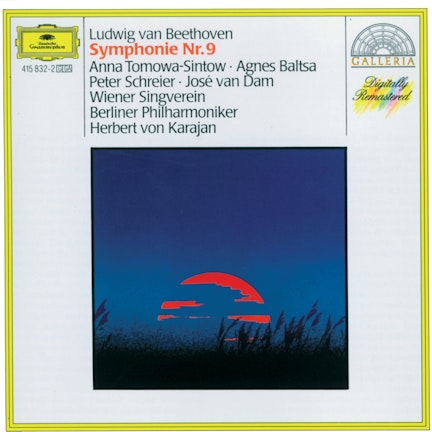
Beethoven: Symphony No.9
Beethoven: Symphony No. 9
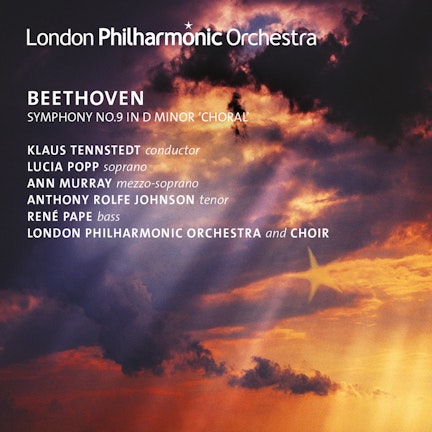
Beethoven: Symphony No. 9 in D minor, Op. 125 "Choral"
Beethoven: Symphony No. 9
Beethoven: Symphonies & Ouvertures, Vol. 6
Beethoven: Symphony No. 9 in D Minor, Op. 125 "Choral"