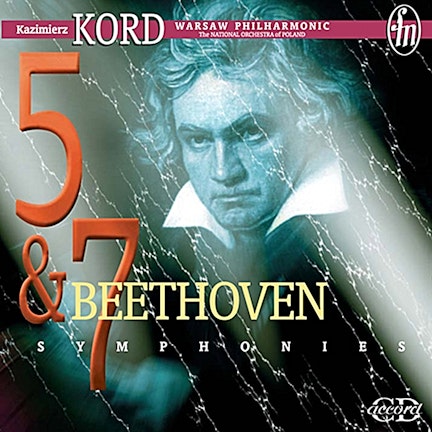
Beethoven himself praised his Symphony No. 7 as 'one of the happiest products of my weak forces,' a rare self-compliment from the composer.
Composition History
Beethoven's Symphony No. 7 premiered at a spectacular charity event on December 8, 1813, which was so successful it had to be repeated four days later.
Recording & Production
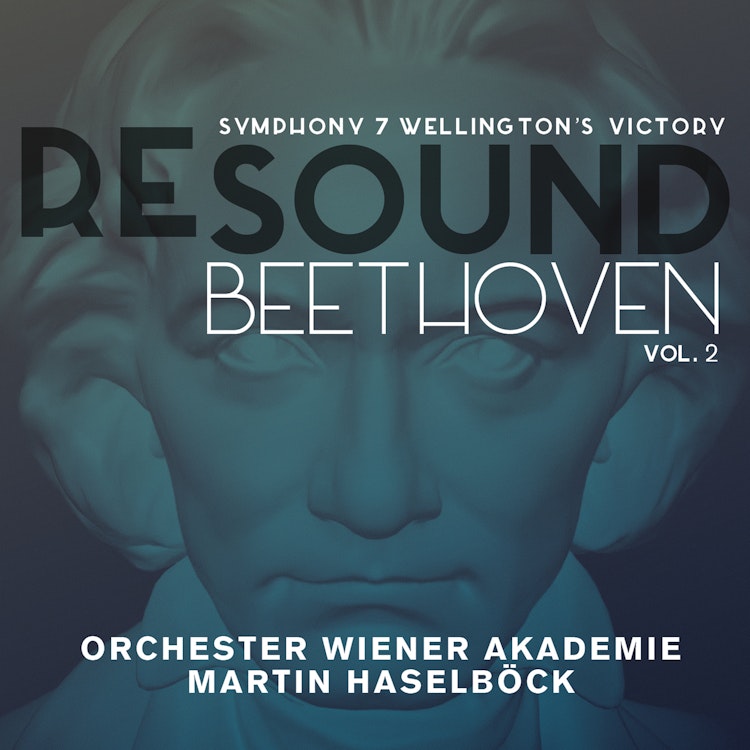
The producer, Stephan Reh, endeavors to capture the unique acoustic qualities of each historical venue used for the RESOUND Beethoven recordings.
Composition History
Beethoven's Wellington's Victory was originally conceived by Mälzel to showcase his Panharmonicon, a large instrument simulating military music, but Beethoven's orchestral version was ultimately performed.
Compositional Technique
The second movement of Beethoven's Symphony No. 7, often called a funeral march, became an 'absolute smash hit' due to its relentlessly striding ostinato rhythm, and its main theme was originally composed for the Third 'Razumovsky' Quartet.
Interpretation
The RESOUND Beethoven project aims to perform Beethoven's symphonies in the original Viennese venues, using period-appropriate orchestral sizes and instruments.
Historical Context
For the 1813 premiere, Beethoven collaborated with Johann Nepomuk Mälzel, a 'Mechanic to the Imperial and Royal Court' known for inventing the metronome and constructing ear trumpets for the deaf composer.