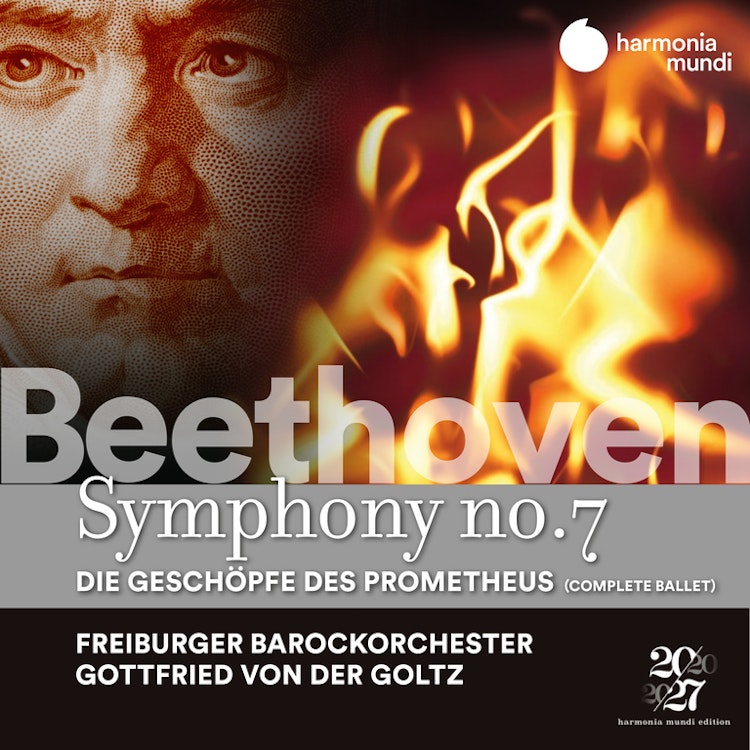
Beethoven: Symphony No. 7 - The Creatures of Prometheus
2/19/2021, 22 Tracks, 1:43:14
Featuring
Gottfried von der Goltz
Freiburger Barockorchester
Ludwig van Beethoven
Did you know?
1/7
Interpretation
The Freiburger Barockorchester performs Beethoven's symphonies on period instruments, sometimes without a conductor in the modern sense, as part of Harmonia Mundi's "Beethoven Alive" project.
Composition History
Beethoven's ballet, "The Creatures of Prometheus," premiered at the Imperial Theater in Vienna on March 28, 1801.
Cultural Impact
Richard Wagner famously described Beethoven's Symphony No. 7 as "the apotheosis of dance itself," highlighting its rhythmic energy and physical movement.
Compositional Technique
The first movement of Beethoven's Symphony No. 7 features the longest slow introduction in any of his symphonies, spanning 62 bars.
Historical Context
The Prometheus myth, central to Beethoven's ballet, was popular during the Enlightenment, with artists and writers seeing the Titan as a symbol of the new free human being.
Critical Reception
At its premiere in 1813, the second movement (Allegretto) of Beethoven's Symphony No. 7 was so popular it had to be repeated at each performance.
Composer Biography
Salvatore Viganò, the Italian dancer, ballet master, and choreographer who collaborated with Beethoven on "The Creatures of Prometheus," was the nephew of composer Luigi Boccherini.
You might also enjoy...
Schubert: Symphony No.2 in B-Flat Major, D. 125 - Beethoven: Die Geschöpfe des Prometheus, Op. 43 (Excerpts)
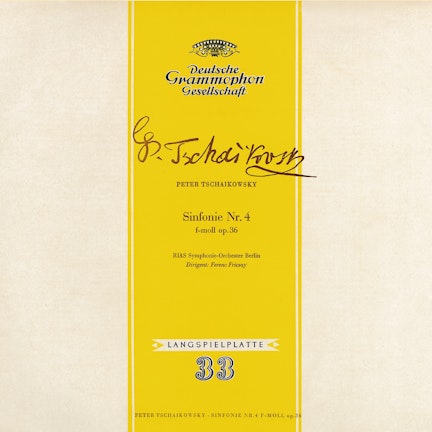
Tchaikovsky: Symphony No.4
Henry Cowell: Thesis (Symphony No. 15) - Rodolfo Halffter: Ballet Suite, "La Madrugada del Panadero," Op. 15a
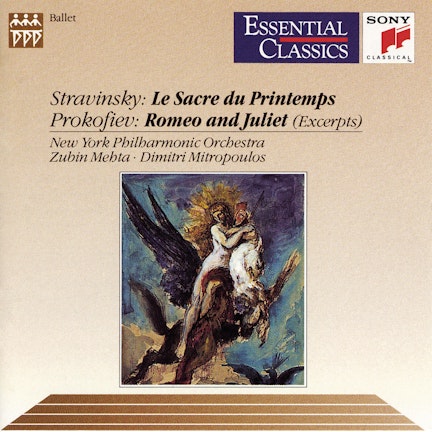
Prokofiev: Romeo and Juliet (Excerpts) Stravinsky: The Rite of Spring
Leningrad Ballet Music
Tishchenko: The Twelve
Shostakovich: Golden Age (The), Op. 22
Tchaikovsky: The Nutcracker Suite, Op. 71a, TH. 35