Conductor José Serebrier, a Grammy-winner, was hailed by Leopold Stokowski as 'the greatest master of orchestral balance' when Serebrier was 21 years old.
Composition History
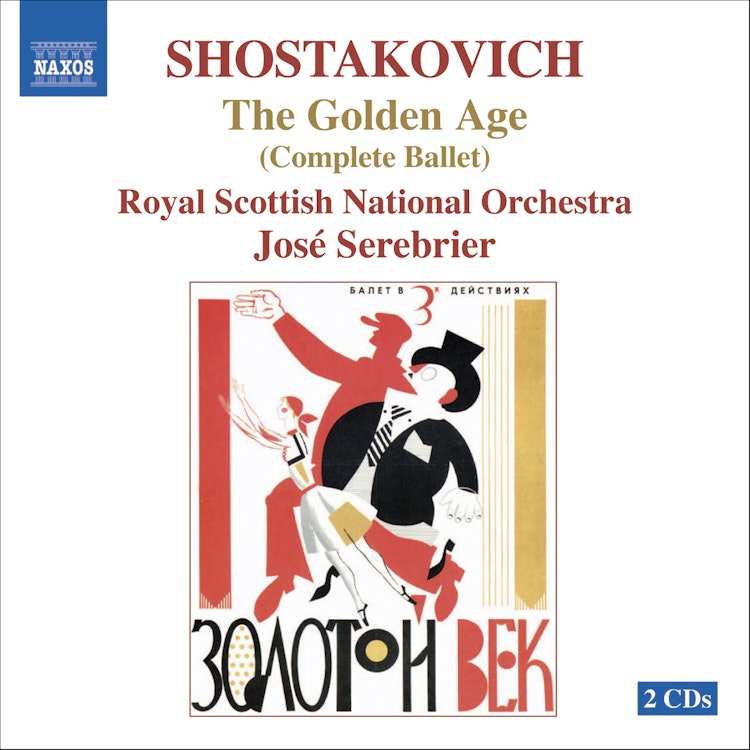
Shostakovich's ballet, The Golden Age, ran for only twenty performances after its 1930 premiere in Leningrad, partly due to disagreements between the composer and choreographer Vasily Vainonen.
Recording & Production
This recording is the first to present Shostakovich's The Golden Age ballet complete with all repeats observed, based on the 1930 Leningrad premiere listing and Manashir Yakubov's edited piano score.
Historical Context
The Golden Age ballet is set during a brief but vital period in Soviet culture when 'provocation was the norm', revolving around a Soviet football team's visit to a Western city.
Composition History
Even before its premiere, Shostakovich created a suite from The Golden Age ballet, which helped keep the work's name alive internationally for 45 years.
Performer Biography
José Serebrier was the youngest person in the Ford Foundation's history to receive two Guggenheim awards, at the age of nineteen.
Compositional Technique
The ballet includes Shostakovich's transcription of Vincent Youman's song 'Tea for Two', known as 'Tahiti Trot, Opus 16', which was added at the request of the premiere's conductor, Aleksandr Gauk.
You might also enjoy...
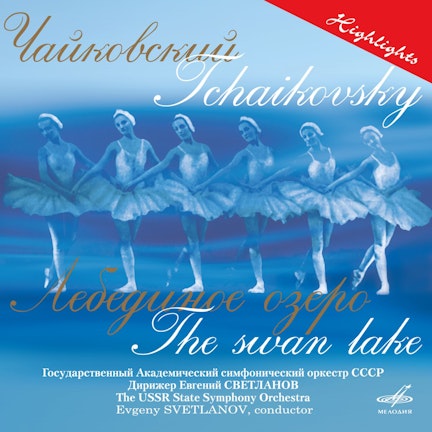
Tchaikovsky: Swan Lake (Excerpts)
Elliott Carter: Pocahontas
Tchaikovsky: Swan Lake
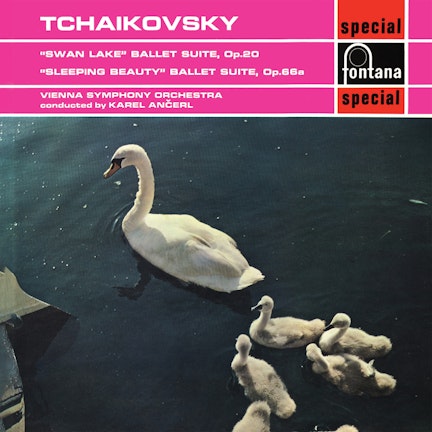
Tchaikovsky: Swan Lake Suite; The Sleeping Beauty Suite
R. Strauss: Josephslegende
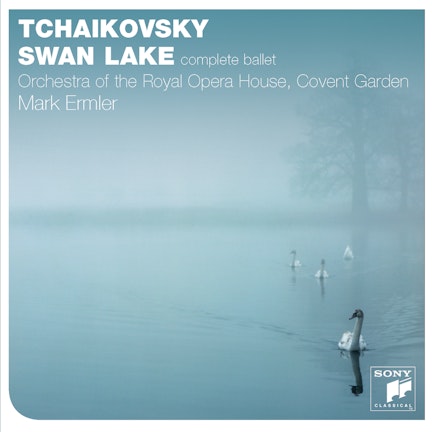
Tchaikovsky: Swan Lake (Complete)
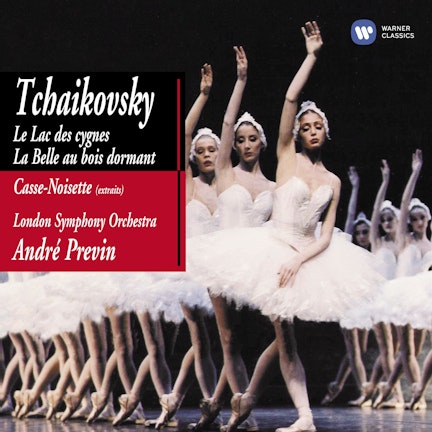
Tchaikovsky: Le Lac des cygnes - La Belle au bois du dormant
The Nutcracker, Op. 71, TH 14
Tchaikovsky: Sleeping Beauty (Highlights)
Tchaikovsky: Nutcracker, Sleeping Beauty & Swan Lake