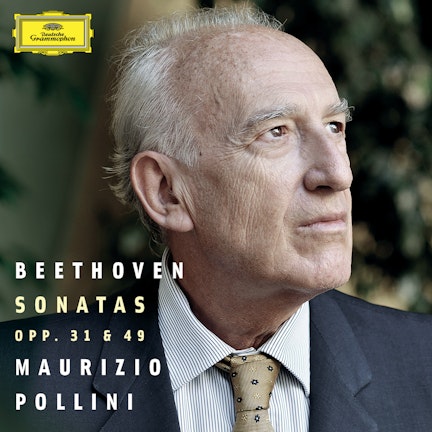
Beethoven's Sonata Op. 7, the first 'Grand sonata,' was published alone in October 1797 and dedicated to his pupil, Countess Anna Luisa Barbara von Keglevics, known as Babette.
Historical Context
This album celebrates the 250th anniversary of Ludwig van Beethoven's birth, offering a new perspective on some of his masterworks.
Composer's Artistic Vision
Beethoven reportedly suggested to 'Read The Tempest by Shakespeare' in connection with his Sonata Op. 31 No. 2, though the exact meaning of this suggestion is debated.
Performer Biography
Matteo Fossi, the pianist on this album, is a highly regarded Italian chamber musician who has performed extensively in Italy and internationally.
Composition History
The Sonata Op. 31 No. 2, known as 'The Tempest,' was composed in the summer of 1802, a period of crisis for Beethoven, around the time of his Heiligenstadt Testament.
Compositional Technique
Beethoven's Sonata Op. 7 is the longest of his 32 piano sonatas, with the exception of the 'Hammerklavier' Sonata, Op. 106.
Interpretation
Matteo Fossi, the pianist, chose these three sonatas for his new solo album because each holds a personal emotional and musical significance for him.
You might also enjoy...
Beethoven: Complete Piano Sonatas Vol.9
Beethoven: Piano Sonatas Nos. 17, "Tempest", 26, "Les Adieux" and 31
Beethoven: Piano Sonatas, Vol. 6
Beethoven: Piano Sonatas, Op. 22, Op. 31/3 & Op. 101