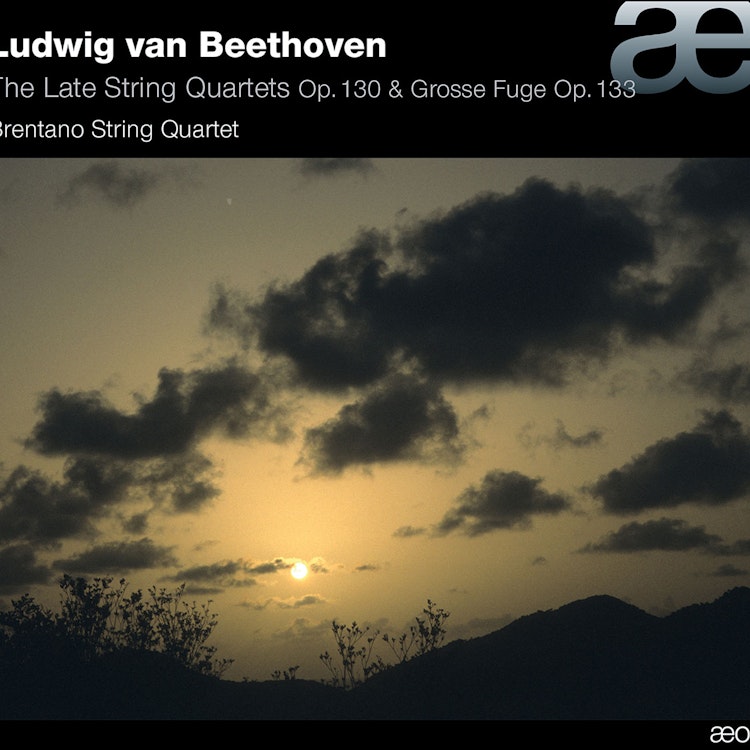
The Brentano String Quartet is named after Antonie Brentano, who many scholars believe was Beethoven's 'Immortal Beloved,' the intended recipient of his famous love confession.
Composition History
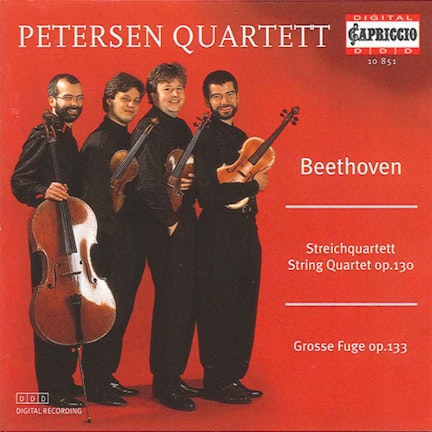
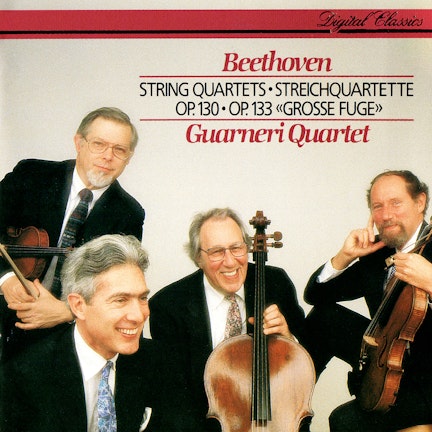
Beethoven's publisher convinced him to remove the Grosse Fuge (Great Fugue) from Op. 130 and publish it separately as Op. 133, leading Beethoven to write an alternate finale for the quartet.
Performer Biography
The Brentano String Quartet, formed in 1992, quickly gained recognition, winning the first Cleveland Quartet Award, the 1995 Naumburg Chamber Music Award, and the 10th Annual Martin E. Segal Award within a year.
Critical Reception
At the private premiere of Op. 130, the audience and performers found the Grosse Fuge nearly incomprehensible, leading Beethoven to call them 'cattle and asses' when told they didn't request a repeat of it.
Cultural Impact
The Cavatina from Op. 130 was chosen by astronomer Carl Sagan for the 'golden record' on the Voyager spacecrafts, meant to represent humanity's achievements to intelligent extraterrestrial life.
Composer's Artistic Vision
Beethoven's String Quartet Op. 130 explores the relationship between musical form, language, and meaning, pushing the boundaries of musical expression.
Compositional Technique
Beethoven's Op. 130 challenges traditional musical grammar, for instance, by lifting a dominant pitch upwards instead of letting it fall to its tonic, creating a sudden hush.
You might also enjoy...
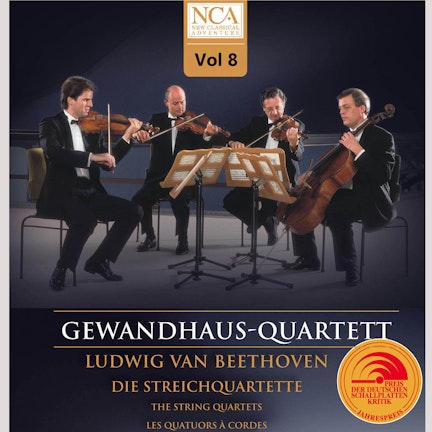
Beethoven: String Quartets Vol. 7
Beethoven String Quartets Op.130 si bémol majeur & Op.133 (Grande Fugue)
Ludwig van Beethoven & Quartetto Italiano
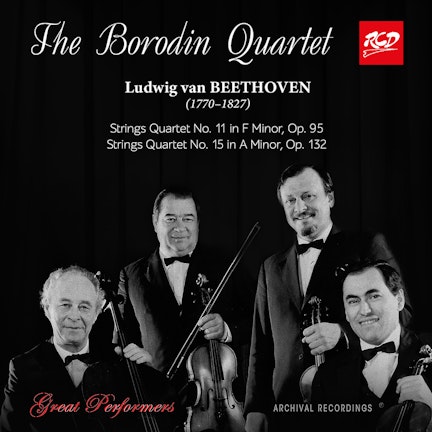
The Borodin Quartet Plays Beethoven: String Quartet No. 11, Op. 95 / String Quartet No. 15, Op. 132