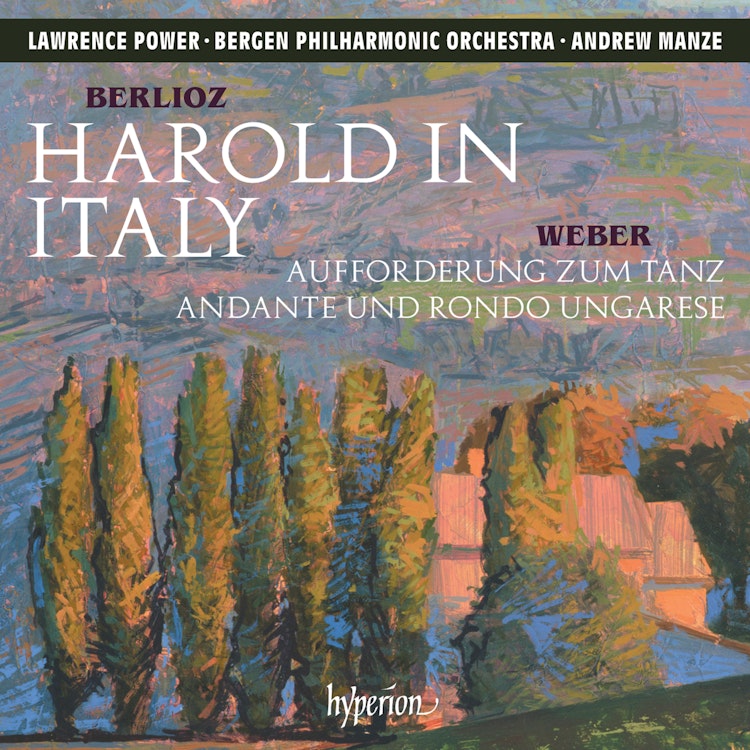
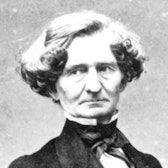
When Berlioz won the prestigious Prix de Rome in 1830, he tried to avoid the obligatory stay in Italy, even getting his doctor to attest that the hot climate would be injurious to his nervous disorders.
Compositional Technique
In Harold en Italie, the solo viola represents a 'melancholy dreamer' in the style of Byron's Childe Harold, acting as an observer whose theme remains unchanged regardless of the surrounding musical events.
Interpretation
The solo parts for Berlioz's La captive and Plaisir d'amour on this album were specially arranged for viola by conductor Andrew Manze.
Composer's Artistic Vision
Berlioz's Italian journey, though initially unwanted, proved immensely beneficial, laying the foundation for many of his later compositions, including the opera Les Troyens and the dramatic symphony Roméo et Juliette.
Composition History
Berlioz's Harold en Italie originated from a request by the virtuoso violinist Paganini for a concerto to showcase his newly acquired Stradivari viola.
Performer Biography
Lawrence Power, one of today's foremost violists, is Artist in Residence with the Bergen Philharmonic Orchestra, the ensemble featured on this recording.
Compositional Technique
The finale of Berlioz's Harold en Italie reviews and rejects themes from previous movements, similar to Beethoven's Ninth Symphony, but here it is to eliminate the soloist rather than introduce a new element.
You might also enjoy...
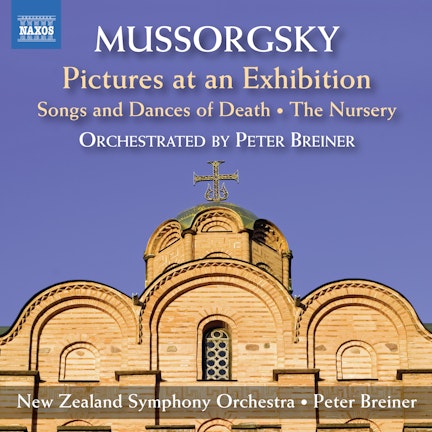
Mussorgsky: Pictures at an Exhibition, Songs and Dances of Death & The Nursery (Orchestrated by Peter Breiner)
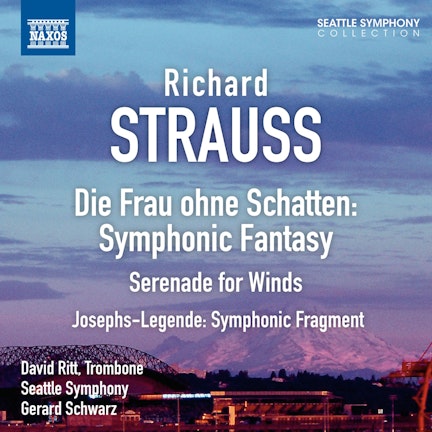
Strauss: Symphonic Fantasy on Die Frau ohne Schatten - Serenade, Op. 7 - Symphonic Fragment from Josephs Legende
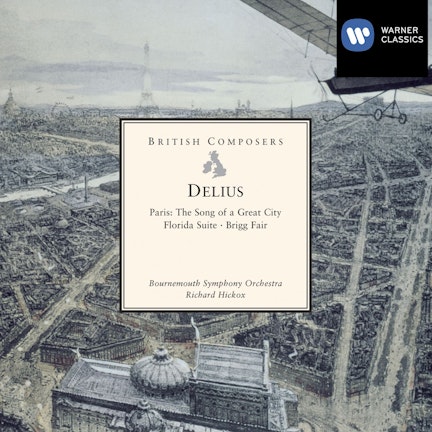
Delius: Paris, Florida Suite, Brigg Fair
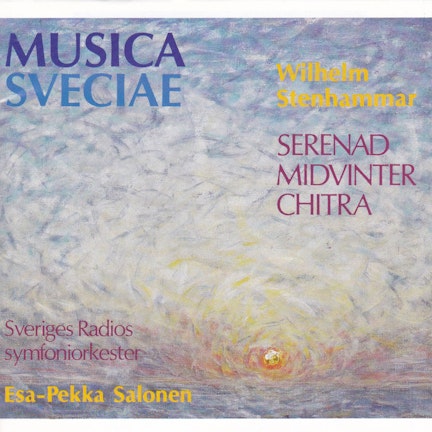
Wilhelm Stenhammar: Serenad, Midvinter & Chitra
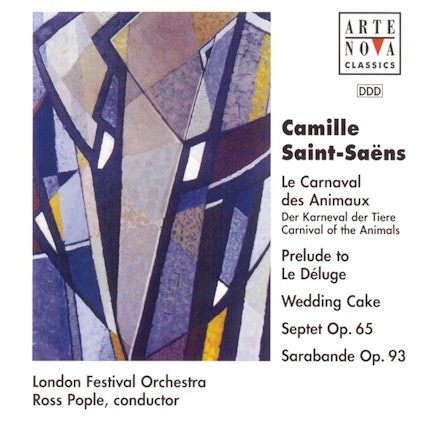
Saint-Saens: Carnival Of The Animals, Wedding Cake Polka
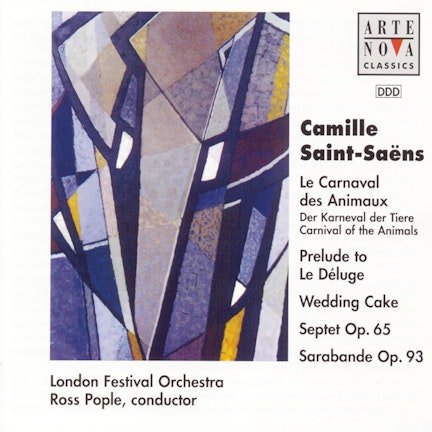
Saint-Saens: Carnival Of The Animals, Wedding Cake Polka
Brahms: Reimagined Orchestrations
Delius: Walk To the Paradise Garden (The) / Dance Rhapsodies Nos. 1 and 2 / North Country Sketches