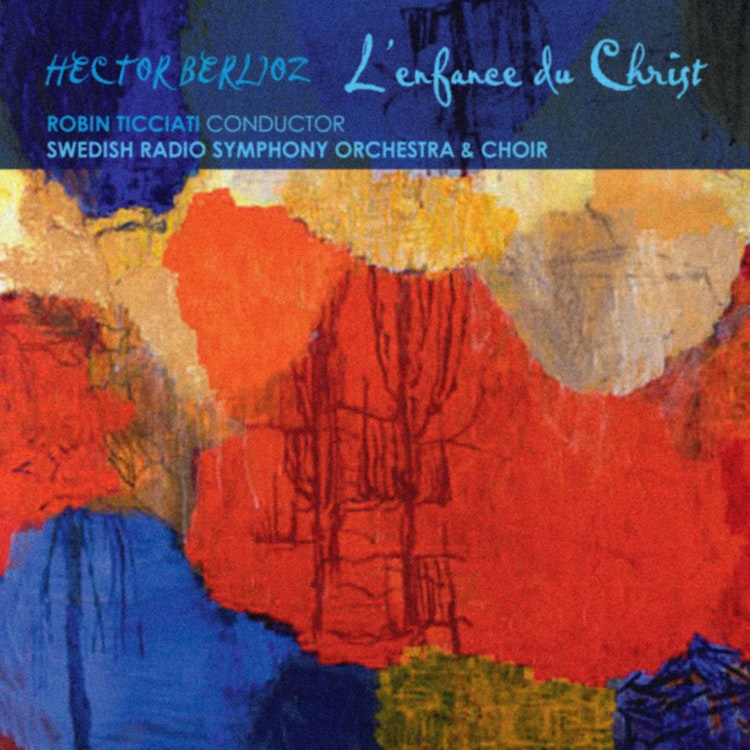
Hector Berlioz's L'enfance du Christ originated from a four-part andantino for organ he scribbled in a friend's album, which later became the chorus of shepherds.
Composition History
Berlioz only resumed composition and completed L'enfance du Christ after young German admirers urged him to extend 'La fuite en Égypte' into a more substantial work.
Critical Reception
The public's positive reaction to 'L'adieu des bergers' (which they believed was by Pierre Ducré) discouraged Berlioz, as they thought he couldn't write anything so charming.
Cultural Impact
L'enfance du Christ deeply affected the young Massenet and influenced his music, as well as that of Bizet and Saint-Saëns, who admired Berlioz against the prevailing critical tide.
Compositional Technique
The 'Trio for two flutes and harp' in L'enfance du Christ is a rare example of chamber music by Berlioz, inspired by his childhood instrument, the flute, and ancient Theban harps.
Composer Biography
Berlioz once presented 'L'adieu des bergers' as the work of an imaginary 17th-century French composer, Pierre Ducré, to test the judgment of his Parisian audience.
Critical Reception
The success of L'enfance du Christ in Paris surprised Berlioz, who believed it was due to the audience's familiarity with the Bible story and the work's smaller orchestral forces.
You might also enjoy...
Schubert: Lazarus, oder Die Feier der Auferstehung, D. 689
Dvořák: Svata Ludmila
Haydn: Schopfung (Die) (The Creation)
Mendelssohn: Elijah
Mendelssohn: Elias
Mendelssohn: Elias, Op. 70
Haydn: The Seven Last Words of our Saviour on the Cross