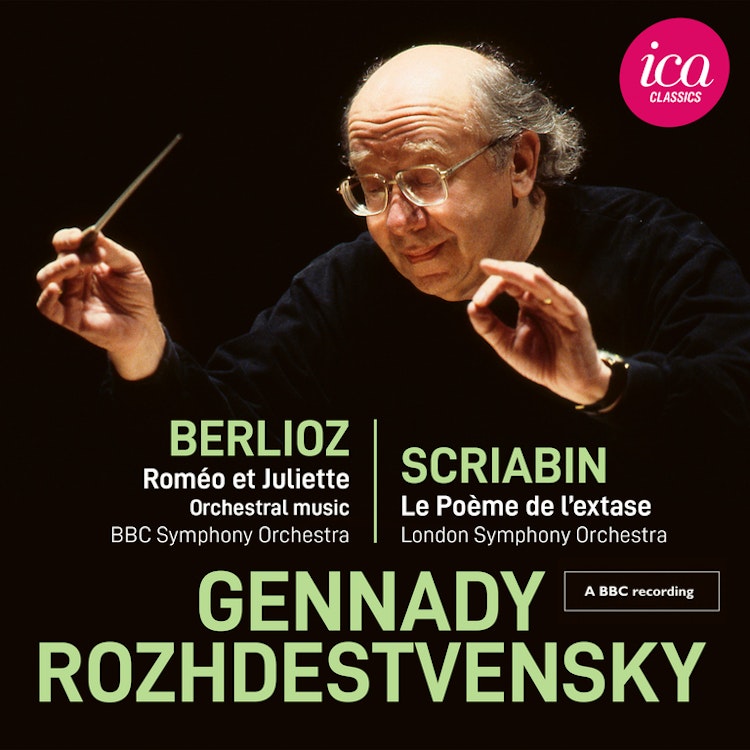
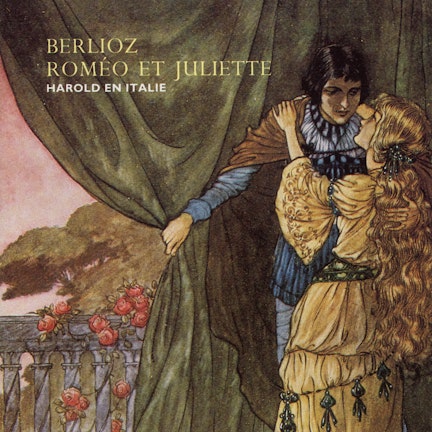
Berlioz: Roméo et Juliette - Scriabin: Le Poème de l’extase
9/22/2023, 6 Tracks, 1:16:35
Featuring
Gennady Rozhdestvensky
BBC Symphony Orchestra
BBC Symphony Chorus
London Symphony Orchestra
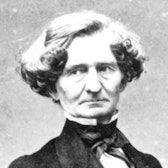
Hector Berlioz
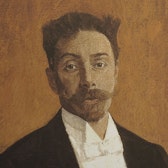
Alexander Scriabin
Did you know?
1/7
Compositional Technique
In Berlioz's Roméo et Juliette, the crucial love scenes between Romeo and Juliet are given to the orchestra, not to the singers.
Performer Biography
Gennady Rozhdestvensky, the conductor, led the Russian premiere of Benjamin Britten's opera A Midsummer Night's Dream at the Bolshoi Theatre in 1965.
Composer's Artistic Vision
Alexander Scriabin, the composer of Le Poème de l'extase, considered himself as much a mystic as a musician, believing composing was a means to transform his audience.
Compositional Technique
Alexander Scriabin's Le Poème de l'extase uses an enormous Wagnerian orchestra with an expanded brass section, extra percussion, and organ to convey its grandiose images.
Performer Biography
Gennady Rozhdestvensky, the conductor, was known for his interpretations of Soviet composers like Dmitri Shostakovich and Sergei Prokofiev, with whom he had close personal relationships.
Composition History
Hector Berlioz's Roméo et Juliette was inspired by a production of Shakespeare's play in David Garrick's version, which Berlioz saw in Paris in 1827.
Composer Biography
Hector Berlioz, the composer of Roméo et Juliette, fell in love with the English actress Harriet Smithson, who played Juliet, and she later became his wife.