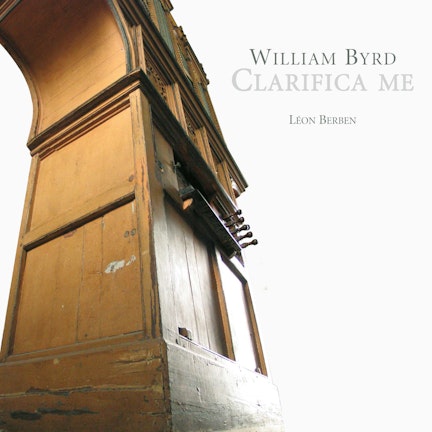
The organ used for this recording is an 'organo di legno' based on open wooden pipes, in an Italian Renaissance style, part of the 'Duoi organi per Monteverdi' project.
Composer Biography
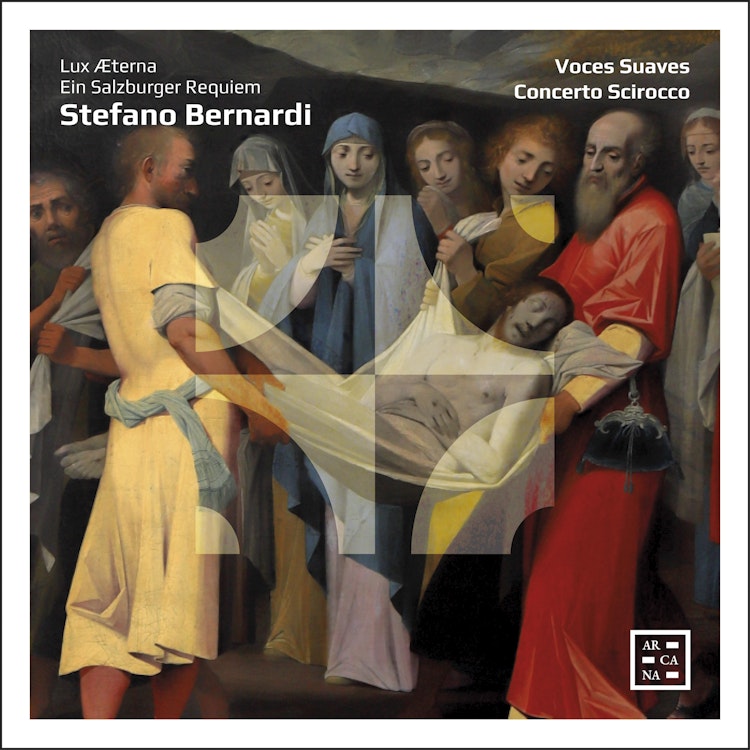
Stefano Bernardi, an Italian composer born around 1577 in Verona, was appointed Hofkapellmeister (court music director) in Salzburg in 1627.
Instruments
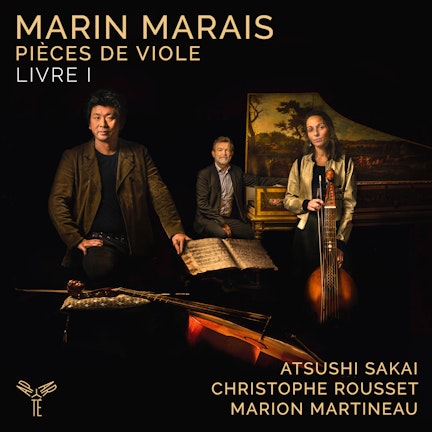
The recording features a violone in G by Federico Bandini, made in Bologna in 2015, modeled after a 1598 instrument by John Rose from England.
Composition History
Stefano Bernardi's main task in Salzburg was to create a new repertoire for the newly completed cathedral, as much of the old repertoire was lost or unavailable.
Historical Context
Salzburg, ruled by a Prince-Archbishop, traditionally prioritized sacred music, with the Salzburg Cathedral holding great representative importance as 'God's Audience Hall'.
Recording & Production
The album's concept and design, featuring 'Chladni Figures', are inspired by the 18th-century physicist Ernst Chladni's visualization of sound vibrations.
Compositional Technique
Bernardi's Requiem à 6 uses a plainchant cantus firmus in several sections, with other parts freely composed, and employs alternations between high and low choirs.
You might also enjoy...
Melchior Franck: Melodiae Sacrae 1607
John Taverner: Dum transisset sabbatum (II) - Single
Cavazzoni: Complete Organ Works
Ex tenebris ad lucem: Venetian Music of Penitence from a Time of Plague, 1575-1577
Ronde de saisons: Musique pour quatuor de violes
Music from the Peterhouse Partbooks, Vol. 3
Zelenka: Magnificat - Missa Nativitatis Domini - Dixit Dominus
Seicento stravagante: Music for Cornetto & Keyboard