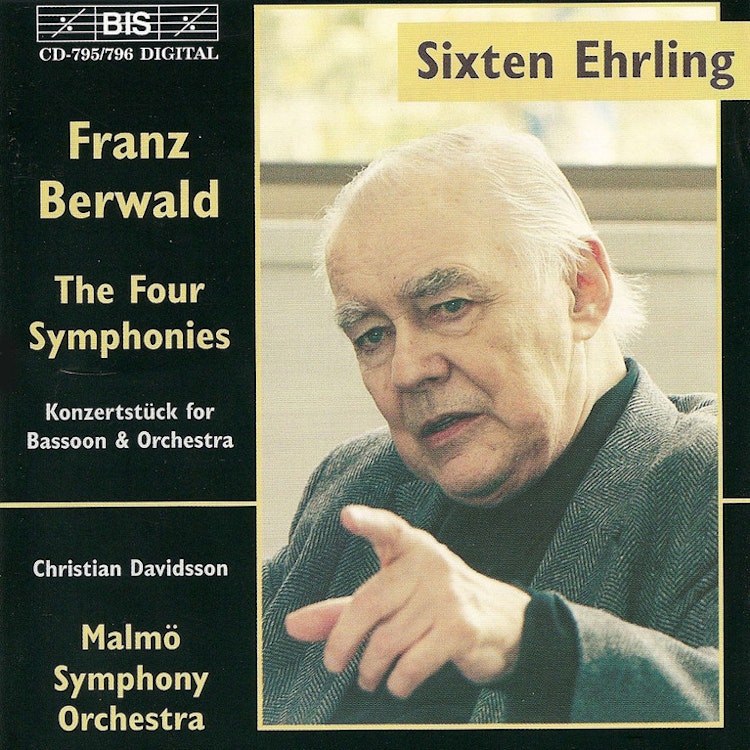
Berwald temporarily abandoned his musical career in 1829 to found a successful orthopaedic institute in Berlin, demonstrating his multi-talented nature.
Critical Reception
Berwald's Sinfonie s6rieuse was the only one of his symphonies he heard performed, receiving an unpleasant review that called it 'incomprehensible' and 'unmusical chaos'.
Composition History
The manuscript for Berwald's Sinfonie capricieuse disappeared shortly after his death, leading the Franz Berwald Foundation to commission a new orchestral score based on a sketch in 1910.
Composition History
Berwald's four finished symphonies were all composed during the first half of the 1840s, which was his most productive decade.
Compositional Technique
Berwald himself called his Sinfonie singuliire 'peculiar' or 'unusual' because he enclosed the scherzo within the slow movement, a technique he also used in other works.
Composer Biography
Franz Adolf Berwald (1796-1868), the composer, was the oldest son in his Swedish father's second marriage and showed musical talent at a very early age, making his debut as a violinist at ten.
Composer Biography
Despite his musical talents, Berwald was passed over for several musical appointments and spent years managing a glassworks and sawmill, only becoming a professor of composition in the last year of his life.
You might also enjoy...
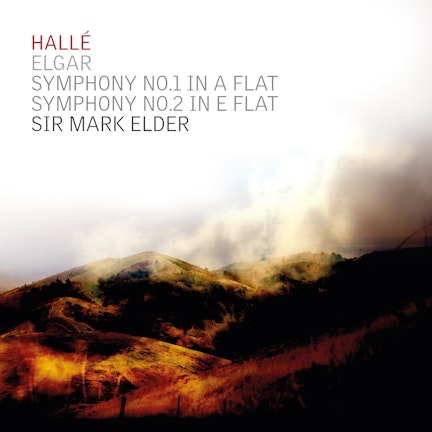
Elgar: Symphony No. 1 in A-Flat Major: I. Andante nobilmente e semplice - Allegro
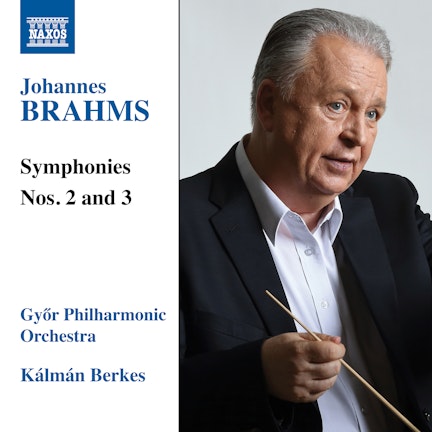
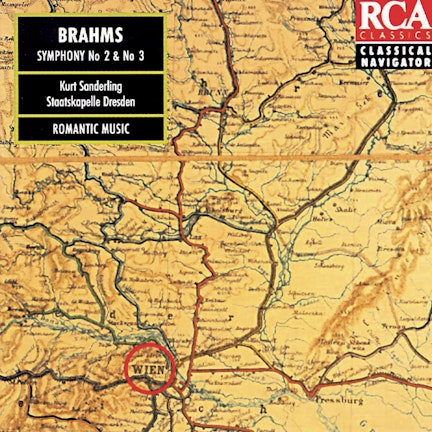
Brahms: Symphonies Nos. 2 & 3
Berlioz: Symphonie fantastique, H. 48: II. Un bal. Valse (Live at Verbier Festival, 2007)
Berlioz: Symphonie Fantastique
Dukas: Symphony in C
Carl Nielsen Symphony no. 1
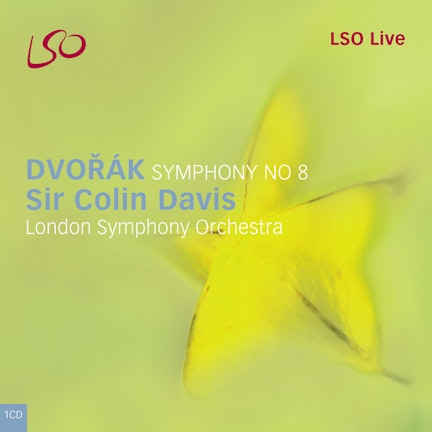
Dvořák: Symphony No. 8
Brahms: Symphonies 2+3
Emilie Mayer: Symphonies Nos. 6 & 3
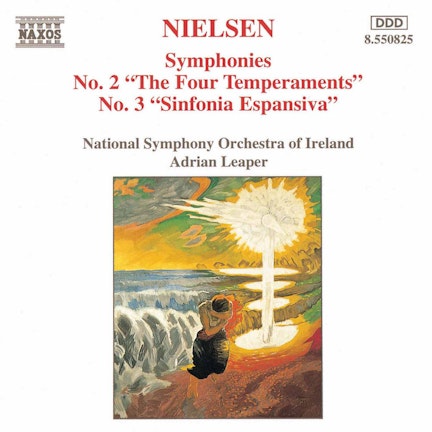
Nielsen, C.: Symphonies Nos. 2 and 3
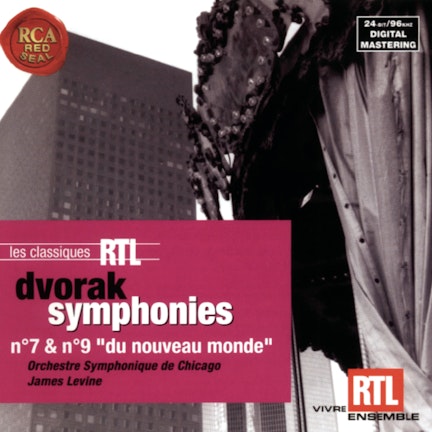
Dvorak: Symphonie No. 9 "Du Nouveau Monde"+ Symphonie No. 7
Brahms: Symphony No. 2 in D Major, Op. 73: III. Allegretto grazioso (Quasi andantino) - Presto ma non assai