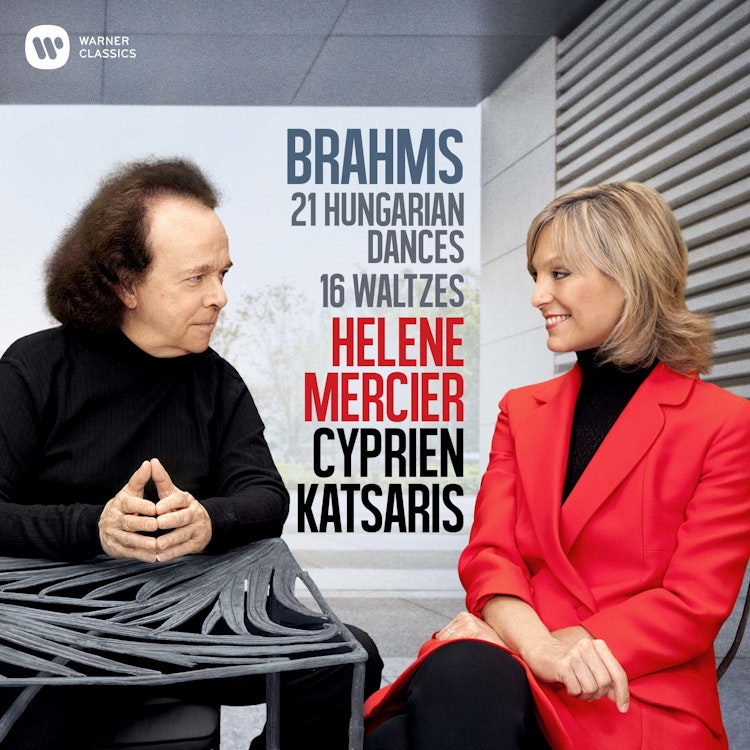
Brahms: 21 Hungarian Dances & 16 Waltzes for Piano Four Hands
8/24/2018, 37 Tracks, 1:10:36
Featuring
Cyprien Katsaris
Hélène Mercier
Johannes Brahms
Did you know?
1/7
Notable Performances
Brahms's 16 Waltzes, Op. 39, were first performed on November 23, 1866, in Oldenburg by Clara Schumann and Albert Hermann Dietrich, a pianist, conductor, composer, and friend of Brahms.
Composition History
Only three of Brahms's 21 Hungarian Dances (Nos. 11, 14, and 16) appear to be original compositions by him; the tune for No. 1 was written by Ferenc Sárközy.
Composition History
Brahms's 21 Hungarian Dances do not have an opus number because he considered them arrangements of popular music.
Composition History
Brahms composed his 16 Waltzes, Op. 39, as an homage to Vienna, the city where he had settled, despite some pieces evoking Hungarian or North German styles.
Composer Biography
Brahms was introduced to popular Hungarian music at age 15 by Hungarian violinist Eduard (Ede) Reményi, whom he accompanied on tour, improvising at the piano.
Composition History
Brahms originally wrote his 21 Hungarian Dances for piano four hands, later transcribing the first ten for solo piano and three for orchestra.
Interpretation
The performers chose to alternate between the Waltzes and Hungarian Dances in a non-traditional order to create unexpected and personal contrasts, aiming for a journey into Brahms's popular music.
You might also enjoy...
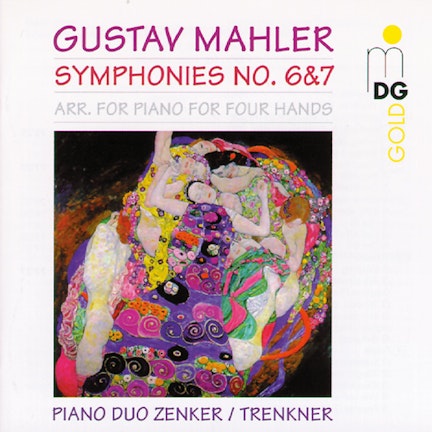
Mahler: Symphony Nos. 6 & 7 (Arranged for Piano 4 Hands)
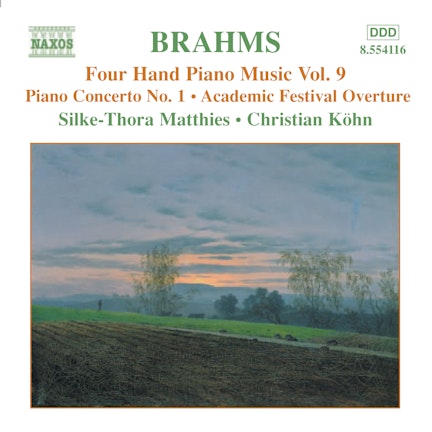
Brahms: Four-Hand Piano Music, Vol. 9
Brahms: Four-Hand Piano Music, Vol. 2
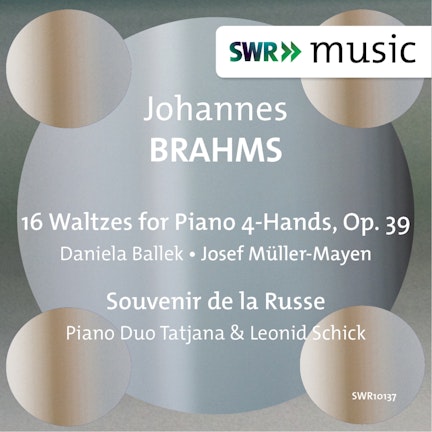
Brahms: 16 Waltzes for Piano 4 Hands & Souvenir de la russe
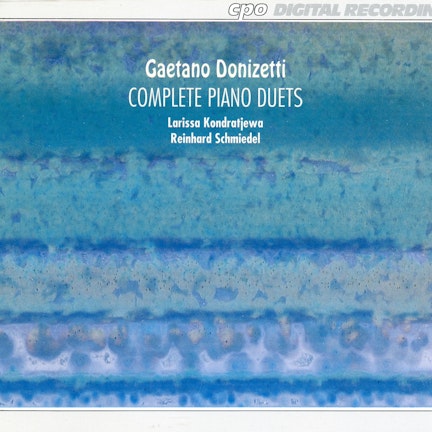
Donizetti: The Complete Piano Duets
Bradshaw & Buono Perform Schubert
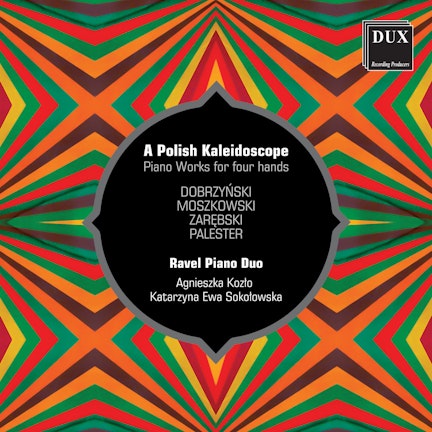
A Polish Kaleidoscope: Piano Works for 4 Hands
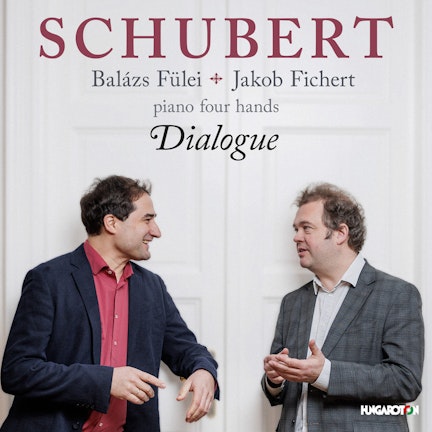
Dialogue
Schubert: Klaviermusik zu 4 Händen Vol. 2
Schumann: Arrangements for Piano Duet, Vol. 3
Schubert: Music for Piano Four Hands
Schubert: Lebensstürme. Music for Piano Four-Hands