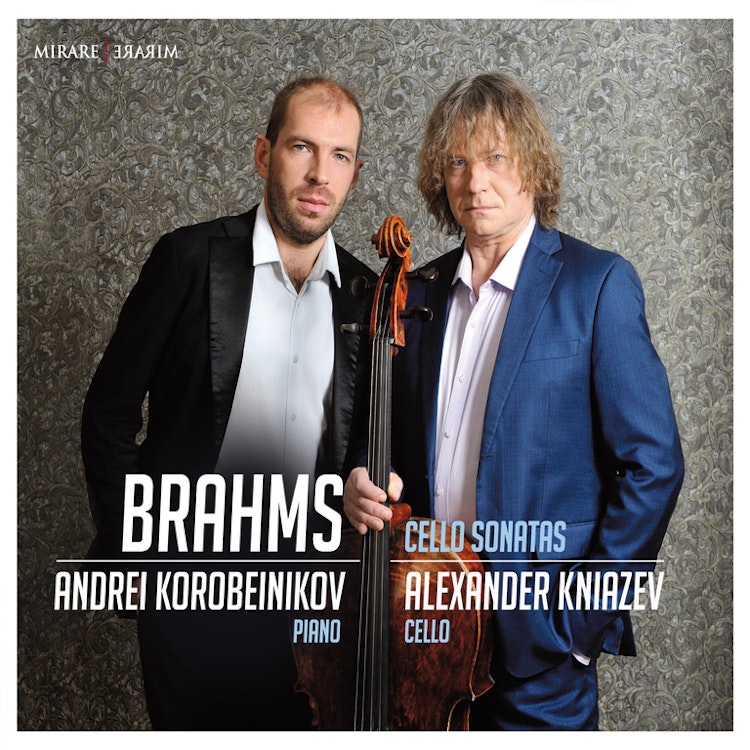
In his Cello Sonata No. 1, Brahms combined sonata form with three themes and a fugal style, reminiscent of Bach's 'The Art of Fugue', for whom Brahms had great admiration.
Composer's Artistic Vision
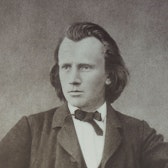
Brahms, like Beethoven before him, achieved a unique balance between inspiration and technical skill in his chamber music, which was a favored form for him.
Composition History
Brahms's Cello Sonatas were composed during a period when the cello was experiencing a widespread vogue, with its 'voluptuously melancholic' sound praised by Berlioz.
Historical Context
Brahms was actively involved in a polemic against the 'music of the future' movement, championed by composers like Liszt and Wagner, and was seen as making Vienna an 'anti-Wagnerian Bastille'.
Performer Biography
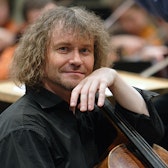
Alexander Kniazev, a leading Russian cellist, was trained at the Moscow Conservatory and also studied organ, winning numerous international competitions.
Composer Biography
Brahms composed his Cello Sonata No. 2 in F major while seeking refuge from the bustle of Vienna on the shores of Lake Thun in Switzerland, a landscape that inspired him.
Performer Biography
Pianist Andrei Korobeinikov graduated from the Moscow Conservatory at age 19 as 'Best Musician of the Decade' and also earned a law degree, publishing legal works.