The E minor sonata by Johannes Brahms, the composer, borrows themes for its outer movements from Bach's Die Kunst der Fuge, making it an homage to Bach.
Composition History
The two cello sonatas by Johannes Brahms, the composer, were written at very different stages of his career, with the E minor sonata from the early 1860s and the F major sonata from 1886.
Compositional Technique
Johannes Brahms's F major sonata features a virtuosic approach to instrumental writing, including an extensive use of tremolo in the first movement that caused 'mild consternation' at the time.
Interpretation
The performers aim to reassess the traditional interpretations of Brahms's music, examining which elements serve the music and which are mannerisms.
Interpretation
The use of continuous vibrato, common today, only became prevalent in the early 20th century and was likely used much more sparingly in Brahms's time.
Instruments
This recording uses a Bösendorfer grand piano from 1882 and an early 19th-century English cello with gut strings to create a sound world different from modern instruments.
Performer Biography
Markus Hohti, the cellist, is equally at home on the Baroque cello and exploring contemporary music, with a passion for playing Romantic music on gut strings, improvisation, and electroacoustic music.
You might also enjoy...
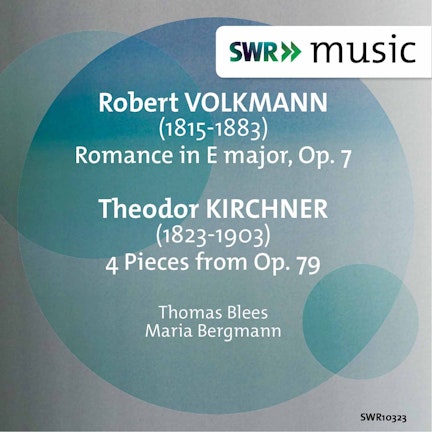
Volkmann: Romanze in E Major, Op. 7 - Kirchner: 8 Pieces for Piano, Op. 79
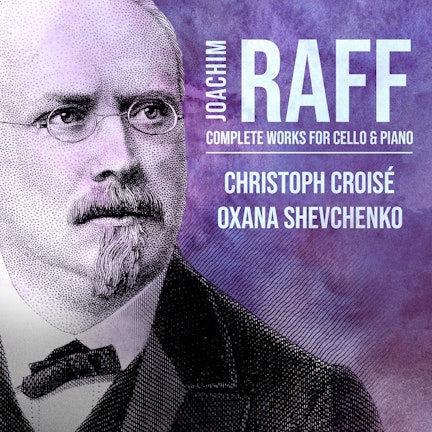
Joachim Raff – Complete Works for Cello & Piano
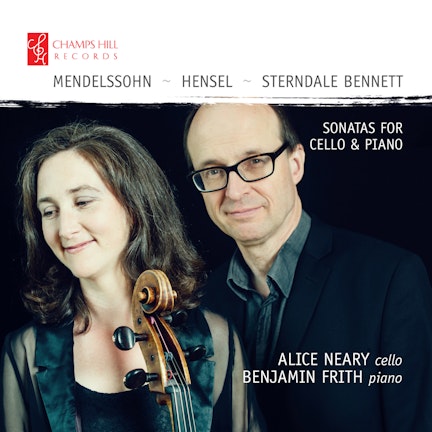
Mendelssohn, Hensel & Sterndale Bennett: Sonatas for Cello & Piano
Malinconia
Mendelssohn: Cello Sonatas; Songs Without Words
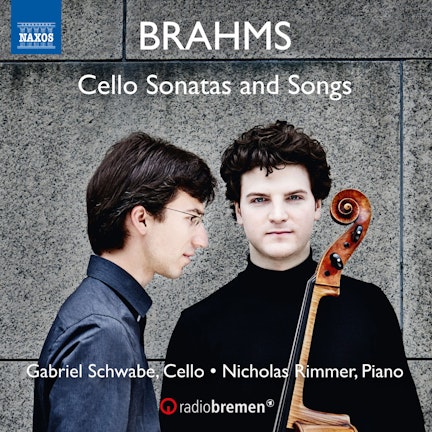
Brahms: Cello Sonatas & Songs
Dvoirak: Silent Woods
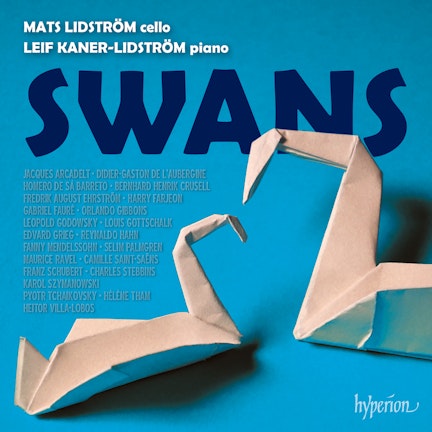
Swans
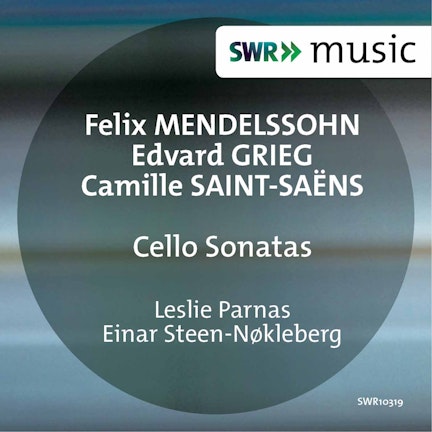
Mendelssohn, Grieg & Saint-Saëns: Cello Sonatas
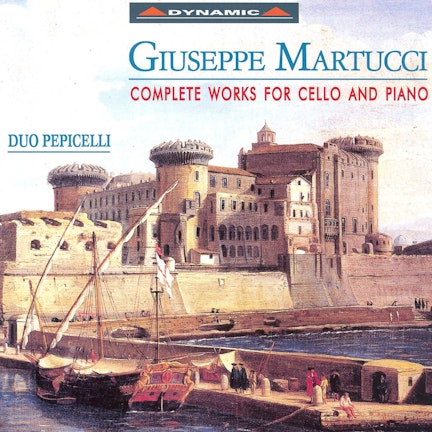
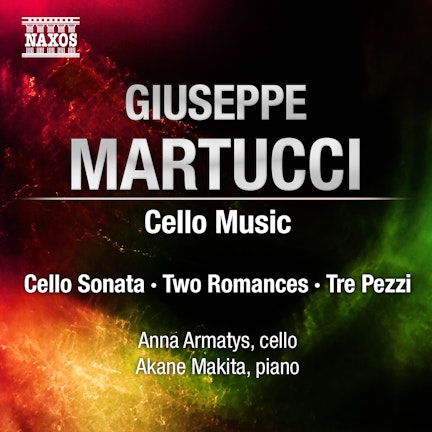
Martucci: Cello and Piano Works (Complete)
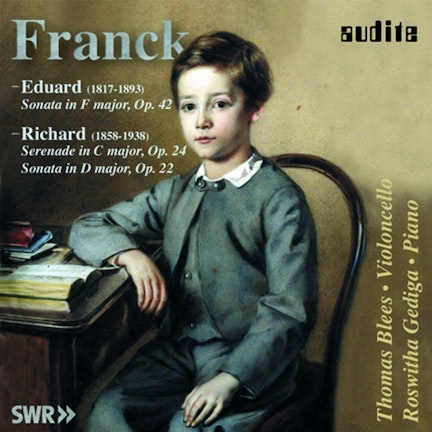
Eduard Franck & Richard Franck: Works for Violoncello and Piano