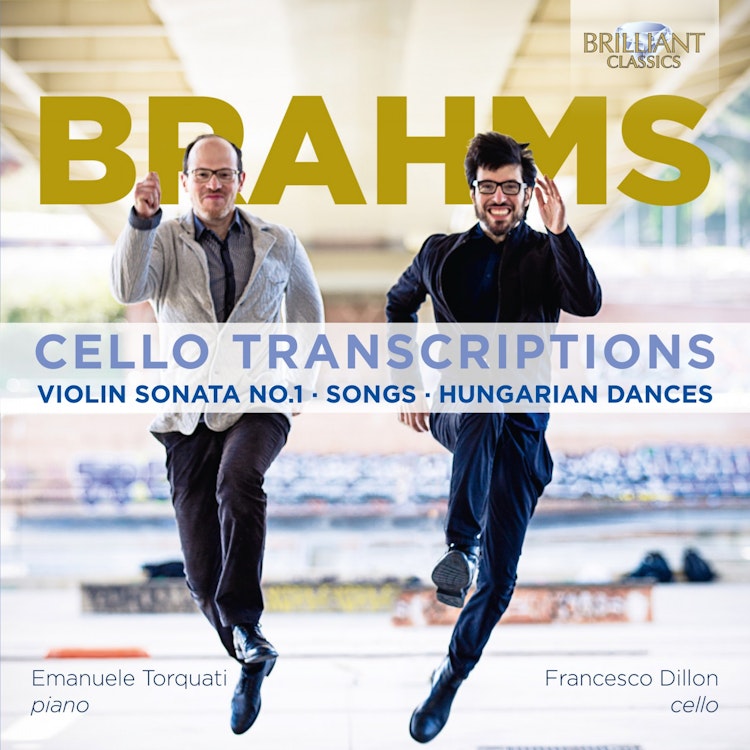
The Hungarian Dances, Brahms's most popular work during the 19th century, were arranged for cello and piano by Alfredo Piatti, the most famous cellist of his time.
Composer's Artistic Vision
Johannes Brahms, the composer, viewed transcription as a 'theft for love,' a sign of respect for tradition, and a form of musical metamorphosis.
Composition History
Paul Klengel, a versatile musician and collaborator of Brahms's publisher Fritz Simrock, transcribed Brahms's Violin Sonata No.1 Op.78 for cello and piano.
Composition History
The transcriptions on this album were mostly published in the 1890s, when Johannes Brahms, the composer, had largely retired from the musical scene.
Performer Biography
Francesco Dillon, the cellist on this recording, is a co-founder of the internationally acclaimed Quartetto Prometeo and a member of the Alter Ego ensemble.
Performer Biography
Emanuele Torquati, the pianist on this recording, has been praised by The New York Times as 'a thoughtful musician and a champion of contemporary music'.
Composition History
Norbert Salter, a cellist admired by Mahler, transcribed a group of six Brahms Lieder for cello and piano, published in 1896 as 'Album'.
You might also enjoy...
The French Album
Au bord du rêve
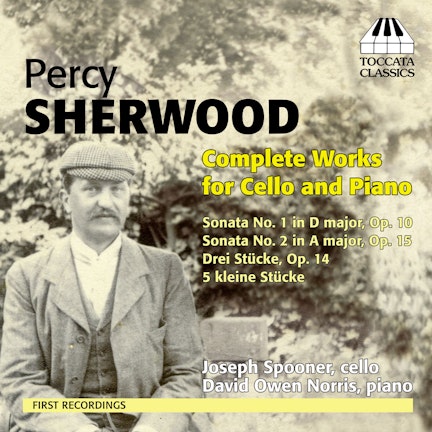
Percy Sherwood: Complete Works for Cello and Piano
Baroque in Blue
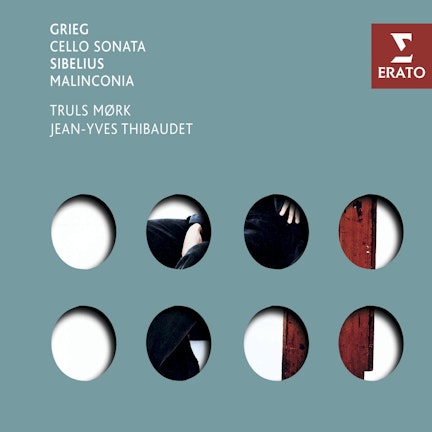
Grieg/Sibelius: Cello Sonatas
¡España! - Songs and Dances from Spain
Shostakovich, Desyatnikov, Shchedrin, Schnittke
Rachmaninov: Cello Works
Our Stories: Contemporary Works by Black and Latinx Composers
From Latin America to Paris - Works for Cello and Piano