The first movement of the F minor sonata avoids repetition, with the clarinet continuing rather than echoing or counterstating the piano's theme, proceeding with dignified, serious energy.
Composition History
These two sonatas, along with the Clarinet Trio in A minor and the Clarinet Quintet in B minor, were inspired by the playing of Richard Mühlfeld, the principal clarinettist of the Meiningen Orchestra.
Compositional Technique
The main theme of the E flat major sonata's first movement stretches comfortably and does not avoid repetition, unlike the F minor sonata, and is more persistent throughout the movement.
Composition History
Brahms's two clarinet sonatas, Op. 120, composed in 1894, were among his last compositions, followed only by the Four Serious Songs and a set of organ chorale preludes.
Compositional Technique
The two sonatas are strongly contrasted in key and mood, and each sonata internally varies its character somewhat unexpectedly.
Composer's Artistic Vision
Brahms had a clear sympathy for the clarinet in his orchestral music, suggesting he might have turned to it even without the influence of Richard Mühlfeld, the clarinettist who inspired these works.
You might also enjoy...
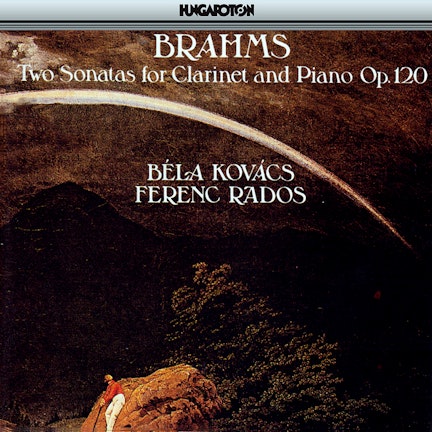
Brahms: Sonata For Clarinet & Piano, Op. 120
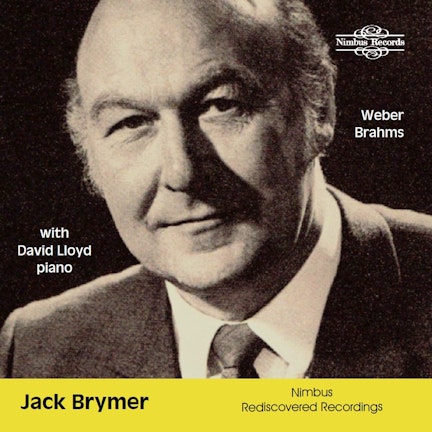
Jack Brymer Rediscovered: Brahms & Weber
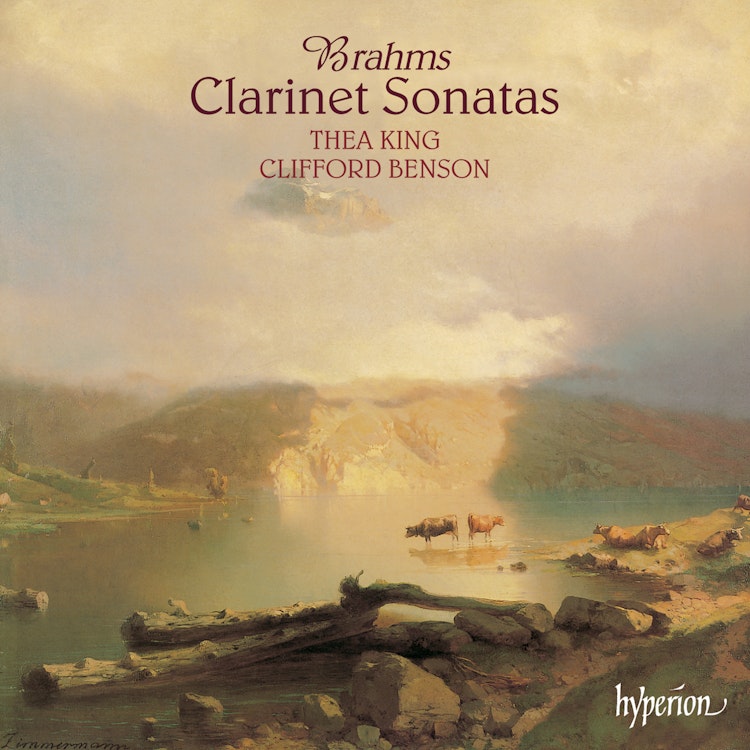
Brahms: Clarinet Sonatas
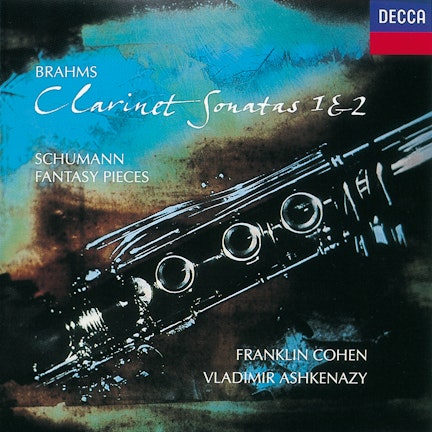
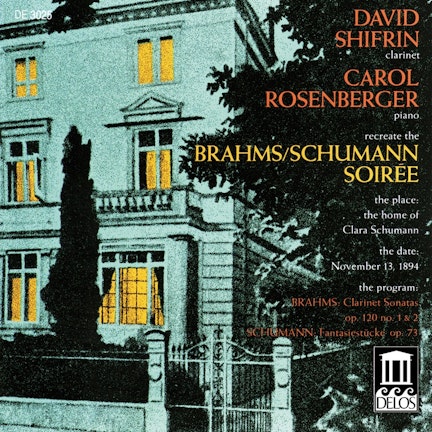
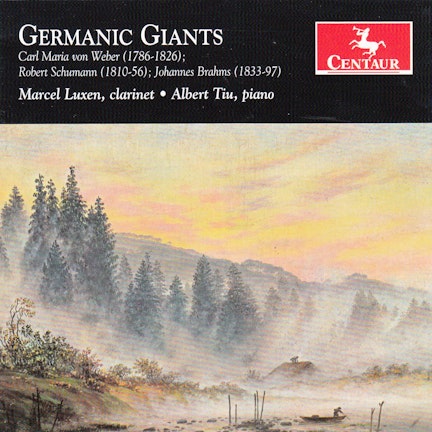
Schumann & Brahms: Pieces for Clarinet & Piano
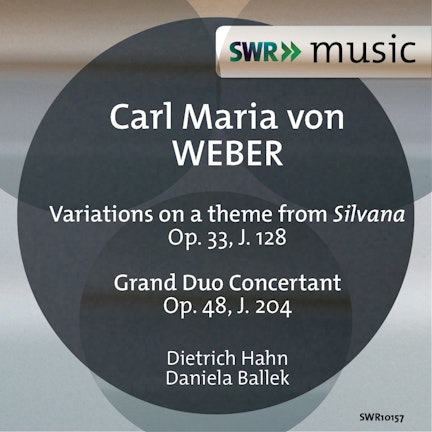
Brahms : Clarinet Sonatas & Weber : Grand duo concertant
Brahms: Clarinet Sonatas, Op. 120 - Weber: Grand duo concertant, Op. 48