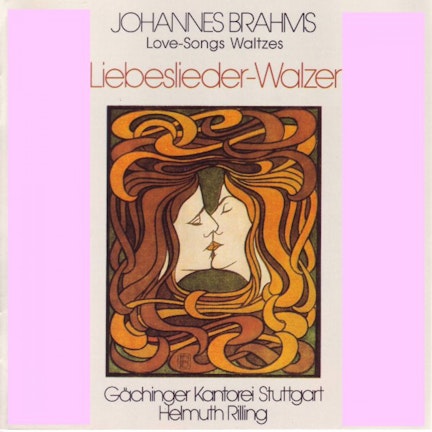
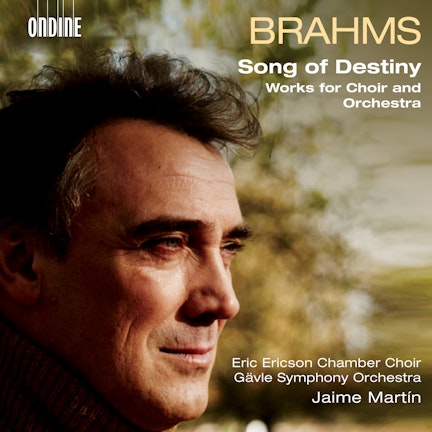
Helmuth Rilling, the conductor, founded the Gächinger Kantorei (choir), the Bach Collegium, and the Bach Academy, and has won numerous international prizes, including two Grammy Awards.
Interpretation
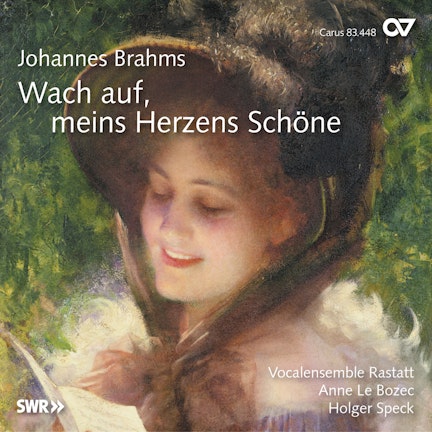
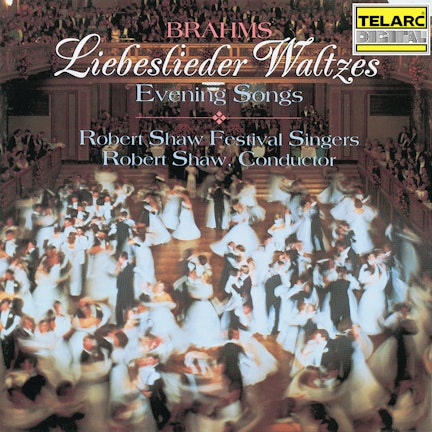
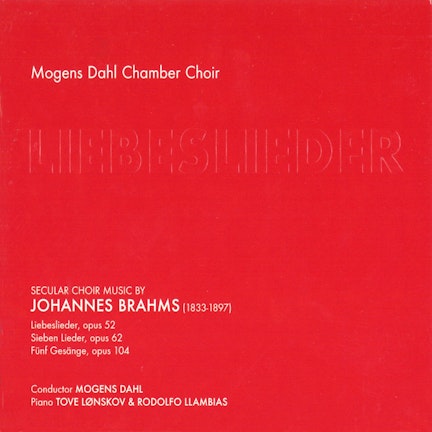
The Liebesliederwalzer, typically sung by four soloists, are performed by a choir on this recording, which gives them a different sound.
Compositional Technique
The first set of Liebesliederwalzer, Op. 52, could be performed without singers, as indicated by "for piano and voice ad libitum."
Composition History
The texts for Brahms's Liebesliederwalzer were taken from the rhyme collection "Polydora" by Friedrich Daumer, a poet of the Biedermeier era.
Compositional Technique
Brahms's Liebesliederwalzer (love-song waltzes) incorporate two key features of Viennese musical tradition: the Viennese waltz and Gypsy music.
Composer Biography
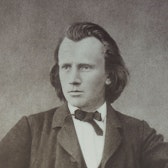
Johannes Brahms, a 'dour North German composer', moved to Vienna in 1862 and lived there for most of his life, becoming friends with 'Waltz King' Johann Strauss the Younger.
Compositional Technique
The final piece in the second set of Liebesliederwalzer, Op. 65, titled "Nun, ihr Musen, genug!" (now, ye muses, enough!), is the only text from Goethe's elegy "Alexis und Dora" and deviates from the waltz rhythm.