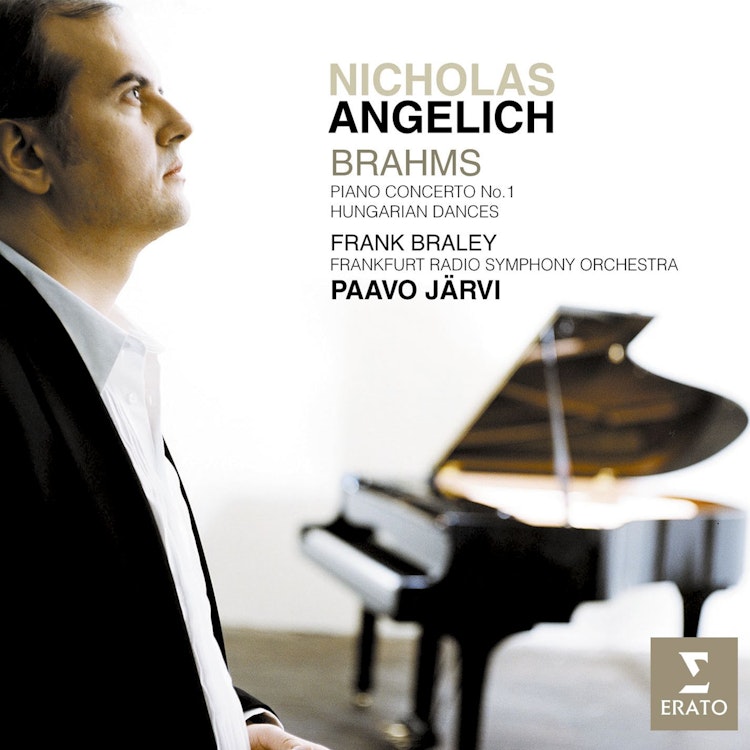
The Hungarian Dances did more to make Brahms famous than all his other works combined, and also made a fortune for their publisher.
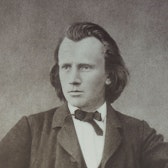
Composer Biography
Johannes Brahms, at 21, was tirelessly promoted by Robert and Clara Schumann, who became staunch friends after their first meeting in 1854.
Composition History
The Piano Concerto No. 1 is marked by the memory of Robert Schumann's attempted suicide and his struggle against madness.
Composition History
Brahms's Piano Concerto No. 1 began as a symphony, then became a sonata for two pianos, before finally taking its present form after Robert Schumann's death in 1856.
Compositional Technique
In Brahms's Piano Concerto No. 1, the soloist does not play 'against' the orchestra but in collaboration with it, unlike many traditional concertos.
Notable Performances
The official premiere of Brahms's Piano Concerto No. 1 in Leipzig on January 27, 1859, was, according to Brahms, 'a resounding fiasco'.
Composer's Artistic Vision
Brahms's Hungarian Dances are based on 'gypsy dances' he discovered in his youth, not authentic Magyar music, which he was unaware of.
You might also enjoy...
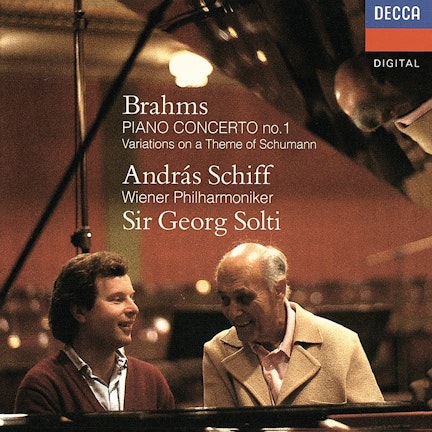
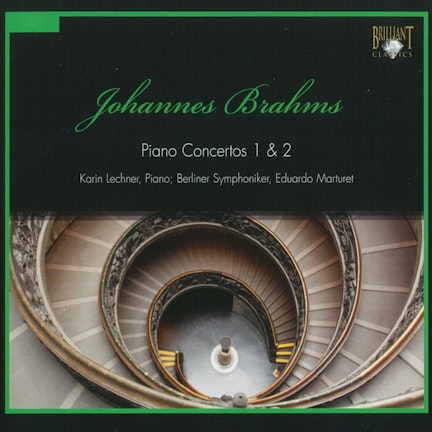
Brahms: Piano Concerto No. 1; Variations on a Theme by Schumann
Brahms: Piano Concerto No. 1; Variations on a Theme by Schumann