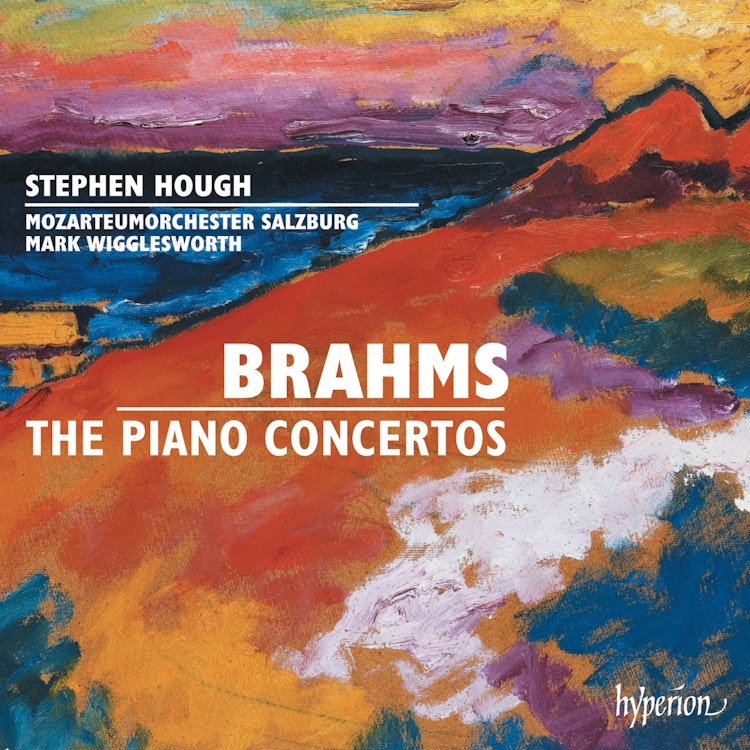
Brahms integrated new ideas into his art, including restless harmonies, involvement with popular and exotic music like the 'Hungarian' style, and rhythmic innovations that anticipated jazz and Stravinsky.
Compositional Technique
In Brahms's piano concertos, the soloist is not always the center of attention but rather a participant in a symphonic dialogue, with a grand and 'two-fisted' keyboard style that is almost orchestral in itself.
Performer Biography
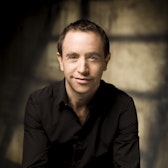
Stephen Hough's recordings have received four Grammy nominations and eight Gramophone Awards, including two 'Record of the Year' awards.
Performer Biography
Mark Wigglesworth, the conductor, won the Kondrashin International Conducting Competition in the Netherlands shortly after leaving the Royal Academy of Music.
Historical Context
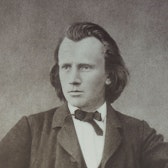
During his lifetime, Johannes Brahms was seen as a conservative composer, using traditional forms and genres, while the future of music seemed to belong to figures like Richard Wagner and Franz Liszt.
Compositional Technique
Brahms's concertos are symphonic in approach and on a grand scale, making them 'alpine epics' compared to the smaller dimensions of concertos by Mozart, Beethoven, Mendelssohn, Schumann, and Dvořák.
Performer Biography
Stephen Hough, the pianist on this recording, was awarded a prestigious MacArthur Fellowship in 2001 for his achievements in music.
You might also enjoy...
Brahms: Piano Concerto No. 2 in B Flat Major, Op. 83: 4. Allegretto grazioso
Moscheles: Piano Concertos Nos. 1, 6 & 7 (Hyperion Romantic Piano Concerto 32)
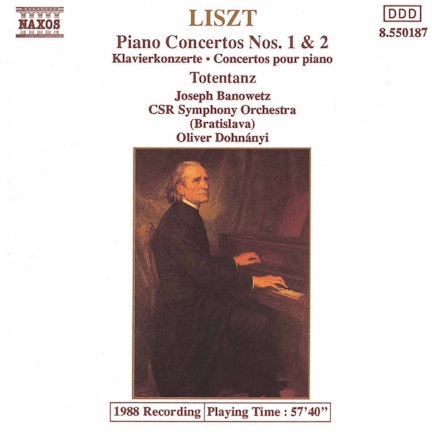
Liszt: Piano Concertos Nos. 1 and 2 / Totentanz
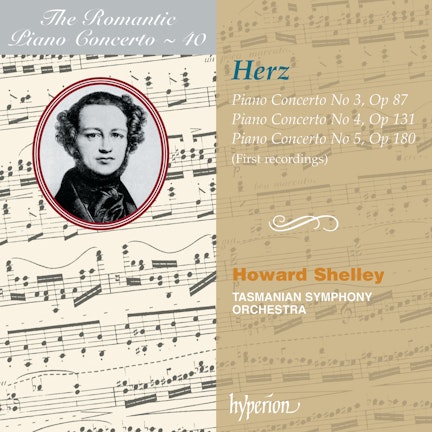
Herz: Piano Concertos Nos. 3, 4 & 5 (Hyperion Romantic Piano Concerto 40)
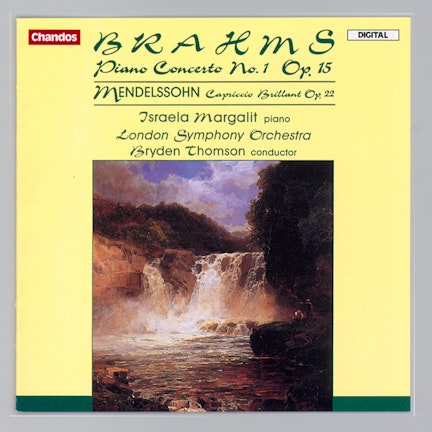
Brahms: Piano Concerto No. 1 - Mendelssohn: Capriccio Brilliant
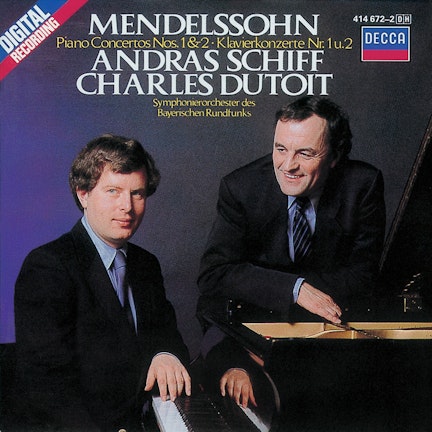
Mendelssohn: Piano Concertos Nos.1 & 2
Kalkbrenner: Piano Concertos Nos. 2 & 3 (Hyperion Romantic Piano Concerto 56)
Liszt: Piano Concertos Nos. 1 & 2; Totentanz
Reinecke: Piano Concertos Nos. 1-4
Brahms : Piano Concerto No.1
Field: Piano Concertos, Vol. 1
Brahms: Piano Concertos
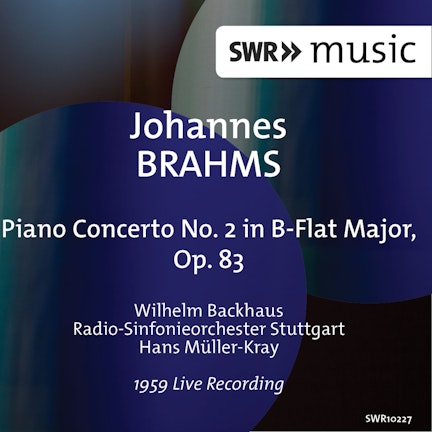
Brahms: Piano Concerto No. 2 in B-Flat Major, Op. 83 (Live)