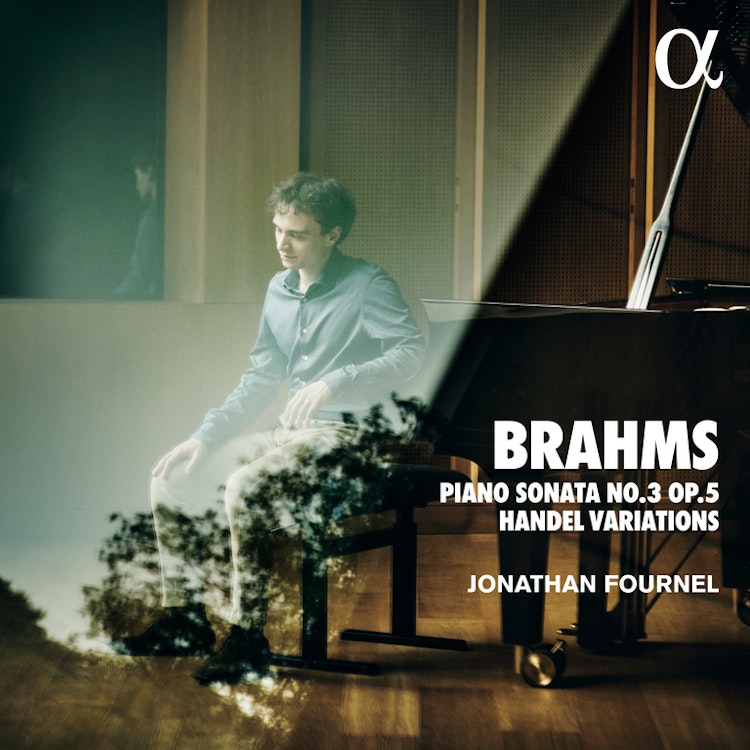
Brahms: Piano Sonata No. 3 Op. 5 & Handel Variations
10/22/2021, 32 Tracks, 1:07:32
Featuring
Jonathan Fournel
Johannes Brahms
Did you know?
1/7
Compositional Technique
The fugue in Brahms's Variations, Op. 24, is a synthesis of the cycle, with a subject that alternates original and inverted forms, and even features a 'three-keyboard registers of a pedal organ' effect.
Composition History
Brahms's Variations, Op. 24, were specially composed for Clara Schumann's birthday on September 13, 1861, and she gave their first performance in Hamburg on December 7.
Recording & Production
This album was recorded in February 2021 at the Théâtre Populaire Romand, Salle de Musique, in La Chaux-de-Fonds, Switzerland.
Compositional Technique
Brahms notably enriches his piano textures with polyphony, giving middle voices melodies that would later become cello and horn parts in his symphonic works.
Composer's Artistic Vision
Brahms's piano writing is musically and technically dense, influenced by his desire to create music that can exist independently without superficial artifice.
Composer Biography
Johannes Brahms, the composer of the works on this album, had already written three sonatas, a scherzo, and several songs by the age of twenty.
Composer Biography
Brahms was involved in the Handel Edition supervised by musicologist Friedrich Chrysander and even arranged Handel's oratorio Saul.
You might also enjoy...
Brahms: Piano Sonata No.3 In F Minor, Op.5; Handel Variations, Op.24
Brahms: Piano Sonata No. 3 - Handel Variations
New Paths
Stenhammar: Piano Music
Brahms: Piano Works
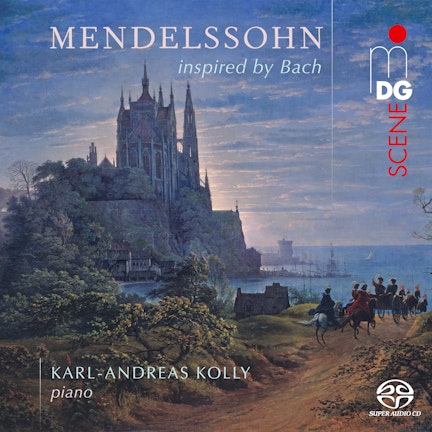
Mendelssohn inspired by Bach
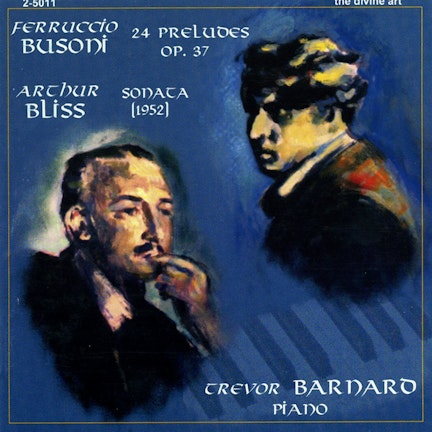
Busoni, F.: 24 Preludes / Bliss, A.: Piano Sonata
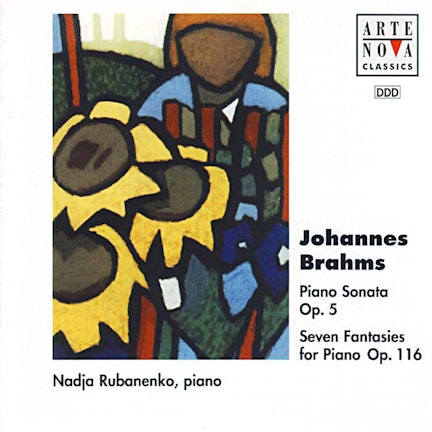
Brahms: Piano Sonata Op. 5 & 7 Fantasien, Op. 116
Escale en Nouvelle-Angleterre
Brahms: Piano Sonata, Op. 5 & Piano Fantasies, Op. 116
Brahms: Sonata in F Minor, Op. 5 & Two Rhapsodies, Op. 79