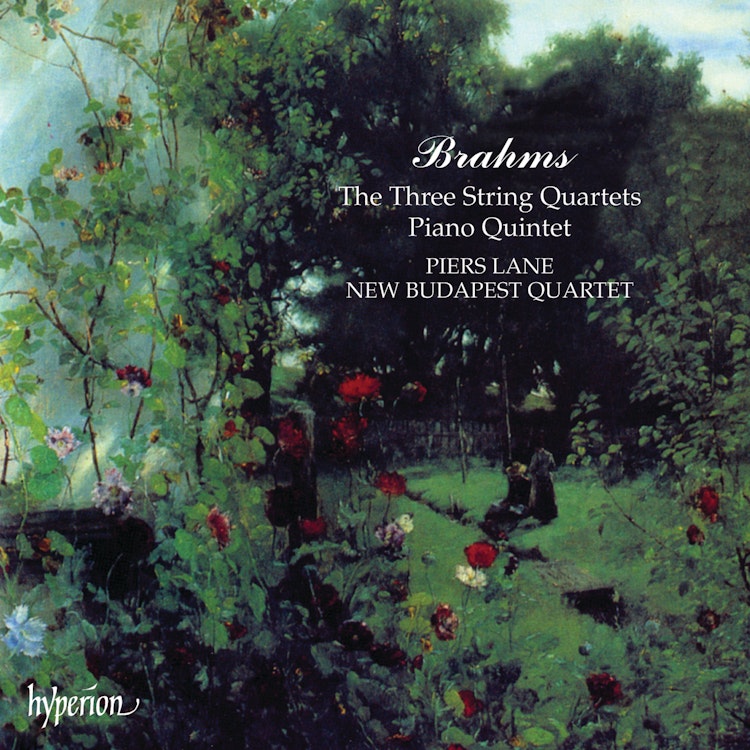
Brahms's Piano Quintet in F minor, Op. 34, underwent two transformations, initially conceived with two cellos, then as a sonata for two pianos, before reaching its final form.
Composition History
Brahms was highly self-critical, refusing to publish his String Quartets until his fifth decade, despite experimenting with the form for twenty years.
Composition History
The Op. 51 String Quartets might never have been completed without the constant encouragement of Joseph Joachim, a violinist and friend of Brahms.
Composition History
Clara Schumann, a brilliant pianist and teacher, suggested the compromise solution of combining percussive piano with expressive strings for Brahms's Piano Quintet, Op. 34.
Compositional Technique
The String Quartet in A minor, Op. 51 No. 2, extensively uses canonic procedures and incorporates Joseph Joachim's personal motto, F A E ('Frei aber einsam' - 'free but alone').
Composer Biography
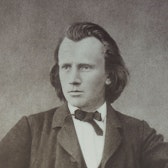
Johannes Brahms, the composer, saw himself as an inheritor of a long classical tradition and kept a large bust of Beethoven in his study.
Notable Performances
Brahms dedicated his Op. 51 Quartets to amateur musician and surgeon Theodore Billroth, and they were first performed at Billroth's home in Vienna.
You might also enjoy...
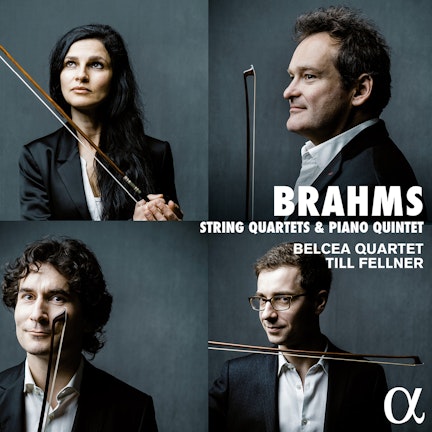
Brahms: String Quartets & Piano Quintet
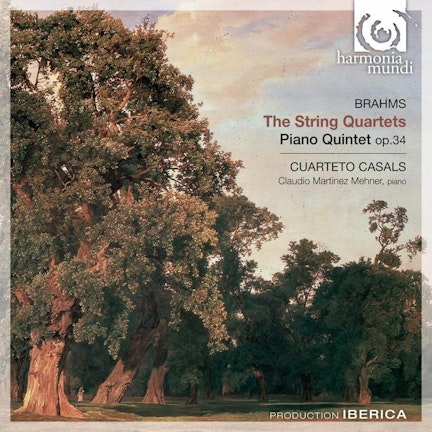
Brahms: The String Quartet & Piano Quintet, Op. 34
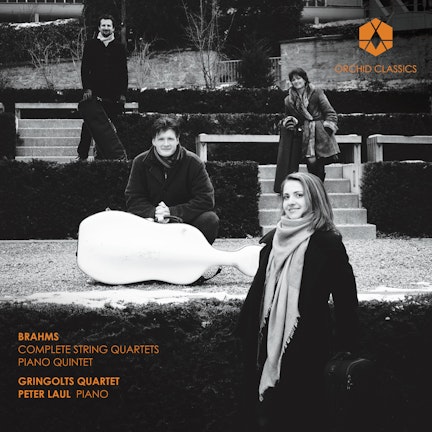
Brahms: Complete String Quartets & Piano Quintet
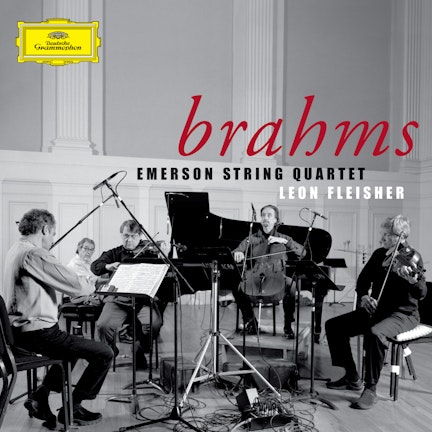
Brahms: The Three String Quartets, Op. 51 & Op. 67; Piano Quintet in F minor, Op. 34 [Great Performances]
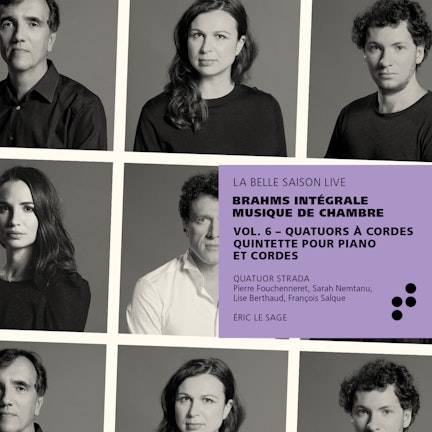
Brahms: Quatuors à cordes, quintette pour piano et cordes (Intégrale musique de chambre), Vol. 6
Brahms: String Quartets & Piano Quintet
Brahms: The Three String Quartets And Clarinet Quintet