Brahms believed that his music should not be played with heaviness, a lack of flexibility in tempo and dynamics, or too much vibrato, contrary to some modern interpretations.
Compositional Technique
Brahms's Symphony No. 4 concludes with a passacaglia or chaconne, a Baroque variation form that fascinated him, featuring 30 variations on an eight-bar theme.
Performer Biography
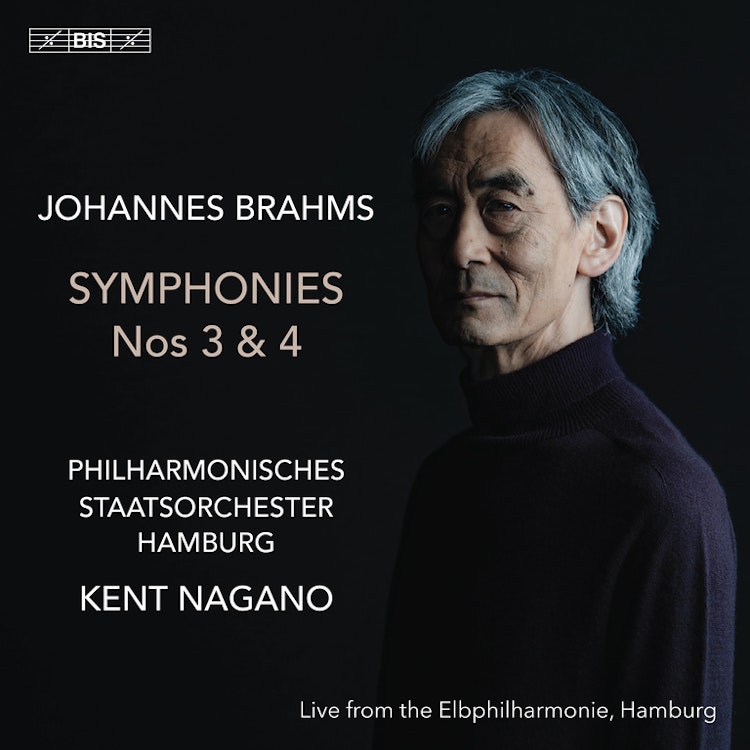
Kent Nagano, the conductor on this recording, was Generalmusikdirektor and principal conductor of the Hamburg State Opera and the Hamburg Philharmonic State Orchestra from 2015 to 2025.
Interpretation
Brahms and his contemporaries indicated that tempi could be set more freely than a metronome suggests, allowing for flexibility in phrasing, vibrato, and even portamento.
Historical Context
Hamburg has a rich musical tradition, influenced by figures like Handel, Telemann, C.P.E. Bach, the Mendelssohn family, Brahms, Mahler, Ligeti, and Gubaidulina.
Composition History
Brahms struggled with the idea of composing symphonies due to the overwhelming legacy of Beethoven, famously stating, "I shall never compose a symphony! You have no idea how someone like me feels when constantly hearing such a giant marching behind me."
Composer Biography
Johannes Brahms, born in Hamburg, began his career as a pianist and composer there, significantly influencing the city's musical tradition.
You might also enjoy...
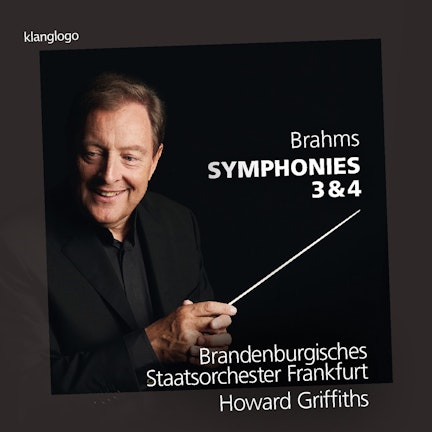
Brahms: Symphonies No. 3 & No. 4
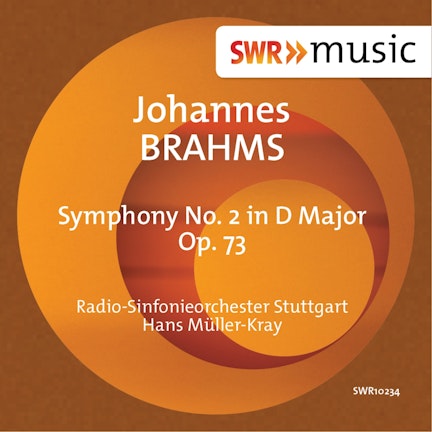
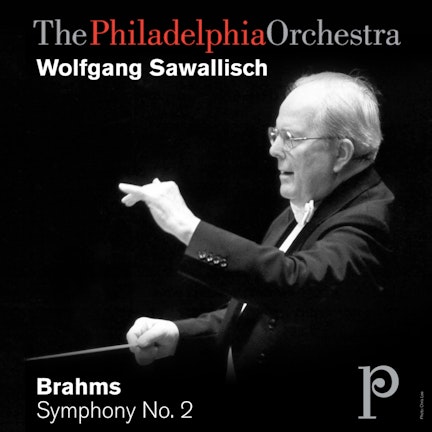
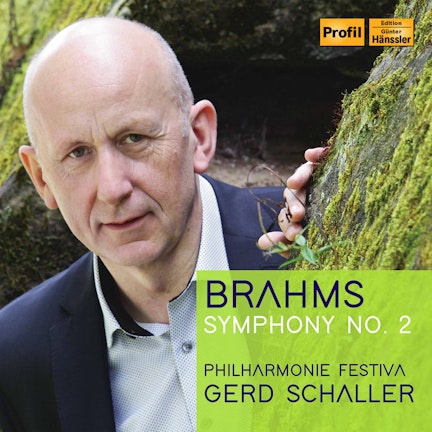
Brahms: Symphony No. 2 in D Major, Op. 73
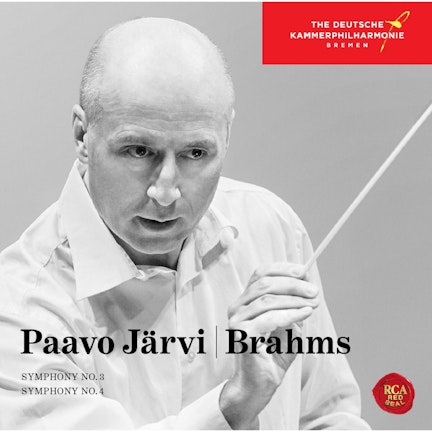
Johannes Brahms: Symphonies 3 & 4
Brahms: Symphony No. 2
Brahms: Symphony No. 2 in D Major, Op. 73 (Live)
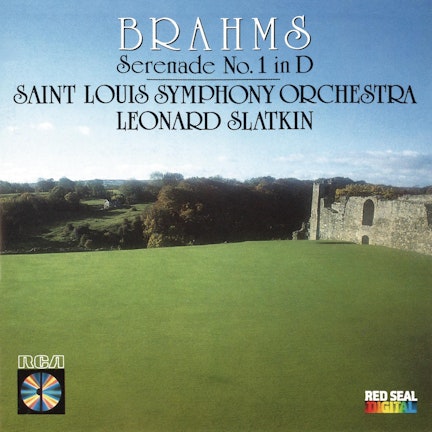
Brahms: Serenade No. 1 in D Major, Op. 11
Brahms: Sinfonie No. 3
Brahms: Symphonies Nos. 3 & 4
Elbphilharmonie First Recording - Brahms: Symphonies Nos. 3 & 4