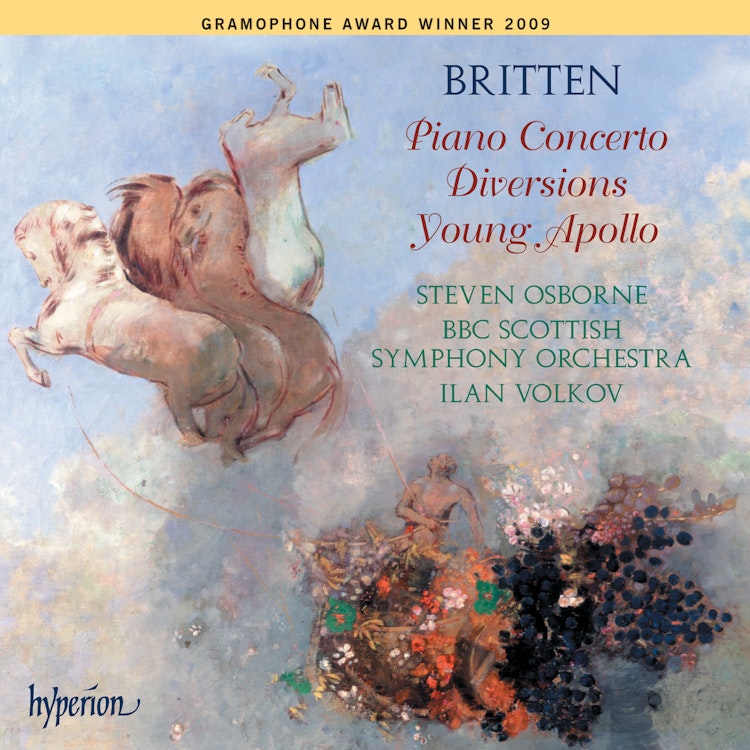
The work Young Apollo was commissioned by the Canadian Broadcasting Corporation as a 'fanfare' for piano, string quartet, and string orchestra.
Historical Context
The repertoire of left-hand piano concertos in the 20th century originated from Paul Wittgenstein, a Viennese musician who lost his right arm in World War I and commissioned works for his left hand.
Composer Biography
Benjamin Britten, the composer, decided to move to the United States in early 1939 with his life-time partner and inspirer, the tenor Peter Pears.
Compositional Technique
Britten's Piano Concerto in D major is unusual for being in four movements, a break from tradition, and for its movements having descriptive titles like Toccata, Waltz, and March.
Composition History
Britten's three works for solo piano and orchestra on this album were written within a short period of two-and-a-half years, from February 1938 to August 1940.
Composer's Artistic Vision
Britten often revised his early works, including replacing a movement in his Piano Concerto and withdrawing Young Apollo from his list of works, a process the booklet calls 'Critical Recomposition'.
Composition History
Britten was the third composer in the 1930s to write two full-scale piano concertos at roughly the same time, with one of them being for the left hand alone, following Ravel and Prokofiev.
You might also enjoy...
Clara Schumann: Piano Concerto & Works by Hiller, Herz & Kalkbrenner (Hyperion Romantic Piano Concerto 78)
Vaughan Williams: Piano Concerto - Foulds: Dynamic Triptych
Oswald & Napoleão: Piano Concertos (Hyperion Romantic Piano Concerto 64)
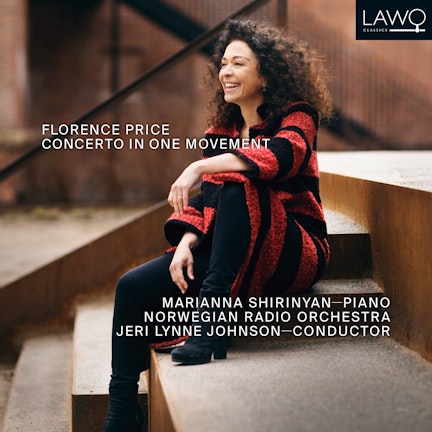
Concerto in One Movement
J.S. Bach: Keyboard Concerto in F Minor, BWV 1056: II. Largo
Scharwenka: Piano Concertos Nos. 2 & 3 (Hyperion Romantic Piano Concerto 33)
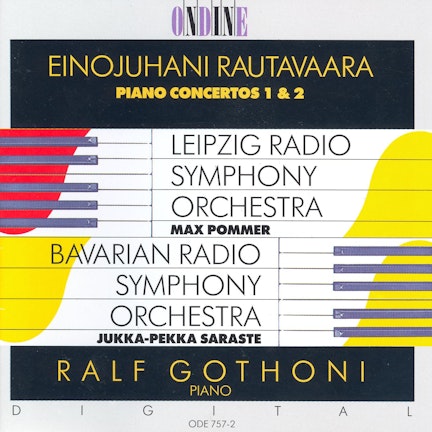
Rautavaara, E.: Piano Concertos Nos. 1 and 2
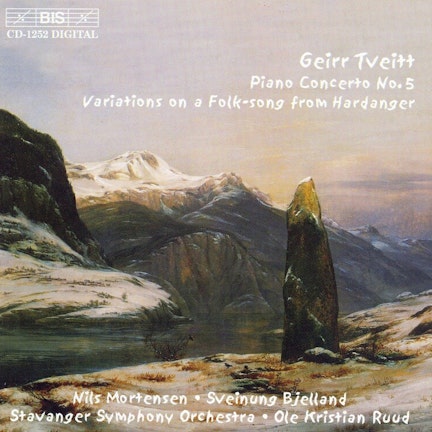
Tveitt: Piano Concerto No. 5 / Variations On A Folk-Song From Hardanger
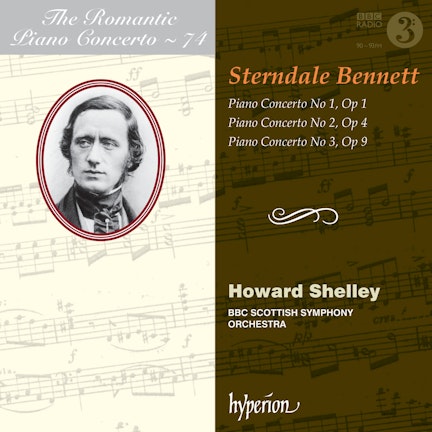
Sterndale Bennett: Piano Concertos Nos. 1-3 (Hyperion Romantic Piano Concerto 74)
War Silence - Rare Italian Piano Concertos
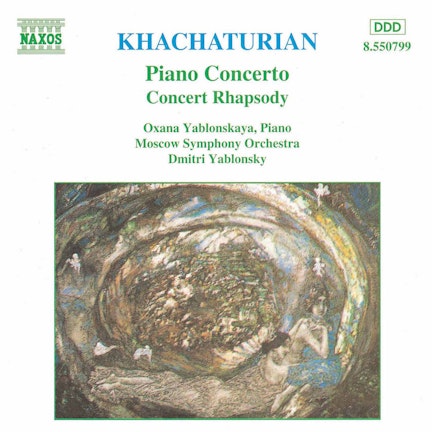
Khachaturian, A.I.: Piano Concerto / Concert Rhapsody
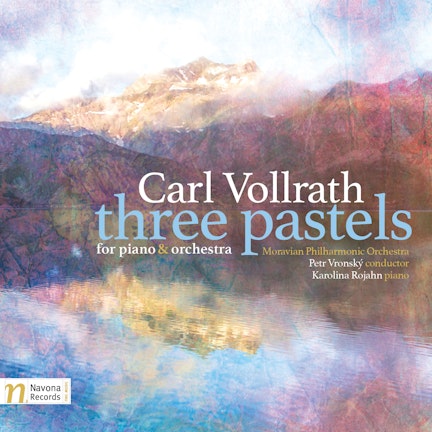
Vollrath: 3 Pastels for Piano & Orchestra
Busoni: Piano Concerto in C Major (Hyperion Romantic Piano Concerto 22)
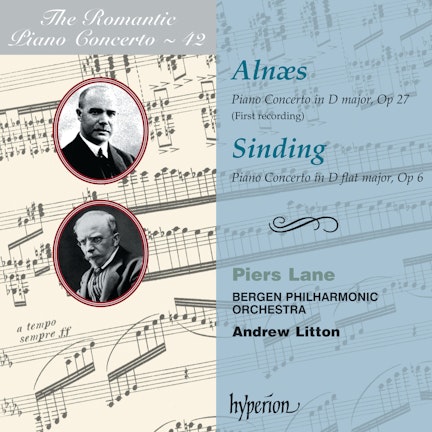
Alnæs & Sinding: Piano Concertos (Hyperion Romantic Piano Concerto 42)