Britten: Spring Symphony - Welcome Ode - Psalm 150
7/2/2015, 18 Tracks, 58:47
Featuring
Elizabeth Gale
Alfreda Hodgson
Martyn Hill
Richard Hickox
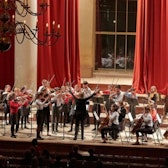
London Symphony Orchestra
Southend Boys' Choir
London Symphony Chorus
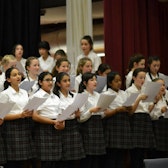
City of London School for Girls Senior Choir
City of London School Senior Choir
City of London School for Girls Orchestra
City of London School for Girls Junior Choir
City of London School Junior Choir
Benjamin Britten
Did you know?
1/7
Composer's Artistic Vision
Britten initially considered using medieval Latin verse for the Spring Symphony but changed his mind after re-reading English lyric verse and experiencing a beautiful spring day in East Suffolk.
Composer Biography
Before World War II, Benjamin Britten was primarily known for his orchestral works, though his reputation as a vocal composer grew significantly after his 1943 Serenade for tenor, horn and strings.
Compositional Technique
For Psalm 150, Britten left the instrumentation flexible, stating, 'The more instruments there are, the merrier, but care should be taken not to swamp the voices.'
Performer Biography
Richard Hickox, the conductor on this album, was a highly gifted British conductor who founded the City of London Sinfonia and made over 280 recordings, earning a Grammy and five Gramophone Awards.
Composition History
Britten's Psalm 150 was commissioned by his former preparatory school, Old Buckenham Hall School, for its centenary celebration in 1962.
Compositional Technique
The Spring Symphony's scoring was considered revolutionary at the time, with Britten using specific instrument combinations and effects, like sul ponticello, to create a wide range of 'sound-colour'.
Composition History
Britten's Spring Symphony was commissioned by the Koussevitsky Music Foundation for Serge Koussevitsky and The Boston Symphony Orchestra, though its premiere was in Amsterdam.
You might also enjoy...
Schein: Fontana d'Israel (Excerpts)
Davis: Magnificat: IV. Deposuit
McEwen: Hymn on the Morning of Christ's Nativity
Brahms: Gesang der Parzen
Carr: Awakening
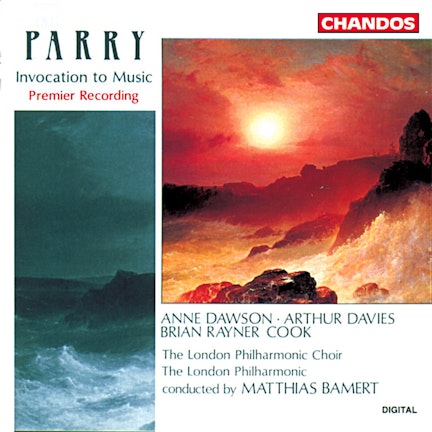
Parry: Invocation To Music
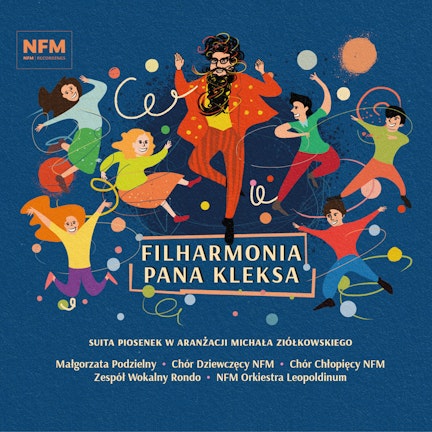
Mr Kleks' Philharmonic
Jonathan Dove: Sappho Sings
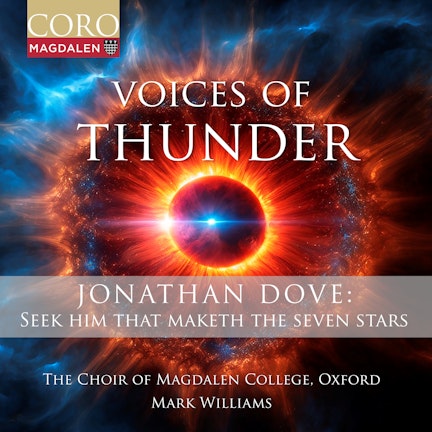
Seek Him That Maketh The Seven Stars
Harvey: Kyrie - A Collection of Original Choral Music
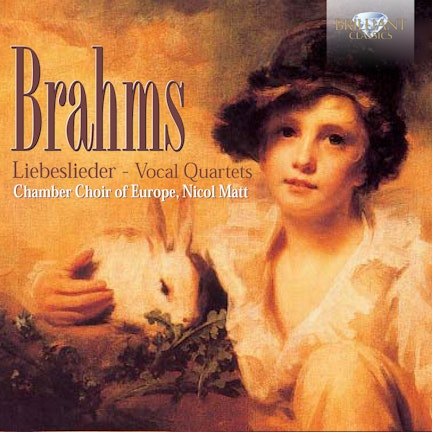
Brahms: Liebeslieder
Rautavaara: Rubáiyát, Balada, Canto V & 4 Songs from Rasputin
Britten: Spring Symphony / Welcome Ode / Psalm 150
Parry: Invocation To Music / The Soul's Ransom / The Lotos-Eaters / Blest Pair of Sirens