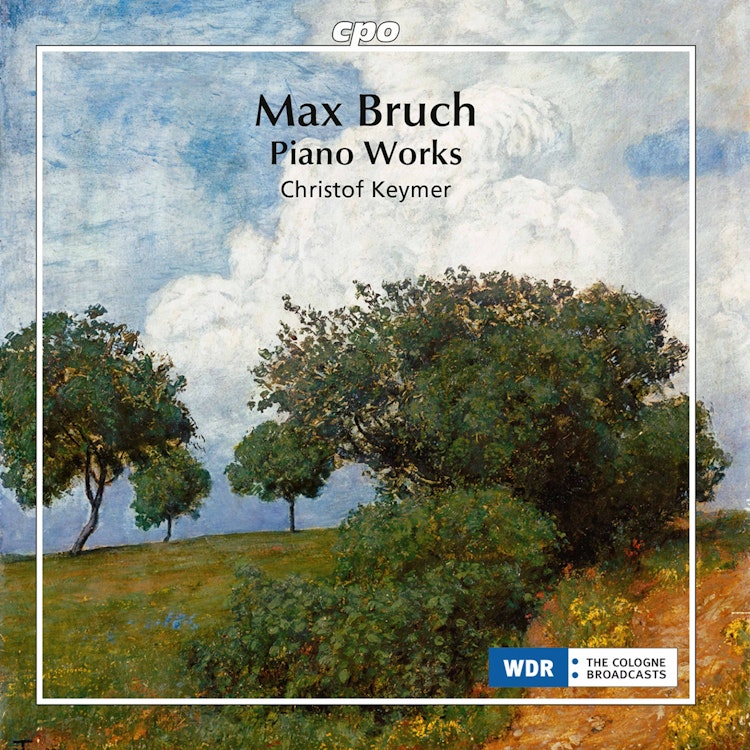
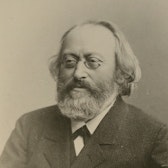
Max Bruch, the composer, believed that a good folk melody was more valuable than 200 'art melodies' and that folk music was unmatched in affection, power, originality, and beauty.
Composer Biography
Bruch used the piano extensively as a conductor, not as a concert instrument, but for rehearsals, studying parts with singers, and sight-reading complex orchestral scores.
Composer Biography
Bruch, despite his reservations about the piano, was an outstanding and successful pianist, often performing piano parts in chamber music and accompanying singers.
Historical Context
During the economic hardship of World War I, Bruch earned income by making piano rolls, which were recordings of his performances that could be replayed on suitable pianos.
Cultural Impact
Bruch's Swedish Dances, originally for violin and piano, were orchestrated and arranged for piano, aiming to achieve the popularity of Brahms's Hungarian Dances and Dvořák's Slavonic Dances.
Performer Biography
Christof Keymer, the pianist on this recording, has released double albums of complete piano transcriptions by Moritz Moszkowski and complete piano works by Hermann Goetz, and edited previously unpublished works by Goetz.
You might also enjoy...
The Late Recordings, Vol. 2 (1947-1949)
Entremont Plays Romantic Music of Tchaikovsky
Rachmaninov: Variations On A Theme of Chopin / Preludes
Great Piano Transcroptions
Idylle
Sibelius: Complete Piano Transcriptions, Vol. 2
Albeniz: Works for Piano
John Bryden plays Schubert
Granados: Piano Music, Vol. 2
Carnaval. A recital around Schumann's Carnaval, Op. 9
Warzycki: Piano Music for the Left Hand
Piano Music for the Left Hand
2025 Cliburn Competition: Chaeyoung Park - Quarterfinal Round (Live)