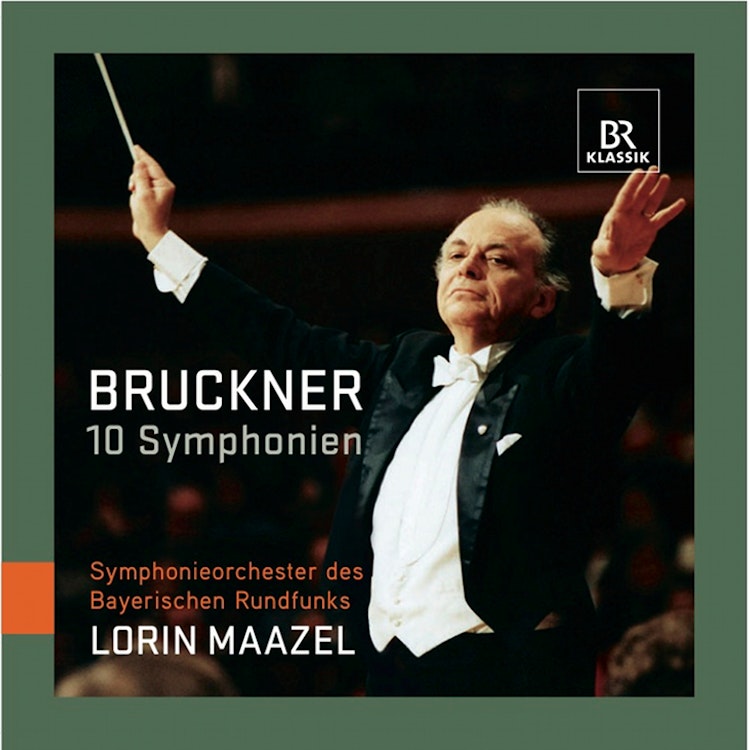
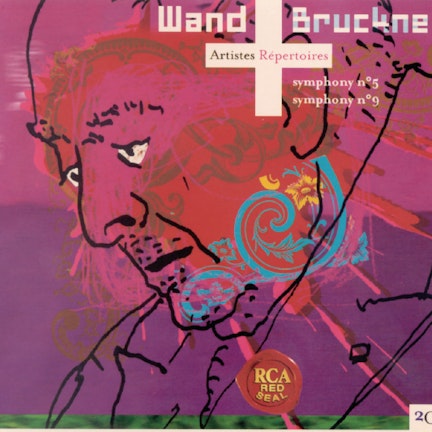
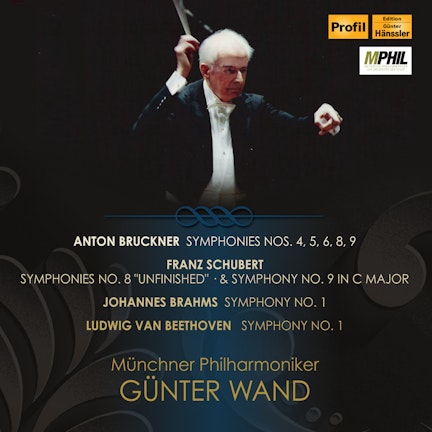
This album is part of a Bruckner cycle performed by the Symphonieorchester des Bayerischen Rundfunks under Lorin Maazel from January to March 1999.
Compositional Technique
Bruckner's Fifth Symphony uniquely blends sonata form and organ fantasy in its finale, featuring a wind chorale that leads into one of the grandest orchestral fugues of the 19th century.
Composition History
Bruckner's D minor symphony, composed in 1869, was withdrawn after conductor Otto Dessoff questioned the absence of a clear main theme, and was later posthumously called the Symphony No. Zero.
Interpretation
Lorin Maazel, the conductor on this album, adheres to the traditional Bruckner style with broad tempi and a lush sound, while also focusing on inner structures and details.
Historical Context
Bruckner's Seventh Symphony was inspired by the Ringtheater fire in Vienna in 1881, which killed 386 people, and the death of Richard Wagner in 1883, for whom Bruckner composed a memorial in the Adagio.
Composer's Artistic Vision
Bruckner's Fourth Symphony, the 'Romantic Symphony', is inspired by images and scenes, with the composer himself suggesting specific programmatic elements like a medieval town coming to life or a nocturnal pilgrims' march.
Composer Biography
Bruckner's first symphony, in C minor, was premiered on May 9, 1868, in Linz, where he had served as cathedral organist for twelve years.