The melody for the first movement of Bruckner's Seventh Symphony reportedly came to him in a dream, but he needed 15 more months to complete the opening section.
Composer Biography
Anton Bruckner's compositional activity was awakened in 1863 by a performance of Richard Wagner's opera, Tannhäuser.
Critical Reception
The first performance of the Seventh Symphony in Leipzig was met with cautious goodwill, but the second performance in Munich three months later was a great success, bringing Bruckner long-awaited recognition at age 60.
Composition History
Bruckner added a 35-measure coda to the Adagio after receiving a telegram about Richard Wagner's death in Venice, quoting 'non confundar in aeternum' from his Te Deum as a farewell.
Instruments
The Adagio movement of the symphony features four Wagner tubas, a brass instrument developed for Richard Wagner with a veiled sound between a horn and a trombone.
Composer's Artistic Vision
Bruckner's strong religious faith explains his tendency towards monumentality in his symphonies, which reduce the individual to something insignificant at the mercy of immensity and divine omnipotence.
You might also enjoy...
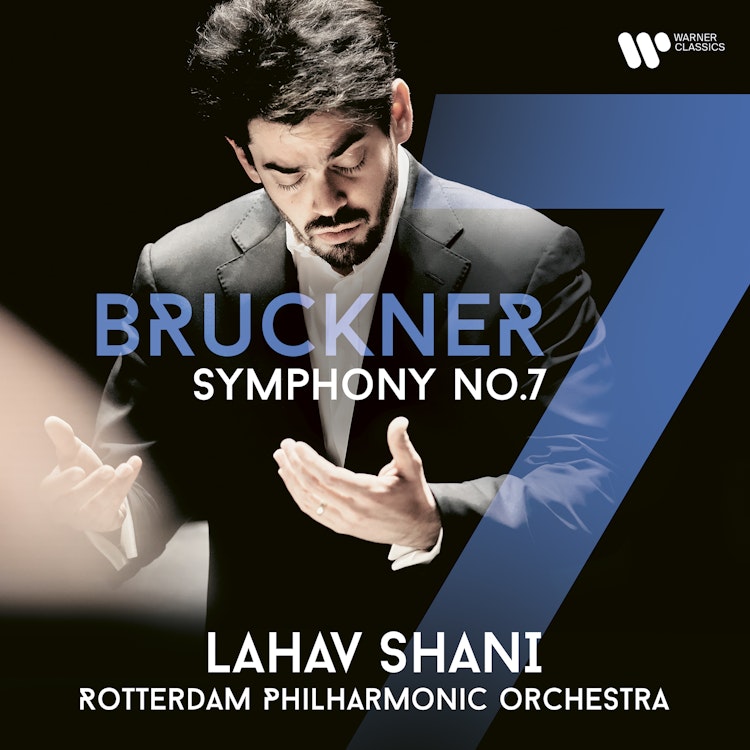
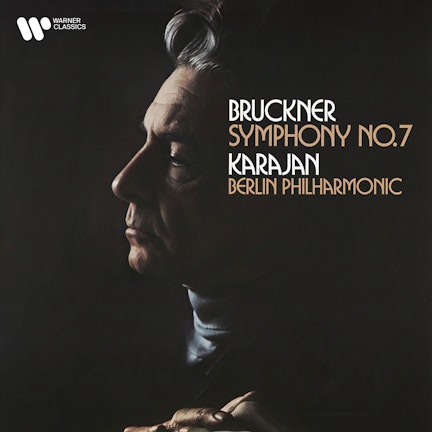
Bruckner: Symphony No. 7 in E Major, WAB 107 (1885 Version, Ed. A. Gutmann)
Bruckner: Symphony No. 5 (1878 Version)
Bruckner: Symphony No. 5
Bruckner: Symphony No. 5
Bruckner: Symphony No. 4 "Romantic" (1881 Version) [Live at Philharmonie am Gasteig, Munich, 1988]