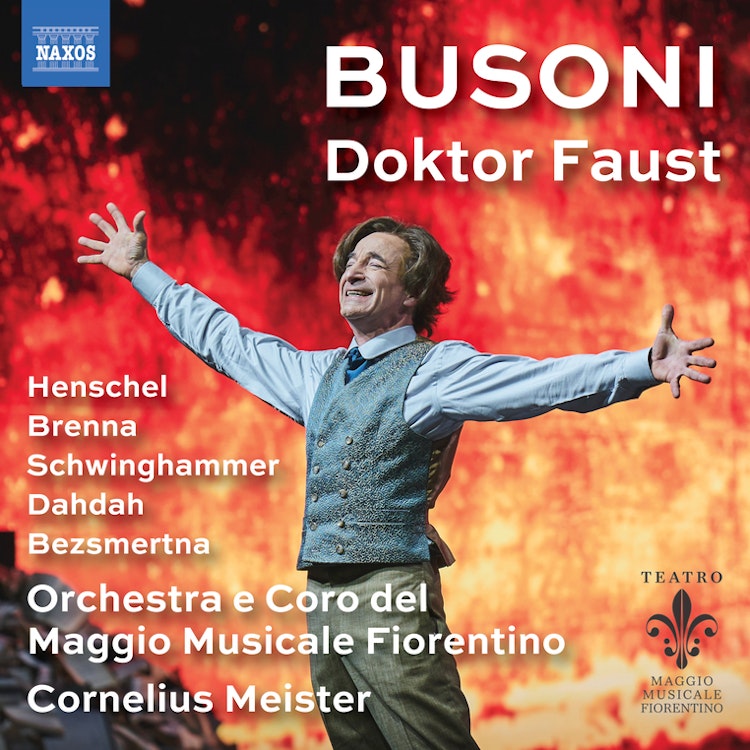
Busoni initially considered writing an Italian opera based on Dante's Divine Comedy or an opera on Leonardo da Vinci, whom he called the 'Italian Faust'.
Composer's Artistic Vision
Busoni considered Mozart's Magic Flute to be the 'opera par excellence' and an unsurpassed model for theatre as a spiritualized recreation and a game of musical styles.
Composer Biography
Ferruccio Busoni, the composer, was a 'boundary figure' divided between Italian and German identities, which strongly influenced his artistic choices.
Composition History
Instead of Goethe's famous work, Busoni drew inspiration for Doktor Faust from German puppet shows, the Faustschauspiele and Faustpuppenspiele, and Marlowe's The Tragical History of Doctor Faustus.
Compositional Technique
Busoni structured Doktor Faust in an open, discontinuous form 'in panels', with peculiar titles for its parts, such as Prelude I, Prelude II, and Intermezzo.
Composition History
Busoni's opera, Doktor Faust, was a complex, long, and tormented creative course that spanned over twelve years and was left unfinished at his death in 1924.
Composition History
Doktor Faust was completed after Busoni's death by his pupil Philipp Jarnach in 1925, and later by Anthony Beaumont in 1982.
You might also enjoy...
Thomas: Hamlet
Puccini:Turandot
Rossini: Guillaume Tell
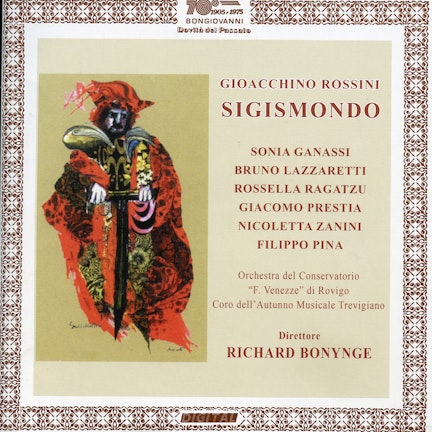
Rossini: Sigismondo
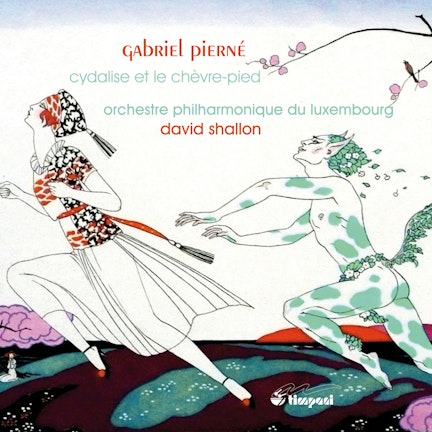
Pierne: Cydalise et le Chevre-Pied
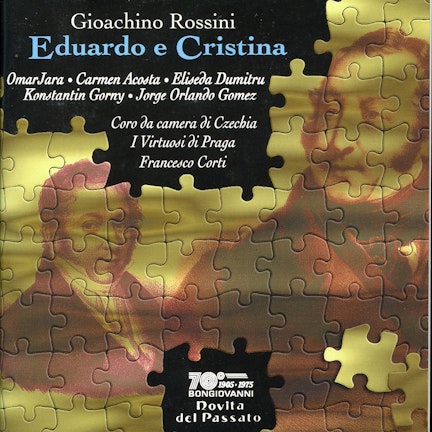
Rossini: Eduardo e Cristina
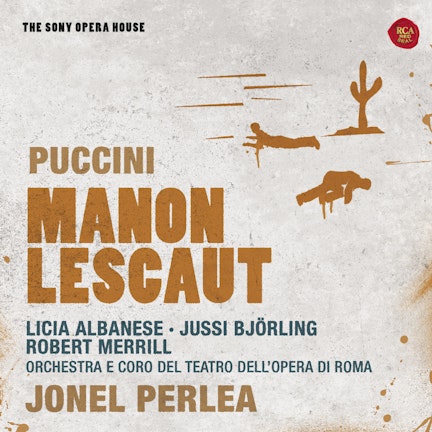
Puccini: Manon Lescaut - The Sony Opera House
Massenet: Thaïs
Antonín Dvorák: Rusalka (Opera) [Highlights] [Sung in German] [Mitzewa]