Despite living in post-Reformation Protestant England, William Byrd remained a staunch Catholic, writing and publishing Latin church music for the then-obsolete and illegal Roman liturgy.
Critical Reception
Much of William Byrd's sacred choral music, the core of his life's work, was neglected for three centuries after his death, with only a small proportion regularly performed.
Composition History
William Byrd's Latin church music, particularly his Gradualia, was likely intended to codify his achievement and preserve the musical styles and liturgy it adorned, rather than for immediate practical performance.
Recording & Production
The recording was produced by Jillian White and engineered by Campbell Hughes, taking place in the Great Hall of University College School, London, in April 1989.
Composer's Artistic Vision
William Byrd's aim was to write music 'framed to the life of the words', resulting in intensely expressive music within disciplined, classic structures.
Interpretation
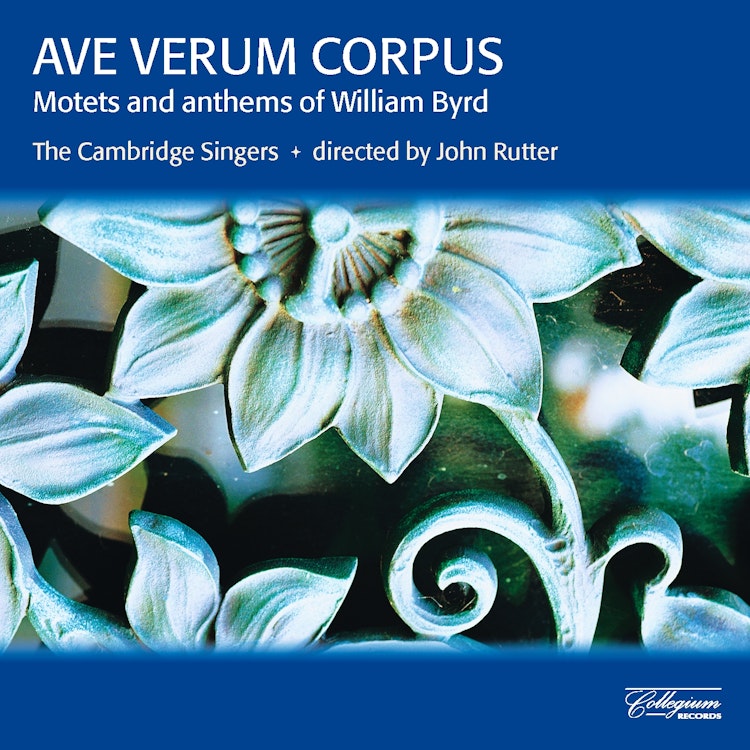
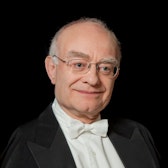
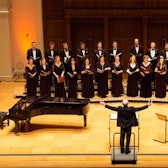
This recording by The Cambridge Singers, directed by John Rutter, features 28 voices and opts for a cappella performance, aiming for textural clarity in complex passages and increased vocal sonority in homophonic sections.
Composer Biography
William Byrd (1543-1623) is considered the greatest English composer of his era, a status that was largely undisputed during his lifetime and remains so today.
You might also enjoy...
Byrd - Motets & Masses
The Glory of Gibbons: Choral Music of Orlando Gibbons
Gibbons: Tudor Church Music
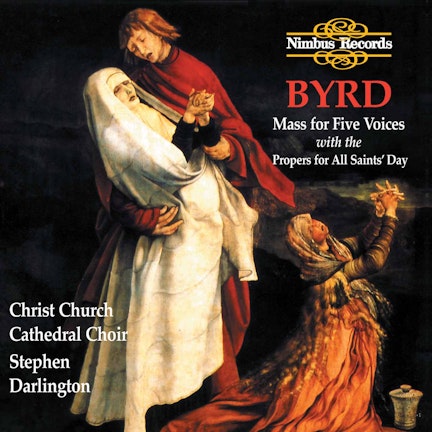
Byrd, W.: Mass A 5 / Motets
Weelkes: Ninth Service and Anthems
Weelkes, T.: Choral Music (Ninth Service, Evening Service for 5 Voices and Anthems)
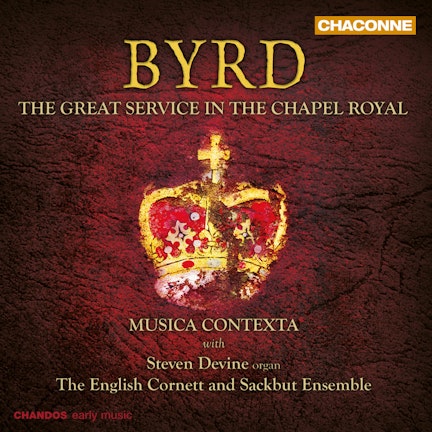
Byrd: The Great Service in the Chapel Royal
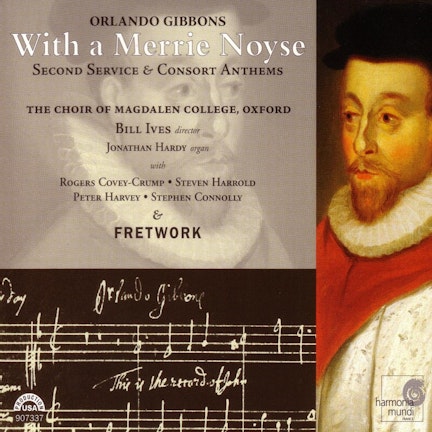
Orlando Gibbons: With a Merrie Noyse - Second Service & Consort Anthems
Tudor Church Music from Durham Cathedral
Byrd: Second Service & Consort Anthems
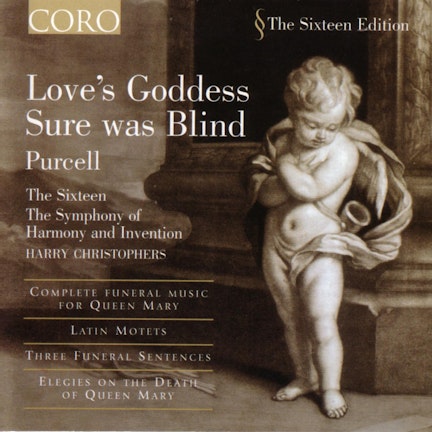
Love's Goddess Sure Was Blind
Parsons, R.: First Great Service / Responds for the Dead