The manuscript of My Ladye Nevells Booke passed through several notable hands, including Queen Elizabeth I and the renowned 18th-century music essayist Charles Burney, before being acquired by the British Library in 2002.
Compositional Technique
The 'Ut Re Mi Fa Sol La' piece by Byrd is based on the Guidonian hexachord, using ascending and descending forms of the notes derived from the 11th-century hymn to John the Baptist.
Composer Biography
William Byrd, who was called 'the ffather of Musik' at his death, lived during a period of significant political and religious turmoil in England, marked by the Reformation and changes in royal succession.
Composer's Artistic Vision
Byrd's personal and spiritual philosophy, influenced by his Catholic faith, is reflected in his publications, which sometimes emphasized the persecution of the chosen and celebrated martyred priests.
Compositional Technique
The battle piece by Byrd, the earliest known English example, presents a diorama of eleven tableaux, flanked by a march 'before the Battell' and a galliard 'for the victorie'.
Composition History
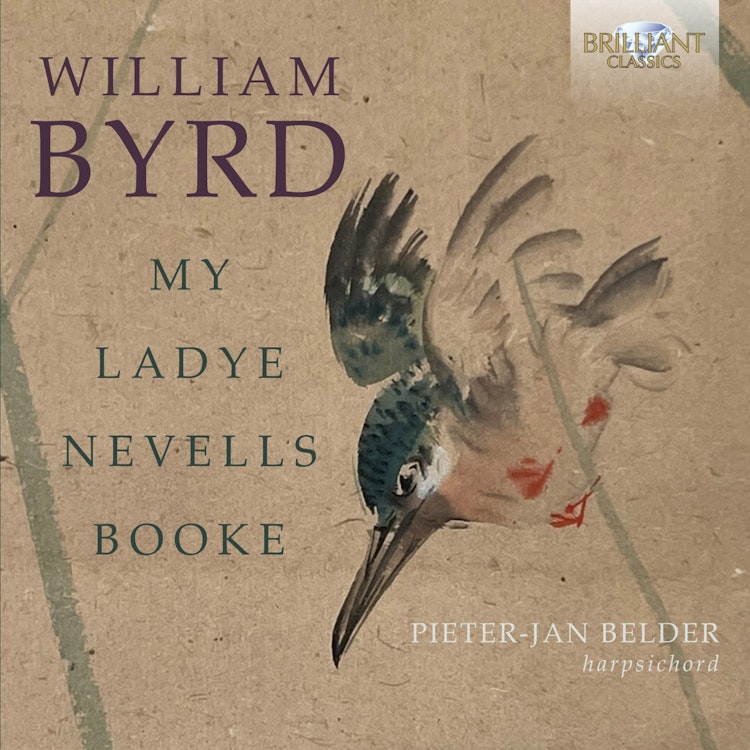
My Ladye Nevells Booke is the most important known source of William Byrd's keyboard music, containing only his compositions.
Album & Artwork
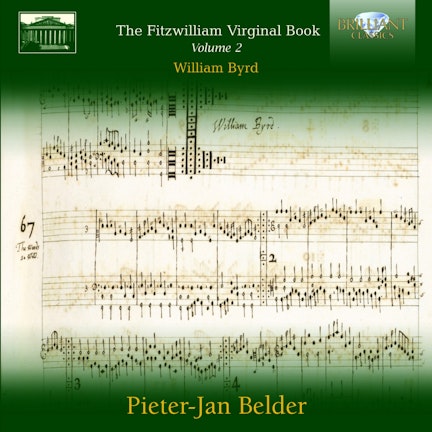
My Ladye Nevells Booke is a sumptuously bound oblong manuscript from the 16th century, featuring diamond-shaped noteheads and meticulous calligraphy.
You might also enjoy...
William Byrd: Keyboard Works
Purcell: Keyboard Suites & Grounds
Byrd: Complete Harpsichord and Organ Music
Byrd, W.: Keyboard Music
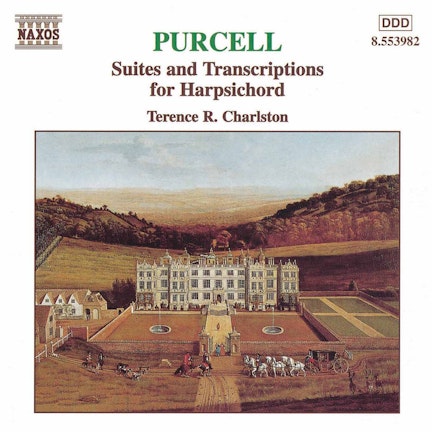
Purcell: Suites and Transcriptions for Harpsichord