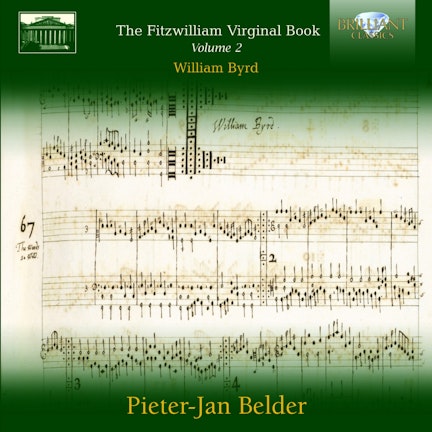
William Byrd desired that performers and listeners be as careful in expressing and hearing his music as he was in composing and correcting it, believing that proper expression is the 'life of our labours'.
Composer Biography
William Byrd, considered the most important composer of England's cultural heyday under Elizabeth I, was known as the 'Father of English Musicke' during his lifetime.
Composer Biography
William Byrd's career began as organist and choirmaster at Lincoln Cathedral for nearly ten years before he became organist of the Chapel Royal in London.
Performer Biography
Friederike Chylek, the harpsichordist on this album, has focused on English keyboard music of the 16th and 17th centuries since 2014, releasing two solo recordings dedicated to this repertoire.
Historical Context
Despite his success, William Byrd faced difficulties as a Roman Catholic during a time when Anglicanism was the English state church, leading to investigations and his family being declared 'outlaws'.
Compositional Technique
William Byrd played a major role in establishing instrumental and keyboard music as independent forms, creating comparably virtuosic and complex music for keyboard instruments.
Composer's Artistic Vision
William Byrd was a highly pious man who viewed God as the source of his musical creativity, as expressed in his 1588 work, Psalmes, Sonets & songs of sadnes and pitie.