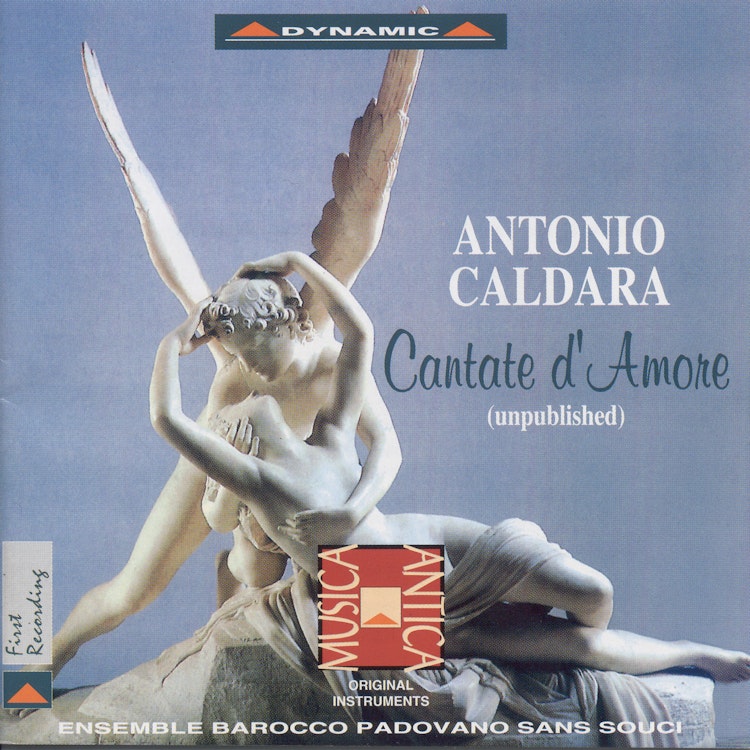
Caldara: Costanza Vince Il Rigore (La) / La Lode Premiata
7/1/2000, 31 Tracks, 1:04:27
Featuring
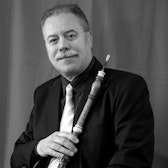
Giuseppe Nalin
Sylvia Pozzer
Stefano Albarello
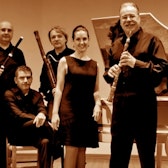
Ensemble Barocco Sans Souci
Antonio Caldara
Did you know?
1/7
Performer Biography
The Ensemble Barocco Padovano Sans Souci, founded in 1986 by Giuseppe Nalin and Aldo Fiorentin, is known for its use of historical instruments and its focus on music from the mid-17th to late 18th centuries.
Composition History
Caldara's appointment as maestro di cappella to Marchese Francesco Maria Ruspoli in Rome in 1709 led to an extraordinary outpouring of compositions, particularly secular cantatas.
Instruments
While many of Caldara's cantatas were for solo voice with continuo, some included first and second violins, and occasionally, as in the cantatas on this album, one or two oboes or even a pair of corni da caccia (hunting horns) were added.
Composer Biography
Antonio Caldara, born in Venice around 1670, began his career as a freelance instrumentalist and composer, working as a cellist and singer at the Basilica of St. Mark's.
Composition History
The two cantatas on this album, 'La costanza vince il rigore' and 'La lode premiata', can be dated to early summer 1710, based on surviving payment records to Ruspoli's music copyists.
Compositional Technique
Caldara's cantatas for Ruspoli were diverse in length, scoring, and musical style, ranging from simple aria-recitative-aria structures to extensive sequences, sometimes including an opening sinfonia.
Historical Context
During Caldara's time in Rome, Marchese Ruspoli hosted Sunday morning 'conversazioni'—brilliant concerts attended by nobility and literati—which required new compositions, making the cantata genre especially cherished.
You might also enjoy...
Stradella: Christmas Cantatas
Dietrich Buxtehude: Membra Jesu Nostri
Georg Philipp Telemann: Die Tageszeiten, Nun danket alle Gott
J.S. Bach: Ruhm und Glück (Fame & Happiness)
Telemann: Die Tageszeiten - Nun danket alle Gott
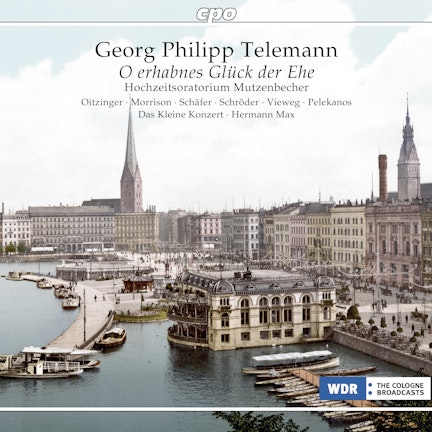
O erhabnes Glück der Ehe
Telemann: Die Tageszeiten / Daran ist erschienen die Liebe Gottes
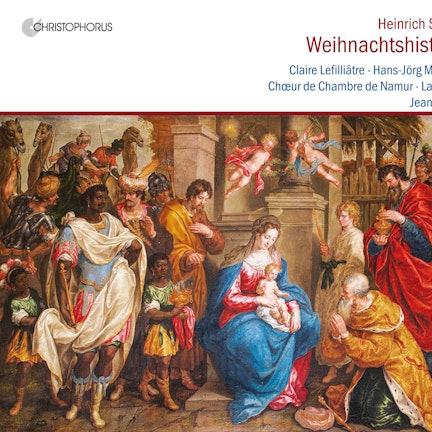
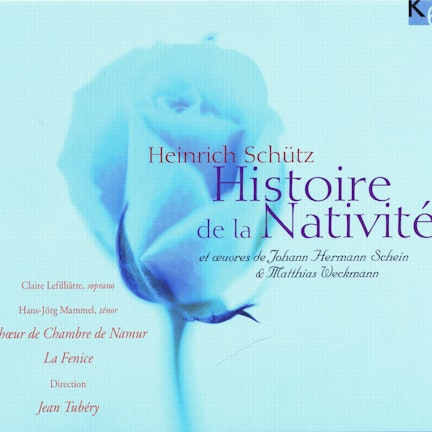
Schütz: Weihnachtshistorie, SWV 435
Schütz: Weihnachtshistorie, SWV 435
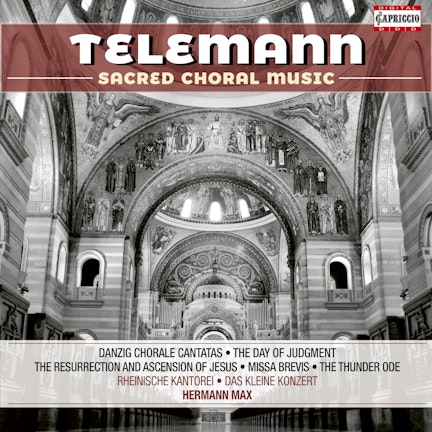
Telemann: Sacred Choral Music
Bach: Cantatas 35 & 169 "Geist und Seele" & "Gott soll allein"