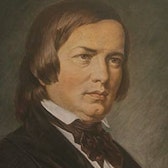
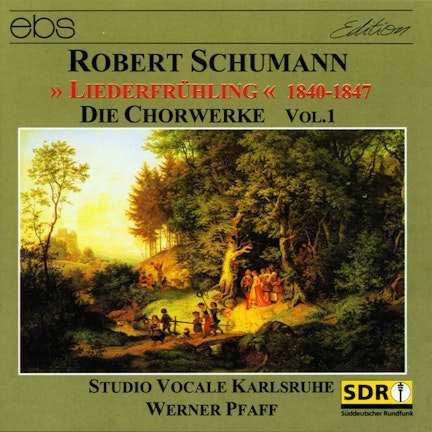
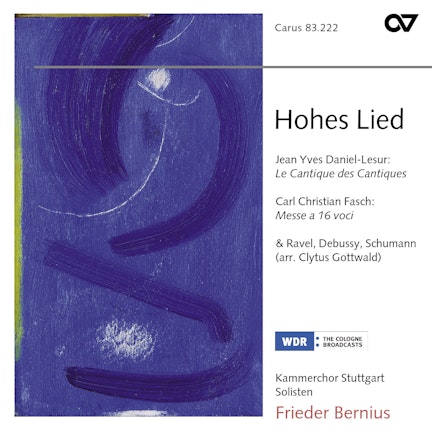
Robert Schumann, a composer featured on this album, conducted a newly-established choral society in Dresden, for which he likely composed his Op. 141 pieces.
Historical Context
While unaccompanied choral music was recognized for its beauty, very little was written for choir alone in the 17th and 18th centuries, as voices were almost always combined with instruments.
Historical Context
The Romantic movement in the early 19th century spurred a revival of interest in a cappella singing, paralleling the later Pre-Raphaelite movement in visual arts.
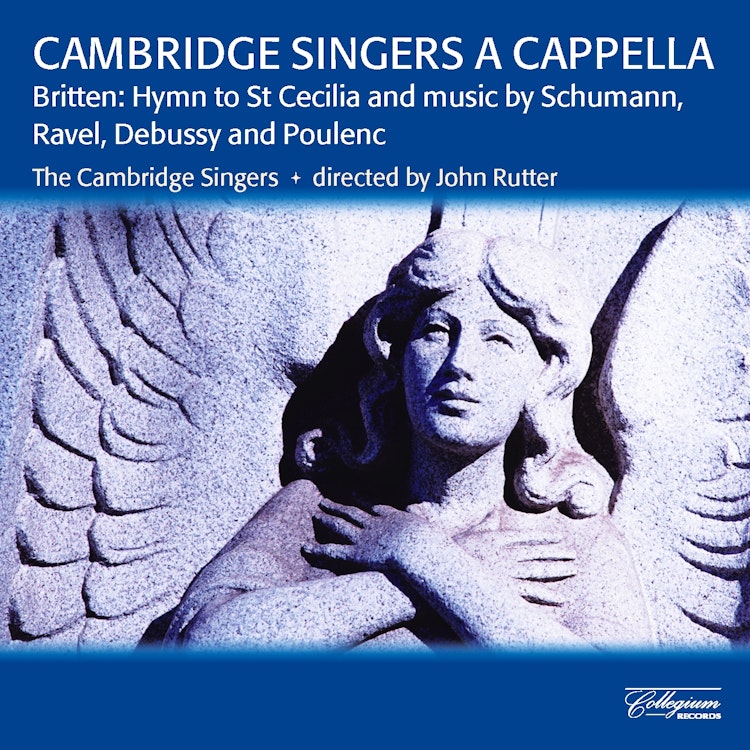
Album & Artwork
The term "a cappella" literally translates from Italian as "in the style of the chapel," likely referring to the Sistine Chapel in Rome.
Composer Biography
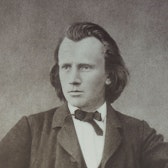
Johannes Brahms, another composer on this album, founded a female-voice choir in Hamburg and regularly conducted and composed a cappella music for it.
Composer's Artistic Vision
Benjamin Britten, a composer on this album, chose unaccompanied choir for his Hymn to St. Cecilia to reflect the pure, distilled nature of the medium and its ability to convey profound musical inspiration.
Composer's Artistic Vision
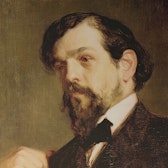
Debussy's Trois chansons de Charles d'Orléans and Ravel's Trois Chansons both deliberately evoke the style of the Renaissance chanson, showing a backward-looking tendency.
You might also enjoy...
Sacred and Profane: English choral music from Britten, Sandström, Elgar
Marjatta, the Lowly Maiden
Bortniansky: Sacred Concertos, Vol. 1
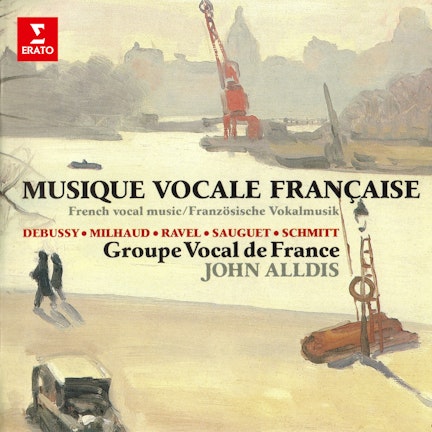
Musique vocale française: Ravel, Debussy, Sauguet, Schmitt & Milhaud
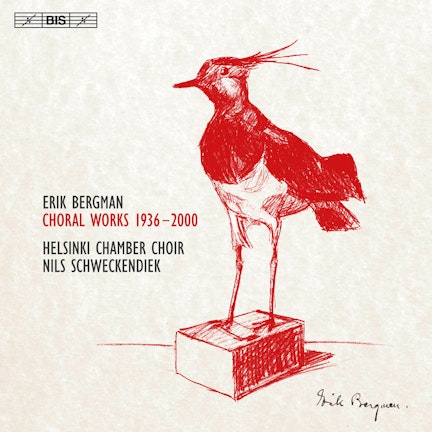
Erik Bergman: Choral Works (1936-2000)
Sibelius, J.: Choral Music (Mixed Chorus A Cappella) (Complete)
Farkas: Choral Music
Robert Schumann: Choral Works Vol. 1
Sibelius: Works for Mixed Choir A Cappella
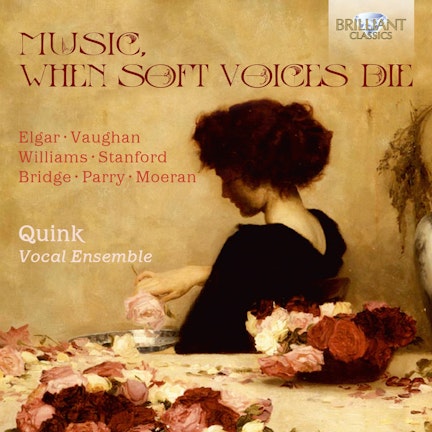
Music, When Soft Voices Die
For Evening is Coming: Songs of the German Romanticism
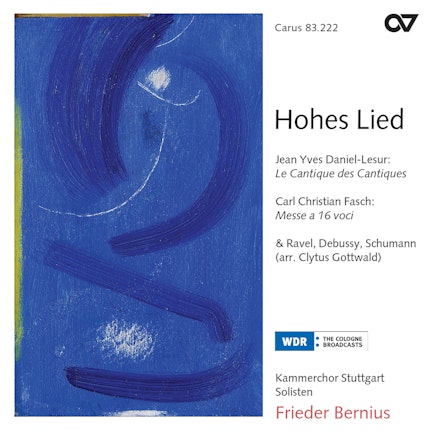
Hohes Lied
Choral Concert: Stuttgart Chamber Choir - Daniel-Lesur, J.Y. / Ravel, M. / Debussy, C. / Fasch, C.F.C. / Schumann, R.