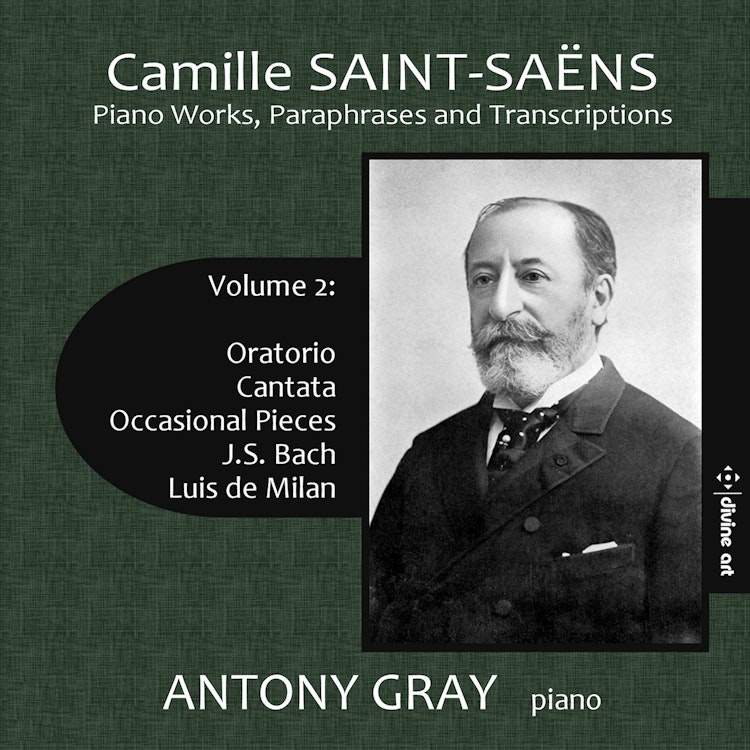
Saint-Saëns had wide-ranging musical interests, as shown by his transcriptions of 16th-century lute pieces by Luis Milan and his involvement in editing unfashionable early French music.
Composition History
Saint-Saëns' 'douze transcriptions' of works by J.S. Bach are divided into two sets, with the first set dedicated to his students, including Gabriel Fauré, and the second to distinguished pianist Wilhelmine Szarvady.
Compositional Technique
Saint-Saëns' transcription of Berlioz's 'Chant de la fête de Pâques' is so skillful that it creates the impression of being an original piano work, despite being faithful to the original choral and orchestral score.
Composition History
A large portion of Saint-Saëns' output consists of arrangements, transcriptions, and concert paraphrases of works by other composers, some possibly made to raise the profiles of composers he admired.
Critical Reception
After his death, Saint-Saëns was seen as anachronistic in musical circles, leading to a neglect of many of his works, with even his Organ Symphony receiving a cold review in 1935.
Composer Biography
Camille Saint-Saëns (1835-1921) was a "Renaissance Man" who excelled as a composer, pianist, organist, and conductor, and also wrote poetry, plays, and philosophy, and took an active interest in various sciences.
Performer Biography
Antony Gray, the pianist on this recording, is based in London and has a career encompassing solo and chamber music performances, as well as regular recordings for CD and radio.
You might also enjoy...
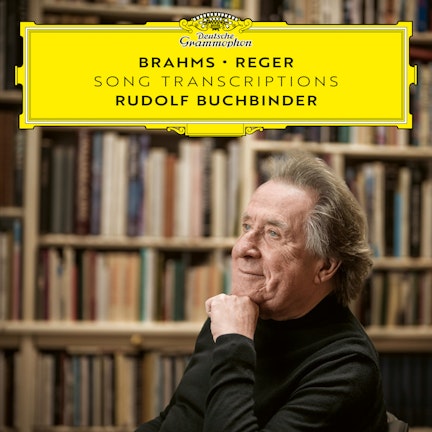
Brahms – Reger: Song Transcriptions
The Welte Mignon Mystery, Vol. 2: Felix Mottl
Femmes de légende
The Scriabin Dynasty
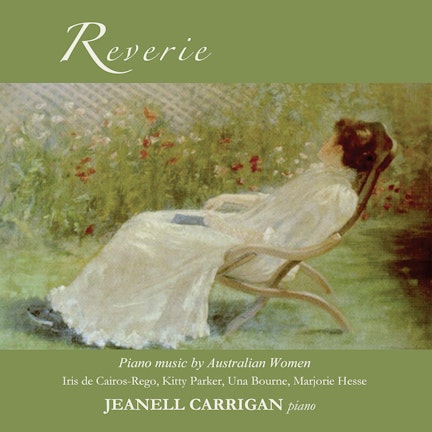
Reverie
Togni: Complete Piano Music, Vol. 5
Dvořák: Greatest Melodies (Arr. P. Breiner for Piano)
Falla: Complete Solo Piano Music
Schumann: Fantasy in C Major / Liszt: Beethoven and Schumann Transcriptions