This recording uses a pitch of A=392, which was common at the time and is suitable for the work's grave character and the natural restitution of vocal ranges, particularly for the countertenor voice.
Composer Biography
André Campra, the composer, was born in 1660 to a musician father, who was a highly esteemed violinist.
Composition History
Campra's Messe de Requiem holds a unique place in his religious works, which primarily consist of Petit and Grand Motets, and its exact dating is uncertain due to a lack of documentation.
Composition History
The Messe de Requiem was likely composed between 1694 and 1700, during Campra's time at Notre-Dame in Paris.
Composer Biography
Campra, a man skilled in career advancement, used leaves of absence from his church positions to make contacts in Paris, leading to his appointment at Notre-Dame in 1694.
Compositional Technique
The vocal distribution of Campra's Messe de Requiem, primarily male voices and a male voice trio, suggests it was not commissioned for Versailles, where celebrated female opera singers were admitted.
You might also enjoy...
Campra: Messe de Requiem
Johann Ernst Eberlin: Salzburger Kirchenmusik
Eberlin: Mass No. 34 / Requiem No. 8
Charpentier: Te Deum - In Nativitatem Domini Canticum
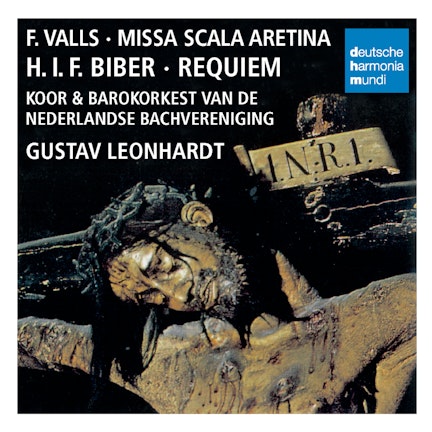
Valls: Missa Scala Aretina/Biber: Requiem in F minor
Nikolaus Harnoncourt Conducts Sacred Masterworks
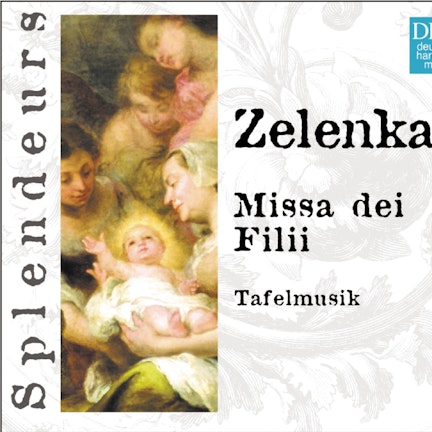
DHM Splendeurs: Zelenka: Missa Dei Filii
Bach: Mass in B Minor, BWV 232
Cimarosa: Requiem
Bach: Mass in B minor
Muffat: Missa in labore requies
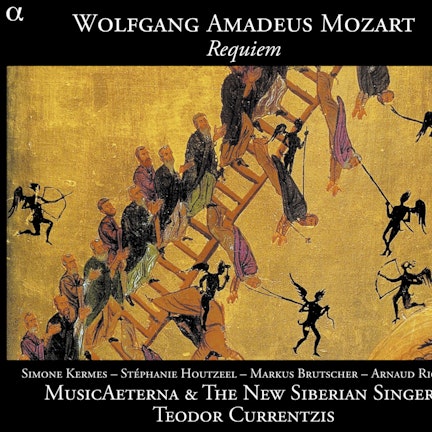
Mozart: Requiem
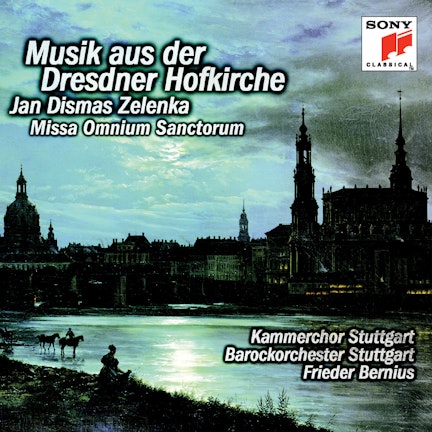
Zelenka: Missa Omnium Sanctorum (Music from the Dresden Hofkirche)