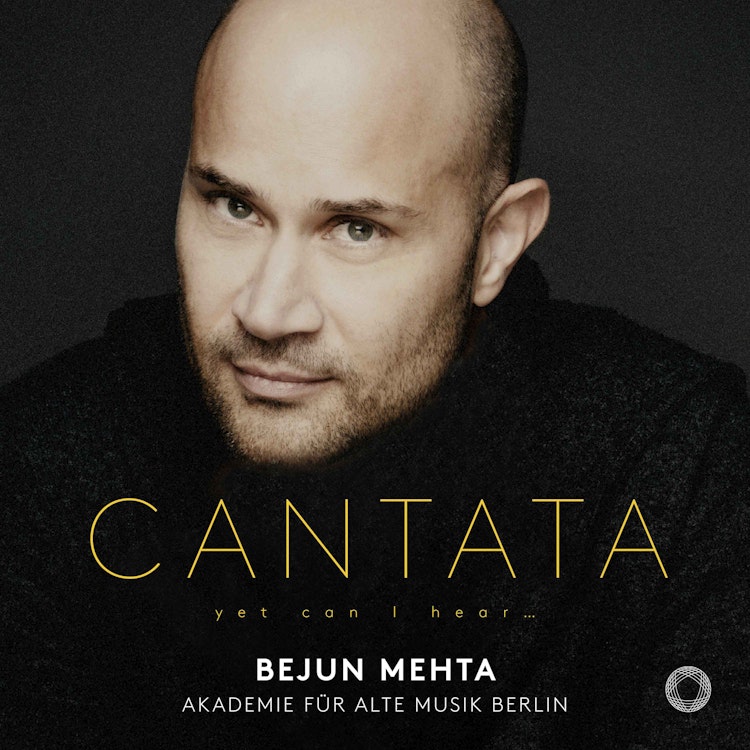
The album focuses on the solo cantata, celebrating its flexibility through secular and sacred subjects, varied instrumental groups, and works from Italian, German, and English traditions.
Historical Context
The cantata flourished from the late 17th to mid-18th centuries, becoming the most common form of vocal chamber music, often consisting of alternating recitative and aria sections.
Album & Artwork
The album's program was inspired by the aria 'Yet Can I Hear That Dulcet Lay' from Handel's The Choice of Hercules, which countertenor Bejun Mehta discovered in 2015.
Performer Biography
Bejun Mehta, one of the world's most acclaimed countertenors, is a regular guest at major opera houses and concert venues globally and has received numerous awards, including a Grammy.
Performer Biography
The Akademie für Alte Musik Berlin (Akamus), founded in 1982, is a leading chamber orchestra on period instruments, known for its extensive touring and numerous award-winning recordings.
Interpretation
Countertenor Bejun Mehta considers this his most personal recording, finding that solo cantatas allow the singer a highly specific conversation with themselves, grappling with the subject at hand.
Historical Context
The term 'cantata' originally distinguished a work with singing from a 'sonata,' which was purely instrumental, and could encompass many forms, including solo cantatas.