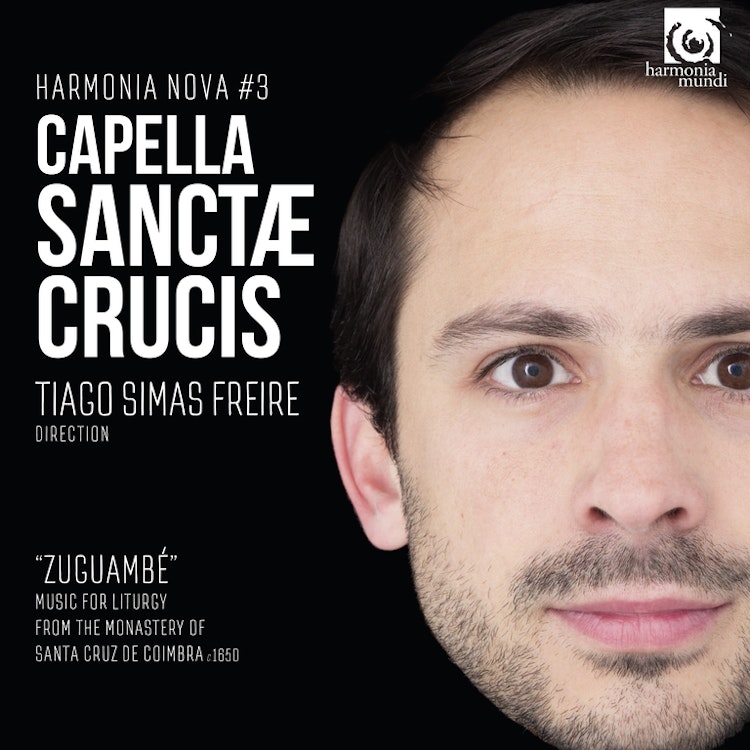
Capella Sanctæ Crucis: Zuguambé - harmonia nova #3
9/22/2017, 18 Tracks, 57:29
Featuring
Tiago Simas Freire
Kazuya Gunji
Capella Sanctæ Crucis
Anonymous
Agostinho da Cruz
Diego de Alvarado
Dom Jorge
Pedro de Cristo
Did you know?
1/7
Album & Artwork
The album is part of the harmonia#nova series, which supports young artists by offering them technical, editorial, and promotional resources, and is a collaboration with partners like La Courroie, a former ramie mill now dedicated to music.
Performer Biography
Tiago Simas Freire, the director of Capella Sanctæ Crucis, holds three Master's degrees in architecture, recorder, and cornett, and is pursuing a doctorate on 17th-century Portuguese musical sources.
Historical Context
The music on this album comes from the Holy Cross Monastery of Coimbra, which was a significant political and cultural center in Portugal as early as the 12th century.
Recording & Production
This recording is dedicated solely to previously unpublished works found in the library of the University of Coimbra in Portugal.
Interpretation
The album's program is structured as an imaginary church service, combining Latin, vernacular, and instrumental pieces, framed by an invocation and a benediction.
Cultural Impact
The term 'língua de Preto' (Black speech), featured in some pieces, is a written representation of the Afro-Portuguese dialect popularized in 16th-century stage plays and 17th-century 'villancico' lyrics.
Compositional Technique
The music from the Coimbra manuscripts, known as 'cartapácios', features great formal freedom and a variety of vocal textures, from unaccompanied monody to polychoral writing.
You might also enjoy...
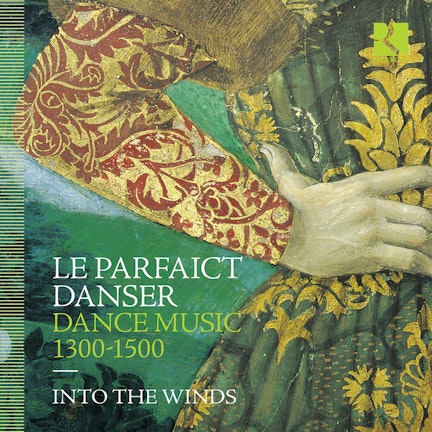
Le parfaict danser. Dance Music 1300-1500
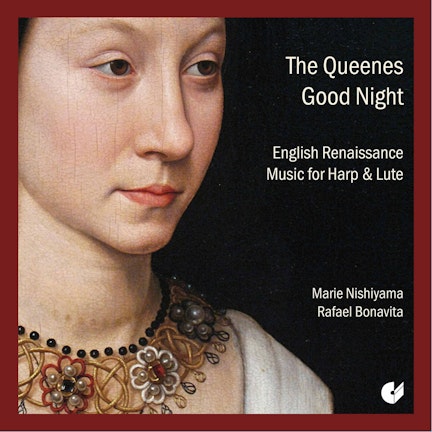
The Queenes Good Night: English Renaissance Music for Harp & Lute
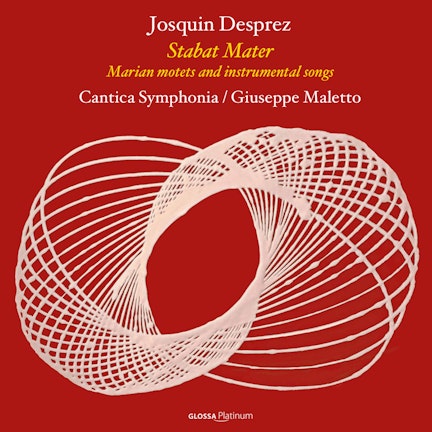
Stabat Mater
My Days
Monteverdi: Messa a quattro voci et salmi of 1650 Volume II
Vinders: Missa Myns liefkens bruyn ooghen & Missa Fors seulement
Adriaan Smout: Thysius Lute Book
Ward: Madrigals & Fantasias
Christopher Tye: Lawdes Deo (Consort Music)
Thomas Tomkins: Above the Starrs
Chansons nouvelles. Parisian Chansons and Dances, 1530-1550