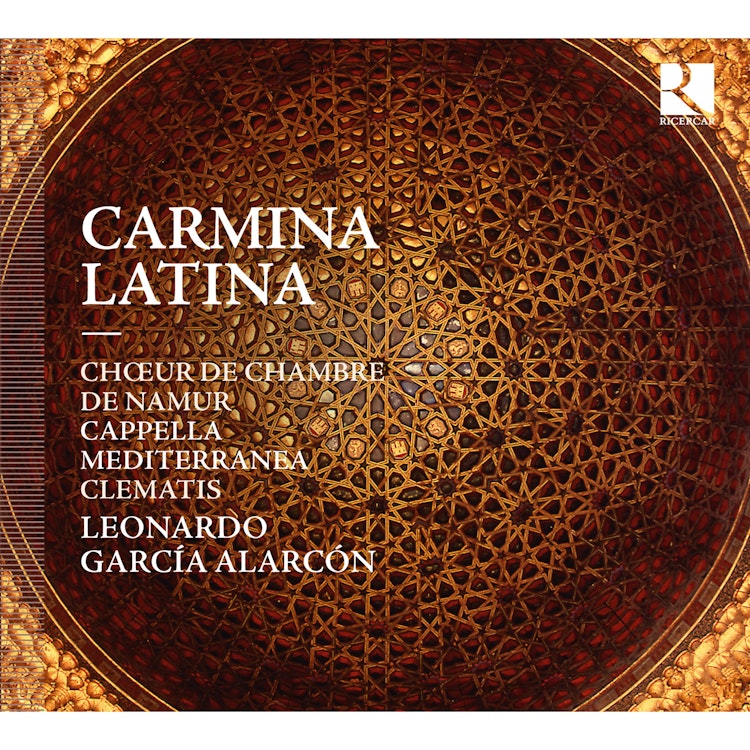
Many Spanish composers, including Cristóbal de Morales and Tomás Luis de Victoria, spent significant parts of their careers in Rome, despite not serving the imperial chapel in Madrid.
Historical Context
The year 1492 marked the end of the Reconquista, the exile of Jews from the Iberian peninsula, and Christopher Columbus's arrival in the New World, initiating Spain's Golden Age.
Cultural Impact
The Spanish and Portuguese conquest of the New World led to the establishment of churches and monasteries, creating a new cultural mix where European musical practices influenced native traditions.
Composition History
Hanacpachap cussicuinin is the first polyphonic sacred composition written in Quechua, a local language, and published in Latin America, found in a 1631 collection by Franciscan missionary Juan Perez Bocanegra.
Historical Context
From the 16th century, musical establishments in Spanish cities adopted the model of Josquin Desprez, a Flemish composer, leading to Flemish and Italian musicians dominating Spain's musical scene.
Cultural Impact
Despite the Reconquista and the Alhambra Decree, Jewish and Moorish cultural influences, such as Sephardic songs and instruments like the lute, continued to shape Spanish life and music for decades.
Compositional Technique
The composers on this album, active in the 17th and early 18th centuries, continued to use Renaissance polyphony, even as Europe embraced the new Baroque style.
You might also enjoy...
Joculatores Upsalienses: Four Seasons (The)
Johnny, Cock Thy Beaver - Popular Music-Making in 17th Century England
Sacred Duets
Sacred Duets
Al Ayre Espanol Edition
¡Ay Amor! Spanish 17th Century Songs & Theatre Music
Sances: Missa Solicita; Sacred Motets
Rubens and the Music of His Time
Joculatores Upsalienses: Woods, Women and Wine
Cazzati: Amor Profano, Amor Sacro, Secular and Sacred Vocal Music
Bien que l'amour…airs sérieux et à boire
An Evening At The Medici's
C.P.E. Bach: Hamburger Quartalsmusiken
Bach: Magnificat in D Major & Unser Mund set voll Lachens