Charles Quef's career was interrupted by his mobilization during World War I, where he served in the auxiliary service due to diabetes.
Composer Biography
Towards the end of his life, Charles Quef personally chose Olivier Messiaen, then a brilliant student recommended by Marcel Dupré, to be his successor at La Trinité.
Instruments
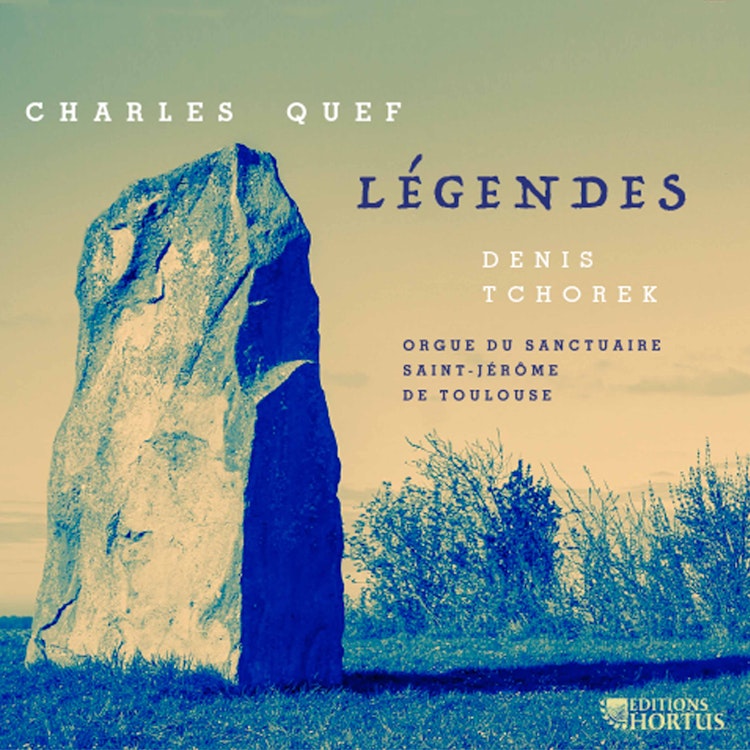
The album was recorded on the Maurice Puget organ of the Saint-Jérôme sanctuary in Toulouse, an instrument known for its exceptional voicing and ergonomic console, making it suitable for both salon and church repertoire.
Composer Biography
Charles Quef, the composer, was a highly esteemed pupil of organ masters Charles-Marie Widor and Alexandre Guilmant at the Paris Conservatory, earning a first prize in organ in 1898.
Composer's Artistic Vision
Charles Quef's organ works are deeply rooted in French Christian and folkloric culture, often drawing on popular themes, including regional and religious folklore.
Compositional Technique
Quef's compositions, such as the Two Rhapsodies, incorporate Breton folk melodies like "Erzouben d'er lèch" and "Ar Baradoz," integrating them into his personal musical language.
Composer Biography
Charles Quef succeeded his teacher Alexandre Guilmant as the titular organist of the main organ at La Trinité church in Paris in 1901, a position he held for 30 years until his death.
You might also enjoy...
Reger: Nun freut euch, liebe Christen - Weihnachtliche Orgelmusik